Face masks could ease your allergy symptoms this spring. Here’s how
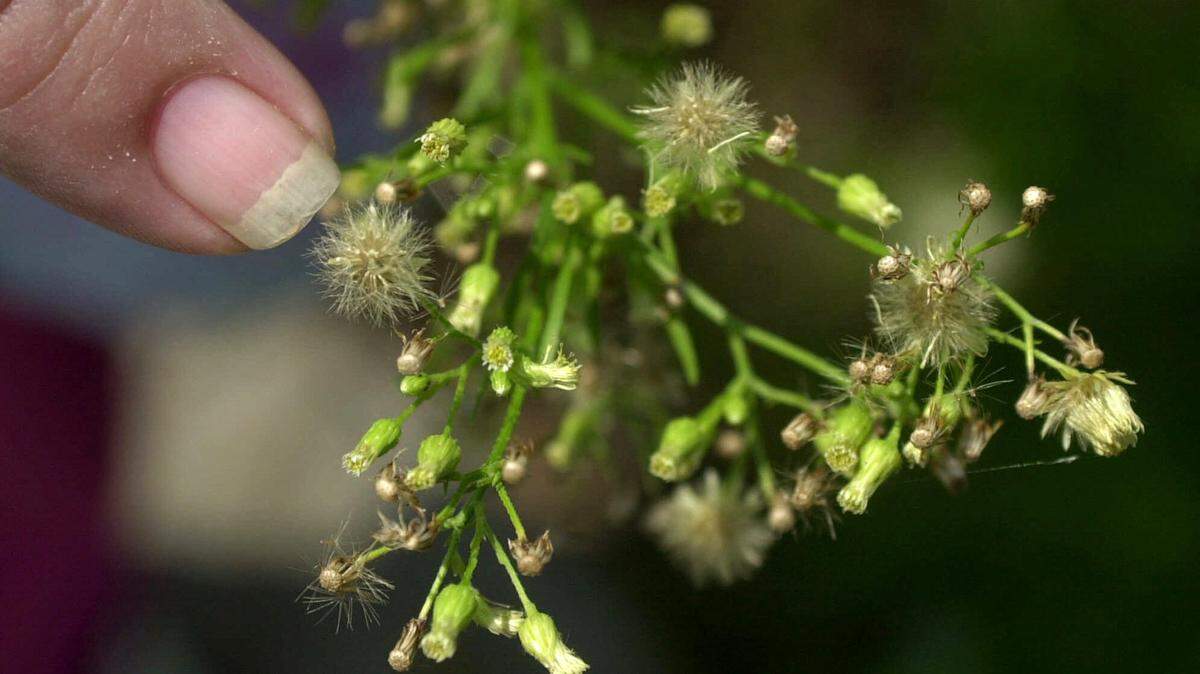
Face masks that help protect against COVID-19 also have the potential to ease spring allergy symptoms.
That’s because masks filter out pollen and other particles that you might otherwise breathe in, according to health experts.
Still, the CDC says people with seasonal allergies shouldn’t count on face coverings as the only way to get relief.
So if you’re typically sniffling and sneezing around this time of year, here’s what you should know.
How face masks offer some protection
During the coronavirus pandemic, health officials have urged people to wear face masks in public to help slow the transmission of the virus. That’s because the COVID-19 virus is believed to mainly spread when a person with an infection releases droplets while speaking, breathing, coughing or sneezing, according to the CDC.
Masks have an added benefit for people with allergic rhinitis, which happens when a person develops allergy symptoms after breathing in pollen or other particles, according to researchers.
A team of Israeli scientists, led by Dr. Amiel Dror from Bar-Ilan University Faculty of Medicine, studied data from 1,824 nurses and found a “significant reduction in self-reported” symptoms among those with allergies who wore masks during the pandemic, according to results posted on the National Institutes of Health website.
“Masks that have filtration levels that can catch the small particles like pollen can help prevent against the inhalation of pollen,” Dr. Elisabeth Ference, an ear, nose, and throat doctor at Keck Medicine of the University of Southern California, told Healthline. “You just have to make sure that your mask is clean.”
Cloth masks can hold on to pollen and other particles, so it’s best to wash them each day or after they get dirty with use, according to the CDC.
But health officials urge caution, as face coverings don’t completely prevent seasonal allergies. Since some particles can still get through, the CDC recommends not relying on masks as the only form of protection.
“Allegra, Claritin or Zyrtec or the generics of those, and even a nasal spray — like Fluticasone, Flonase Fluticasone those types of things can really help allergy symptoms a lot,” said Dr. Jonathan Matz, an asthma and allergy specialist affiliated with LifeBridge Health, according to WBAL-TV.
To get relief, health officials suggest avoiding pollen or taking antihistamines, nasal sprays or decongestants. Symptoms of seasonal allergies include itchiness, runny nose, watery eyes and sneezing.
This story was originally published March 12, 2021 at 2:35 PM with the headline "Face masks could ease your allergy symptoms this spring. Here’s how."