
Popular national park shuts down busy road to tourists so bears can snack on berries
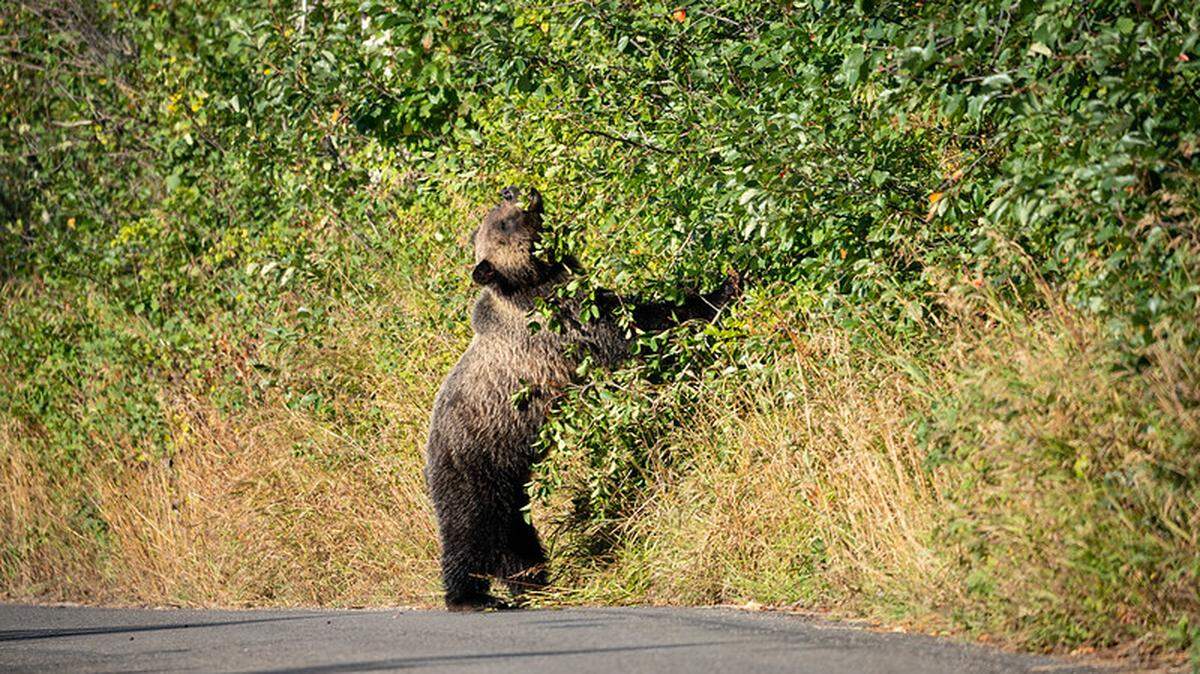
Bears at Grand Teton National Park found a great place to have a feast.
And park rangers shut down a popular entry way into the Wyoming park Thursday so the bears can fill up on berries.
Moose-Wilson Road stretches 7 miles throughout Grand Teton National Park. It’s a scenic drive with places to pull off for photo opportunities and wildlife viewing, but it’s also one of the roads that leads into the park. The road is so narrow, RVs and trailers aren’t allowed on it.
A group of black bears and grizzlies found ripened berries on the side of the busy road, park rangers said. The bears started hanging out on the side of the road next to the berries, sparking concerns for the safety of tourists.
Park rangers decided to shut the road down for now to all cars, motorcycles, hikers and bikers.
“The road is closed for human safety and the protection of the bears,” park rangers said in a news release. “Because of its narrow surface lined with dense vegetation, hillsides, and wetlands, the Moose-Wilson Road does not allow for a safe distance between people and bears.”
The road could stay closed through the weekend or even longer if the bears continue to eat the berries.
Grand Teton is full of trees and shrubs that produce berries, such as huckleberries and wild raspberries, according to the park’s website.
During the fall, bears eat food “nearly nonstop,” according to the National Park Service. The process is called hyperphagia.
Bears get more active during that time because they’re constantly on the hunt for food, the National Park Service said. Bears can spend up to 20 hours each day looking for food, Colorado wildlife officials said.
Some bears can gain more than 3 pounds a day before hibernating, Yellowstone National Park said. They also can eat 20,000 calories a day, wildlife officials said.
“During hyperphagia, bears are very active and many visitors have a chance to see them in action,” park rangers said. “But do not feed the bears! Bears that eat human food can lose their preference for natural food sources and their fear of humans.”
Bears look everywhere for food during hyperphagia. They can dig through trash cans, eat off of bird feeders and break into homes or cars to find a meal, according to Colorado wildlife officials.
Bears’ noses are “100 times more sensitive” than humans, and they can smell food up to five miles away, Colorado Parks and Wildlife said on its website. They can also seek out trash that smells like food or scented products.
This story was originally published August 26, 2021 at 1:11 PM with the headline "Popular national park shuts down busy road to tourists so bears can snack on berries."