
Mutilated 12-foot shark named ‘The Rock’ proves species has amazing healing abilities
Great white sharks are notorious for sporting savage wounds, leaving scientists to puzzle over what is crazy enough to attack a shark.
But even more mysterious is the species’ stunning healing ability — something that makes sharks seem almost indestructible.
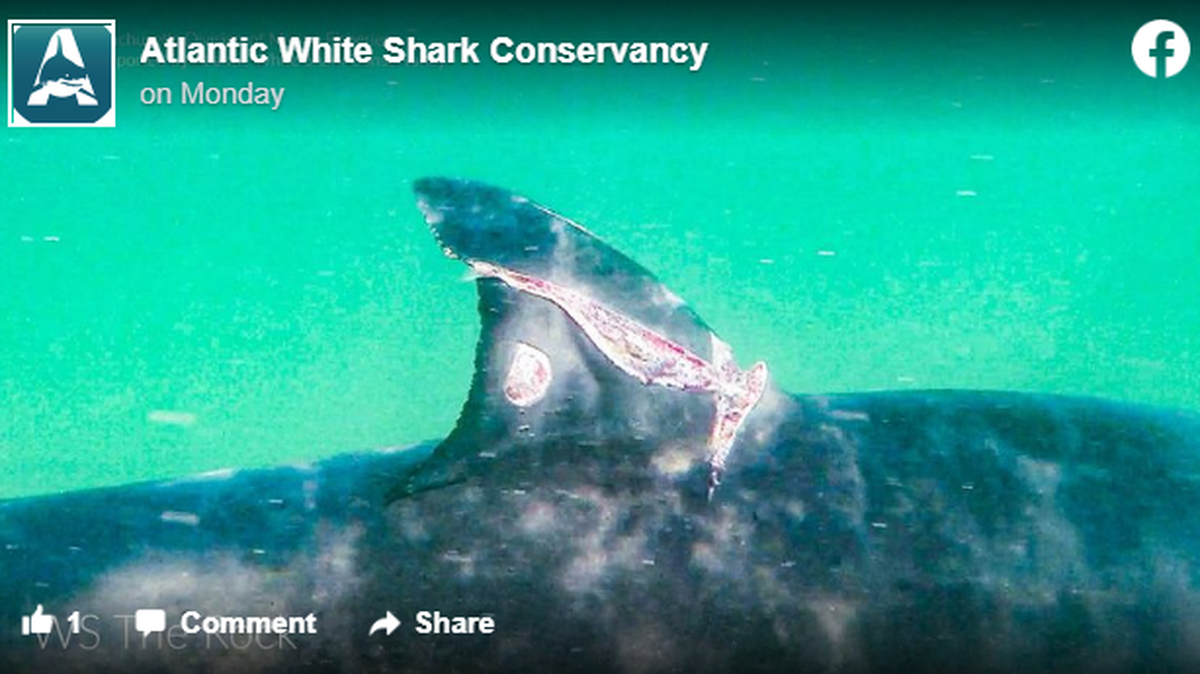
An example came to light this week when the nonprofit Atlantic White Shark Conservancy reported a 12-foot shark had overcome the near amputation of its dorsal fin.
The shark — fittingly named after Dwayne “The Rock” Johnson — was photographed in 2017 with deep gashes to its fin, almost as if someone had attacked the predator with a box cutter.
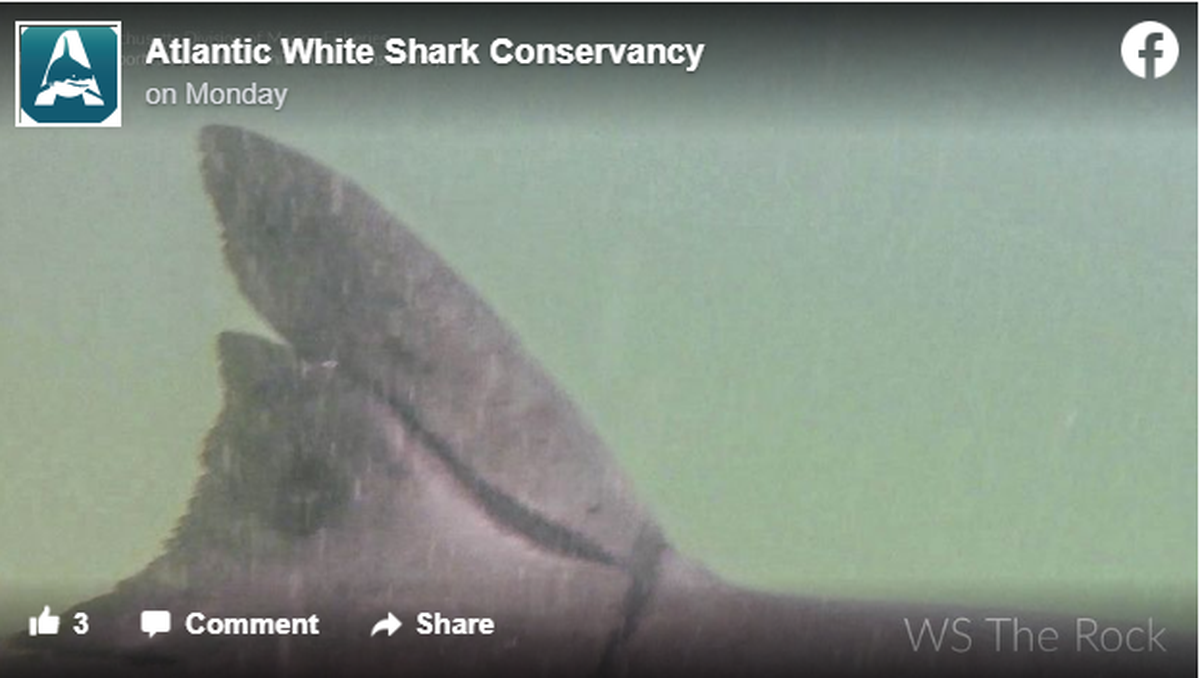
Fast-forward to 2022 and those once wide wounds have now transformed into fading cracks.
“We think it was the result of a boat (propeller) strike,” according to Cynthia Wigren, CEO and co-founder of the conservancy.
“There’s still evidence of the injury but it has continued to heal, so the name has proven very fitting. He’s one tough shark!”
The conservancy called it an example of “how resilient sharks are.”
It marks a rare case where researchers have been able to document the species’ healing abilities from the start.
The large shark got its flashy name when first encountered off Cape Cod in 2015 by shark biologist John Chisholm of MA Sharks.
White sharks are known to migrate up and down the East Coast, and “The Rock” returned to Cape Cod in 2016, 2017, 2018 and 2021, officials said.
Chisholm noted in a May 2 tweet that The Rock “likes to lay the smack down on the grey seals off Cape Cod.”
White sharks are apex predators in the Northwest Atlantic, with a 70-year lifespan and an ability to reach 21-feet and 4,500 pounds, according to NOAA Fisheries.
This story was originally published May 5, 2022 at 7:26 AM with the headline "Mutilated 12-foot shark named ‘The Rock’ proves species has amazing healing abilities."