This breakthrough drug may treat cancerous brain tumors, California researchers say
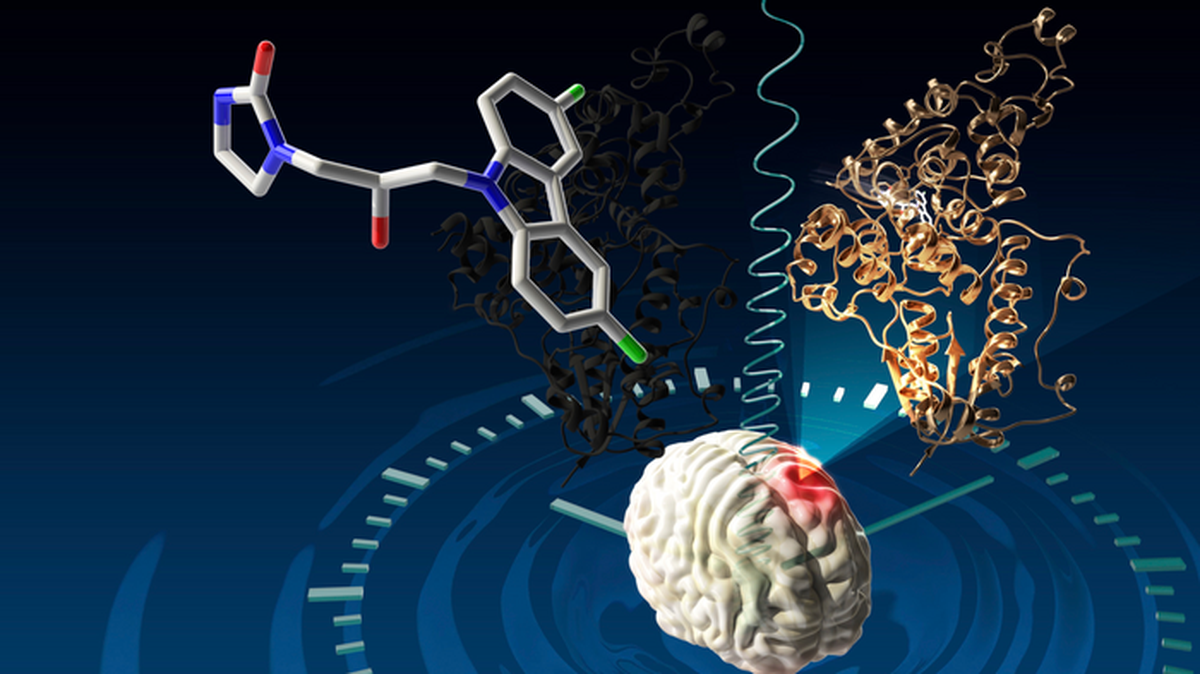
A “small molecule drug” that may be effective in treating cancerous brain tumors has been identified by researchers in California.
A study, which findings were published in the Proceedings of the National Academy of Sciences, found that the drug, known as SHP656, can target the brain’s “circadian clock proteins,” which may be effective for treating glioblastoma, researchers with the University of Southern California said in a Sept. 26 news release.
“We’re now starting to march down the path of clinical drug development—turning this from a science story into a translational one,” Steve Kay, the study’s senior author and professor at USC’s Keck School of Medicine, said in the release.
Typically, patients survive an average of 15 months after being diagnosed with glioblastoma, “the most common cancerous brain tumor in adults,” the release said.
Glioblastoma affects about three people per 100,000 population nationally, according to the American Association of Neurological Surgeons.
After patients undergo a brain scan to identify the tumor, they receive a combination of treatments, including “surgery, radiation and chemotherapy,” the release said. Though the tumor shrinks with treatment, few patients have “sustained remission.”
“In the vast majority of patients, the cancer returns. And when it returns, it’s resistant to chemotherapy and radiation,” Kay said, according to the release.
This is the result of a small number of cancer stem cells, which can “multiply and spread very quickly,” that are left behind during treatment, according to the release.
These cancer stem cells take over the “circadian clock machinery,” which helps them to “spread more quickly and resist the effects of chemotherapy and radiation treatment,” the release said.
Finding the right ‘key’
With this in mind, Kay and other researchers “created and tested thousands of molecules” that could bind and potentially neutralize “rogue circadian clock proteins inside cancer stem cells,” the release said.
To figure out which molecule would best fight glioblastoma, researchers used various techniques, including artificial intelligence, the release said.
Using AI algorithms, the team modeled “how each new molecule would bind to the clock proteins, searching for the perfect ‘lock-and-key’ fit,” the release said.
One molecule stood out: SHP656, according to the news release.
“The next step was to test the effectiveness of SHP656 against actual cancer cells,” the release said.
Researchers tested the molecule on “glioblastoma stem cells collected from patients,” and found that it “reduced the growth of cancer stem cells, but did not harm the body’s normal stem cells.”
“We’re seeing that the molecule acts differently on healthy brain cells versus tumor cells,” Kay said, according to the release. “This was a real leap forward in our understanding of how we can develop drugs that target clock proteins.”
The small molecule drug is still in its first phase of clinical trials, according to the release, and has thus far proved safe in “healthy volunteers.”
Researchers “hope to begin phase 2 trials in glioblastoma patients within two to three years,” the release said.
This story was originally published September 27, 2022 at 3:43 PM with the headline "This breakthrough drug may treat cancerous brain tumors, California researchers say."