
Monstrous ‘zombie catfish’ are appearing in US waterways. What’s causing it?
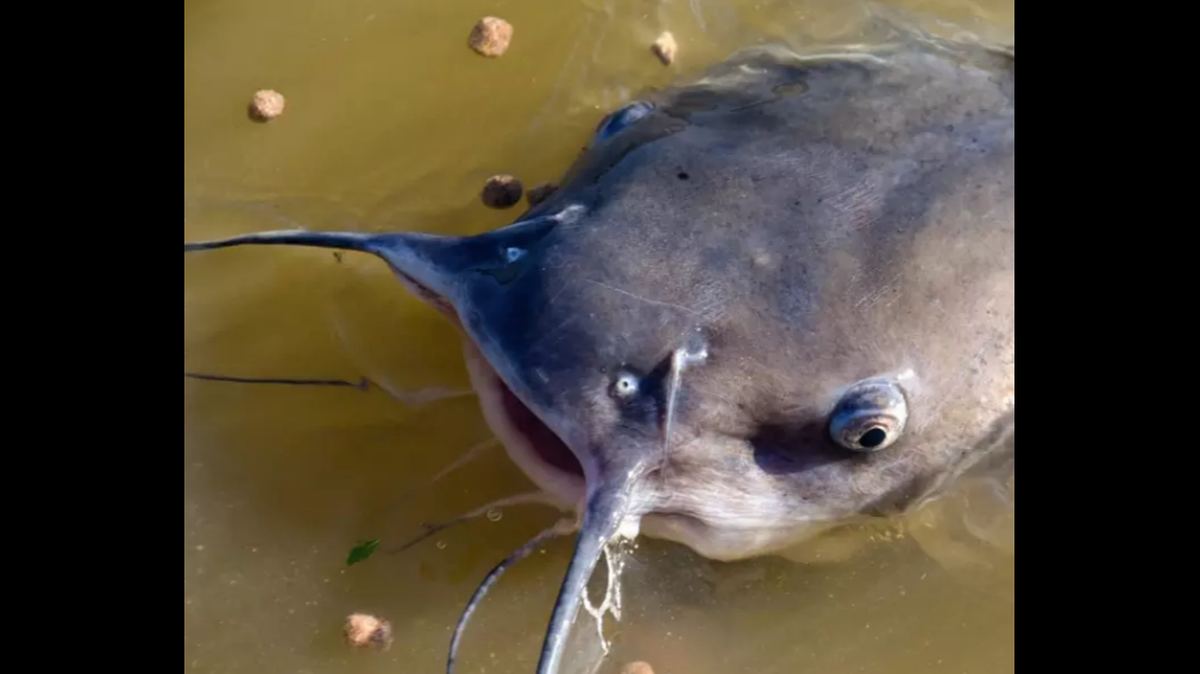
Warning: These photos may be disturbing to some readers.
A creature some are calling a “zombie catfish” is showing up in U.S. waterways, and biologists have an unnerving explanation.
Yes, they are real catfish, but they’re also afflicted with a bacterial infection that makes it appear their skin is melting, according to the Georgia Department of Natural Resources.
The infection is known as “hole in the head disease,” the department said in an Oct. 18 Facebook post.
“Catfish affected with (it) often are seen swimming in tight circles, spiraling, spinning, and tail chasing. This erratic behavior is the result of nervous system impairment resulting from inflammation of the brain,” the department wrote.
“Affected fish may become lethargic and swim slowly near the edge of the pond, or they may hang in the water column with the head up and tail down. Catfish with (the disease) tend to stop eating shortly after becoming infected.”
The highly infectious disease, officially known as enteric septicemia of catfish (ESC), “now extends to all states where catfish farming is practiced,” according to a report by the Southern Regional Aquatic Center. A number of factors are blamed, including overstocking, improper diet and poor water quality.
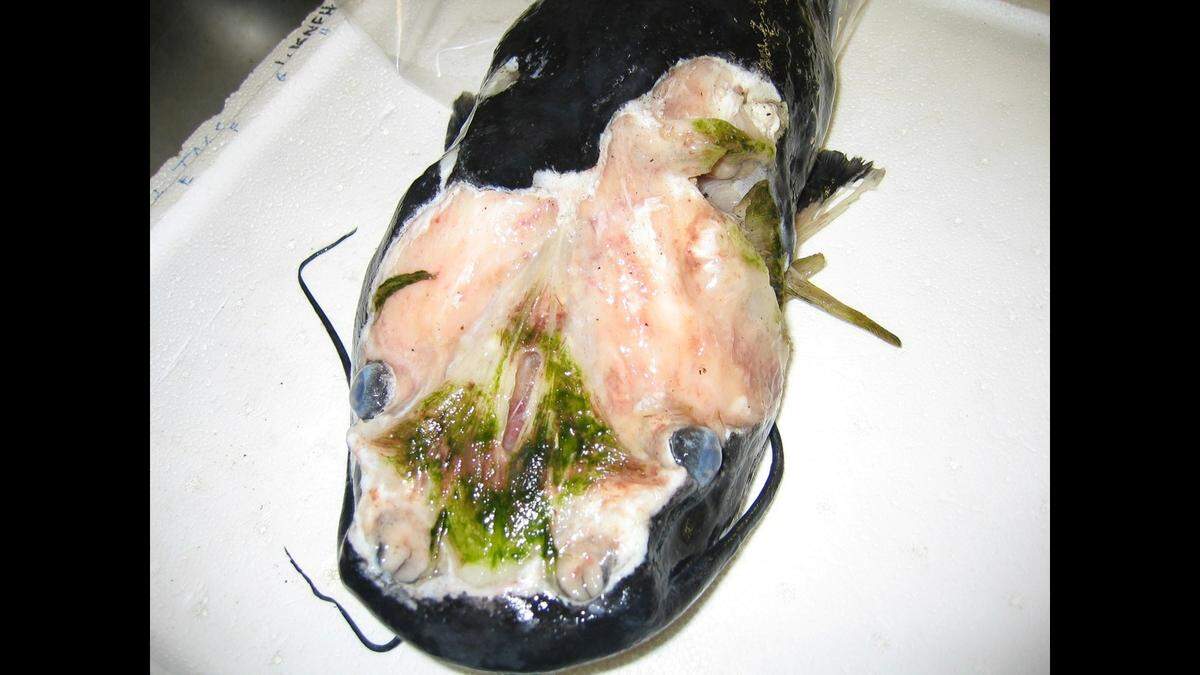
Reaction to the photo shared by Georgia officials has ranged from horror to questions about the impact on humans.
“Hot grease will kill anything,” Jeff Turkett wrote.
“I promise you — when I tell people ‘something is impacting the catfish’ I will have everyone’s full attention because people can relate to what’s on their plate quickly,” Cassandra Loftlin posted.
“What does it do to people who eat these fish? It can’t be good,” Traci Tribble Spires asked.
So will humans end up looking the same way if they eat the fish?
Nope, experts say.
“The causative bacterium of ESC ... is strictly a pathogen of fish and does not infect mammals or humans so there is no concern of zoonotic infection,” the Southern Regional Aquatic Center says.
This story was originally published October 20, 2023 at 10:53 AM with the headline "Monstrous ‘zombie catfish’ are appearing in US waterways. What’s causing it?."