‘Huge’ art gallery found carved near Colorado cliffs. See the centuries-old scenes
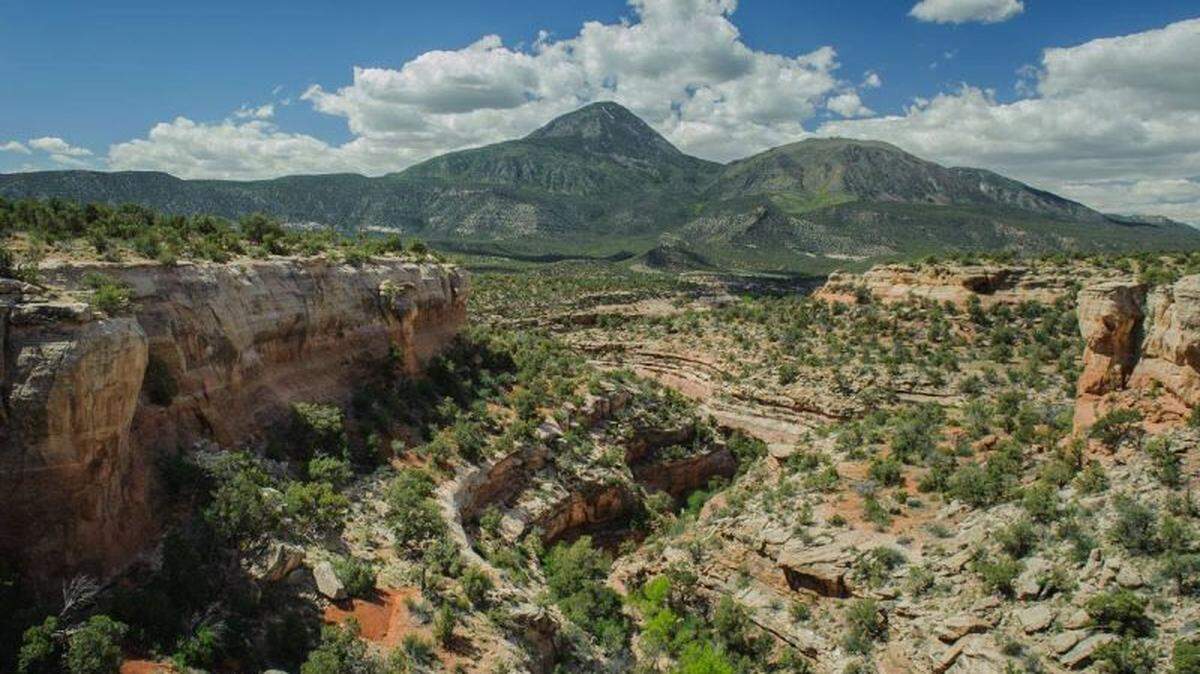
While conducting research at the Castle Rock Pueblo settlement complex in Colorado, a team of archaeologists from Poland was encouraged by locals to explore “higher, less accessible parts of the canyons.” What they found exceeded their “wildest expectations.”
Approximately 2,600 feet above the ancient Pueblo cliff settlements, the archaeologists discovered a sprawling collection of “huge rock panels” stretching about 2.5 miles around a large plateau, according to a Dec. 13 news release from Jagiellonian University. The collection of “previously unknown huge galleries and petroglyphs” wasn’t created all at once but was added to over time.
The Pueblo people lived on the border between Utah and Colorado as early as 3,000 years ago, the university said. Now, Pueblo sites are popular among archaeologists and tourists alike because they are “built into rock niches or carved into canyon walls.”
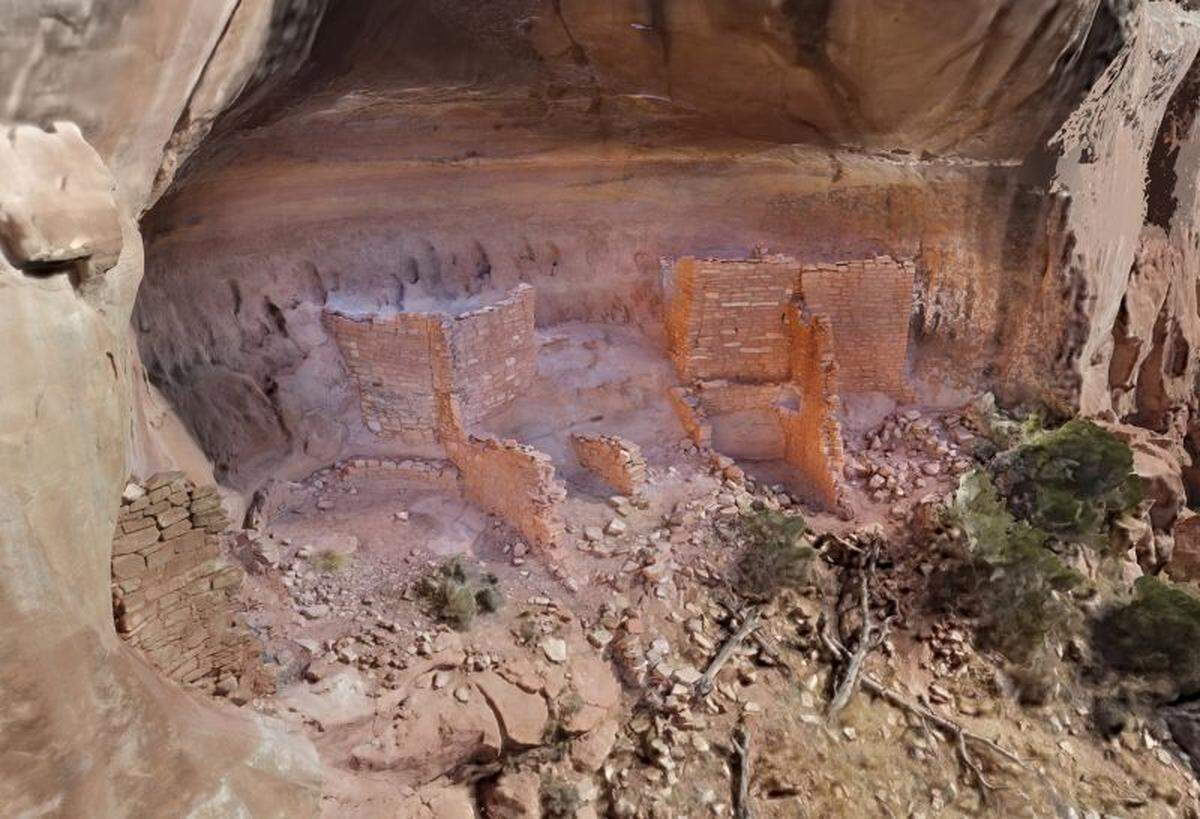
“The agricultural Pueblo communities developed one of the most advanced Pre-Columbian cultures in North America,” Radosław Palonka from the university’s Institute of Archaeology said in the release. “They perfected the craft of building multistory stone houses, resembling medieval town houses or even later blocks of flats. The Pueblo people were also famous for their rock art, intricately ornamented jewelry, and ceramics bearing different motifs painted with a black pigment on white background.”
The oldest carvings depict warriors and shamans and date to approximately the third century, known as “the Basketmaker Era,” according to the university. During this time, people lived on flatlands in partly underground pit houses, and they “engaged in farming and produced characteristic baskets and mats.”
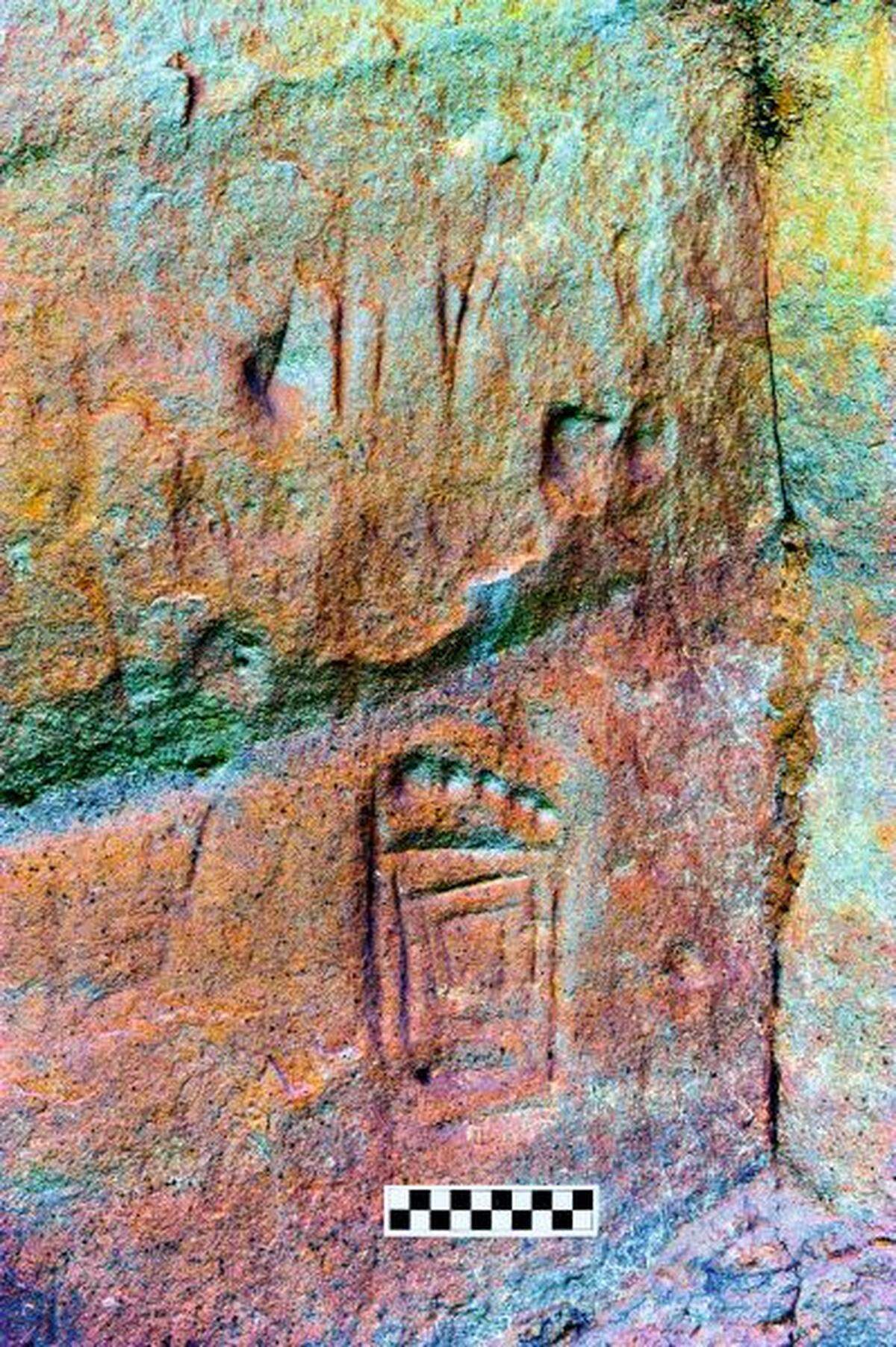
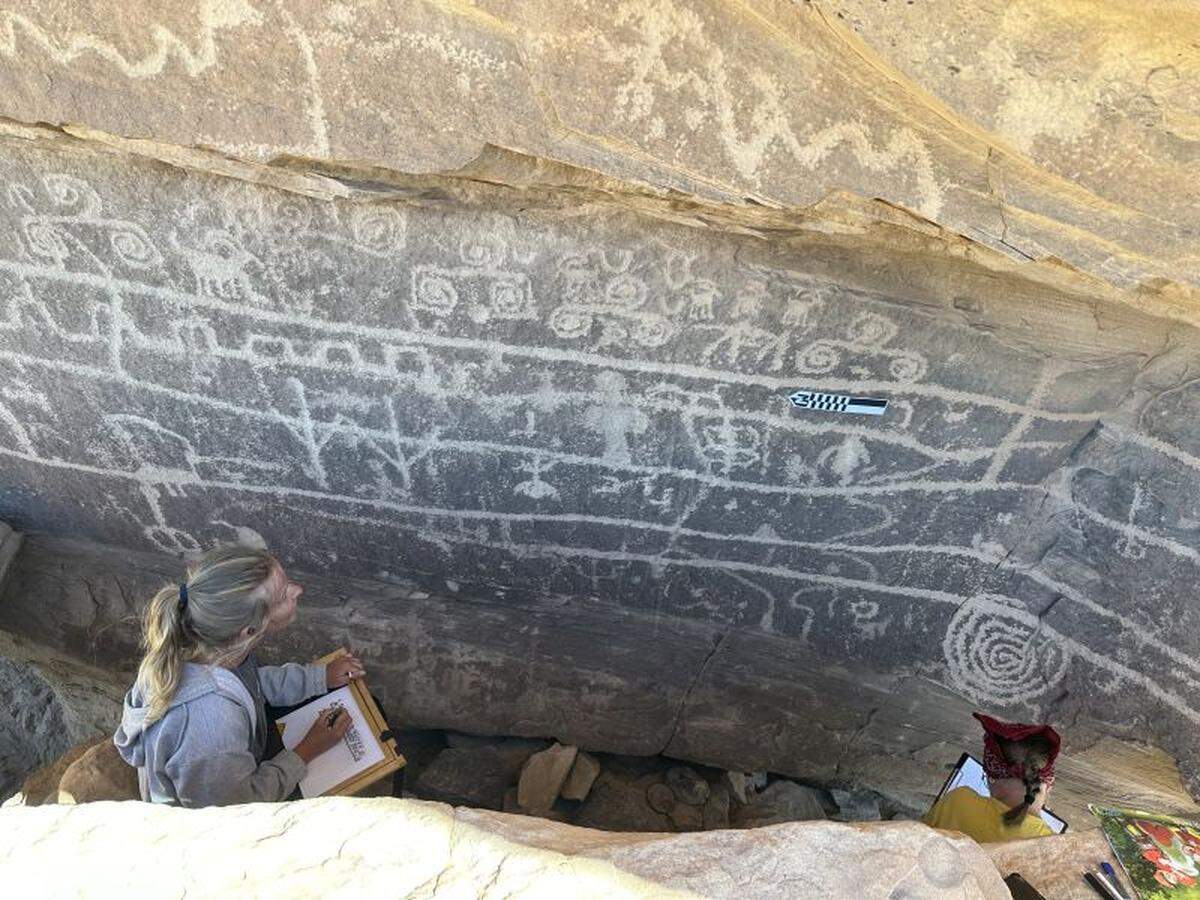
Most of the newly discovered carvings date to between the 12th and 13th centuries, archaeologists said. They portray different things, but many include “complicated geometric shapes.”
Art from this period also included “spirals” up to about 3 feet wide that were carved into the rock panels, Palonka said. The Pueblo people used these carvings for “astronomical observations and to determine the dates of some special days in the calendar,” including solstices and equinoxes.
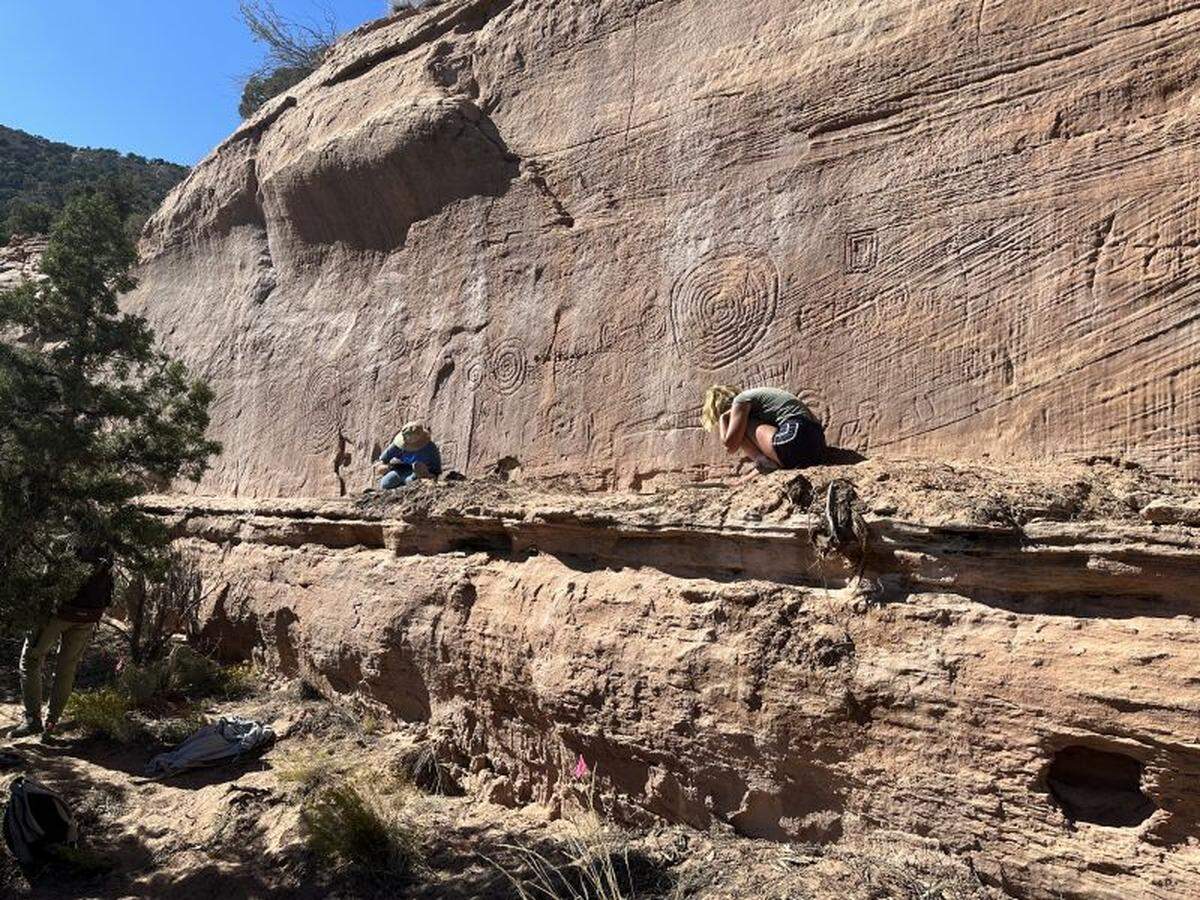
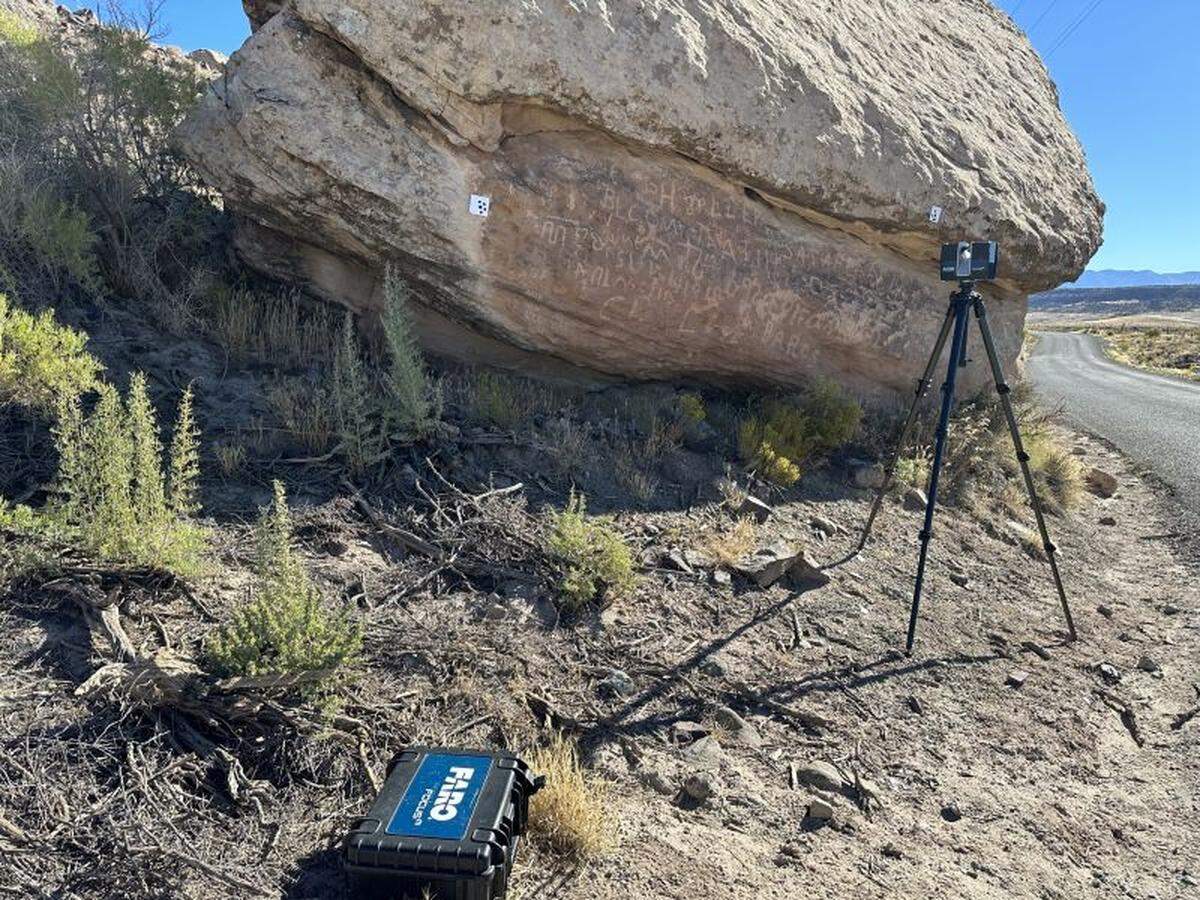
“These discoveries forced us to adjust our knowledge about this area,” according to Palonka. “Definitely we have underestimated the number of inhabitants who lived here in the 13th century and the complexity of their religious practices, which must have also taken place next to these outdoor panels.”
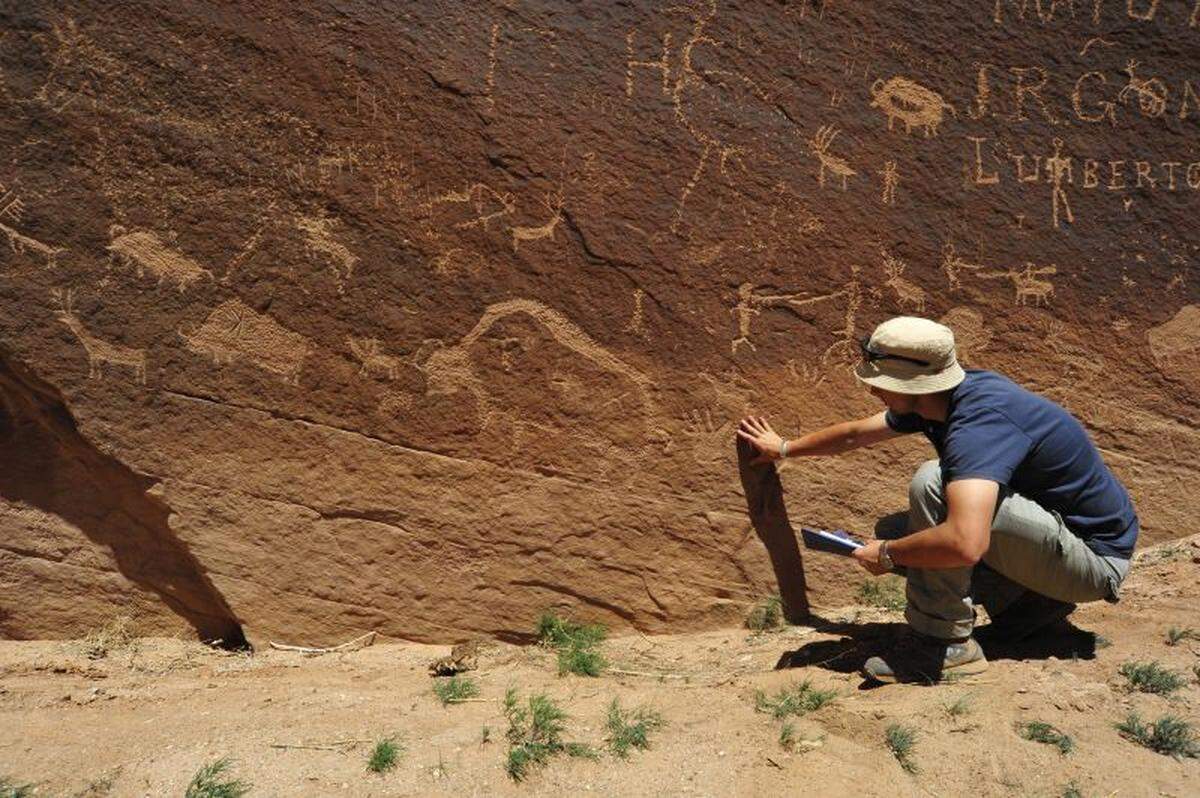
Carvings from the 15th to 17th centuries depicted “large narrative hunting scenes showing bison, mountain sheep and deer hunts,” the university said. More recent additions include horses and the newest pieces even included the signature of famous cowboy Ira Cuthair from 1936.
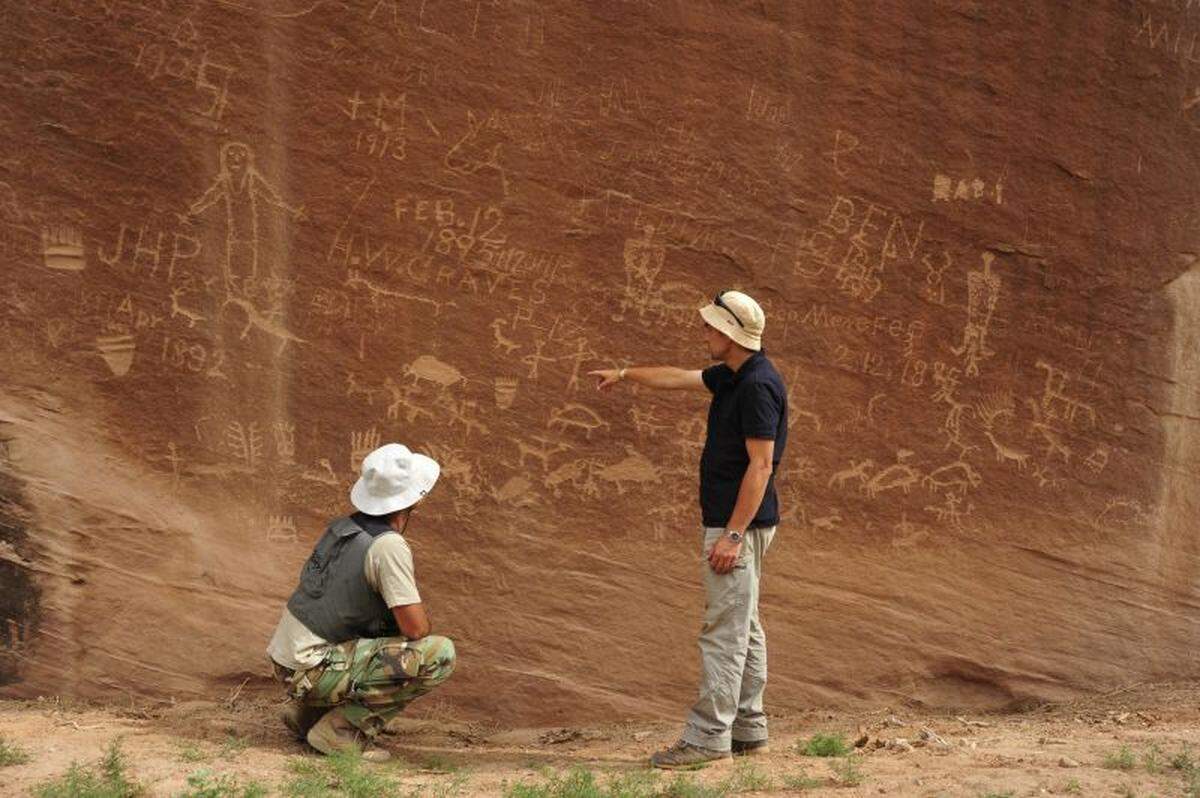
Researchers plan to continue exploring the area, and they are currently awaiting LiDAR survey results, which they hope will reveal “new, previously unknown sites, mainly from the earlier periods,” Palonka said.
This story was originally published December 14, 2023 at 4:06 PM with the headline "‘Huge’ art gallery found carved near Colorado cliffs. See the centuries-old scenes."