Determined creature treks over 1,000 miles across the West. Researchers are baffled
A determined creature headed west and didn’t look back for more than 1,000 miles on the epic journey — even as it confronted obstacles that could have ended the trek, Utah researchers say.
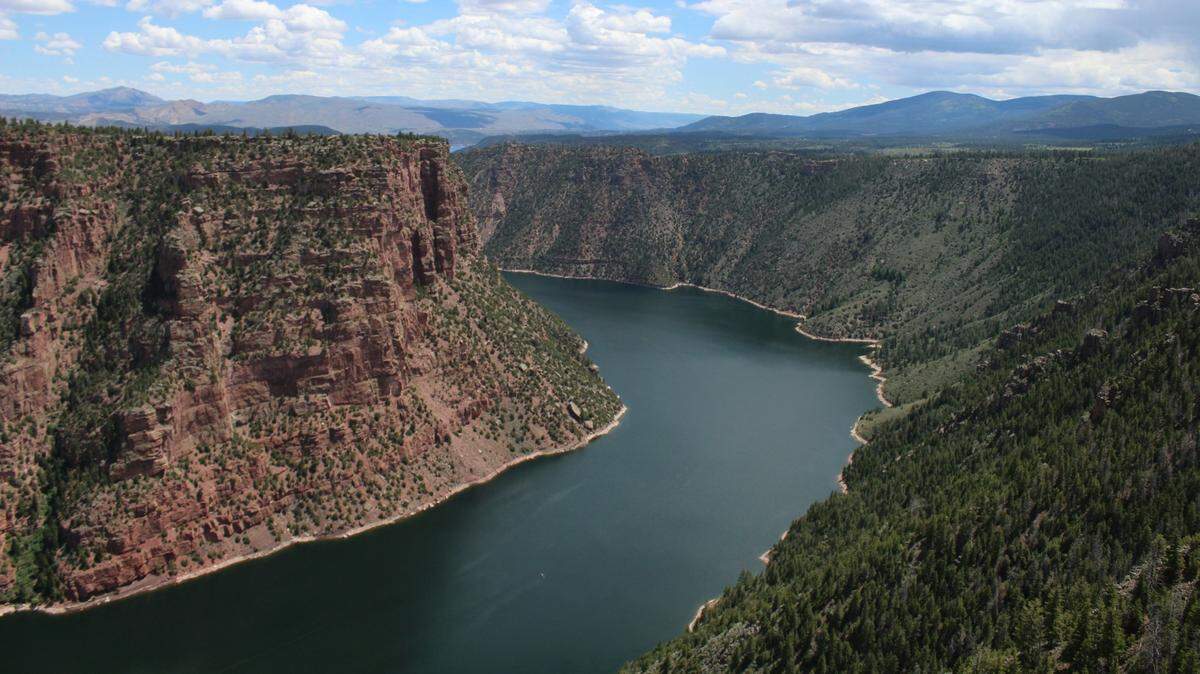
One of those obstacles was a sprawling river gorge less than halfway into the young mountain lion’s voyage, Utah Division of Wildlife Resources said in a post on X, formerly known as Twitter.
“On July 4, 2022, at 2 a.m., a two-year-old collared female cougar — designated F66 by the researchers — sat on the banks of the Confluence bend of Flaming Gorge Reservoir in Wyoming. A little over 220 miles into her journey, she had a choice to make: turn around and return north or make a chilling plunge into the water,” district wildlife biologist Morgan Hinton wrote in a blog post. “Shockingly, F66 chose the latter and swam at least a quarter mile across the reservoir to reach the other side.”
It was one of many “incredible events” during the cougar’s five-month journey through Utah, Wyoming and Colorado, and across busy highways in all three states, Hinton said.
Researchers collared the mountain lion in February 2022, and a little over three months later she took off on her quest for more abundant resources and diverse mates, Hinton said. The cougar “consistently stayed on the move, only stopping every so often to eat,” Hinton said.
The mountain lion’s voyage is one of the farthest recorded, researchers said. Known as “dispersal events,” the behavior is unique to the cougar species. It’s different from the round-trip migration habits of deer and elk in that it’s “a one-time movement away from a home range that is not returned to.”
An animation shows F66’s voyage from start to finish.
The trailblazing cougar trekked the 1,000 miles in less than 165 days, “averaging 6 miles per day — with some days exceeding more than 20 miles of travel!” Hinton said. “Once up and over the Rocky Mountains, she continued her journey east, crossing 75% of the state of Colorado” until another cougar killed her on Nov. 13, 2022.
Journeys like F66’s are not common and haven’t been extensively documented due to a lack of reliable GPS data, Hinton said.
But as these types of studies become more common, biologists are using the information to “identify important movement corridors for cougars and identify how movement is influenced by age and sex,” which Hinton said “is crucial to understanding population dynamics and improving management strategies” for western mountain lions.
This story was originally published February 14, 2024 at 4:59 PM with the headline "Determined creature treks over 1,000 miles across the West. Researchers are baffled."