Human DNA found on coyote’s paws links it to Thanksgiving attack on child in Colorado
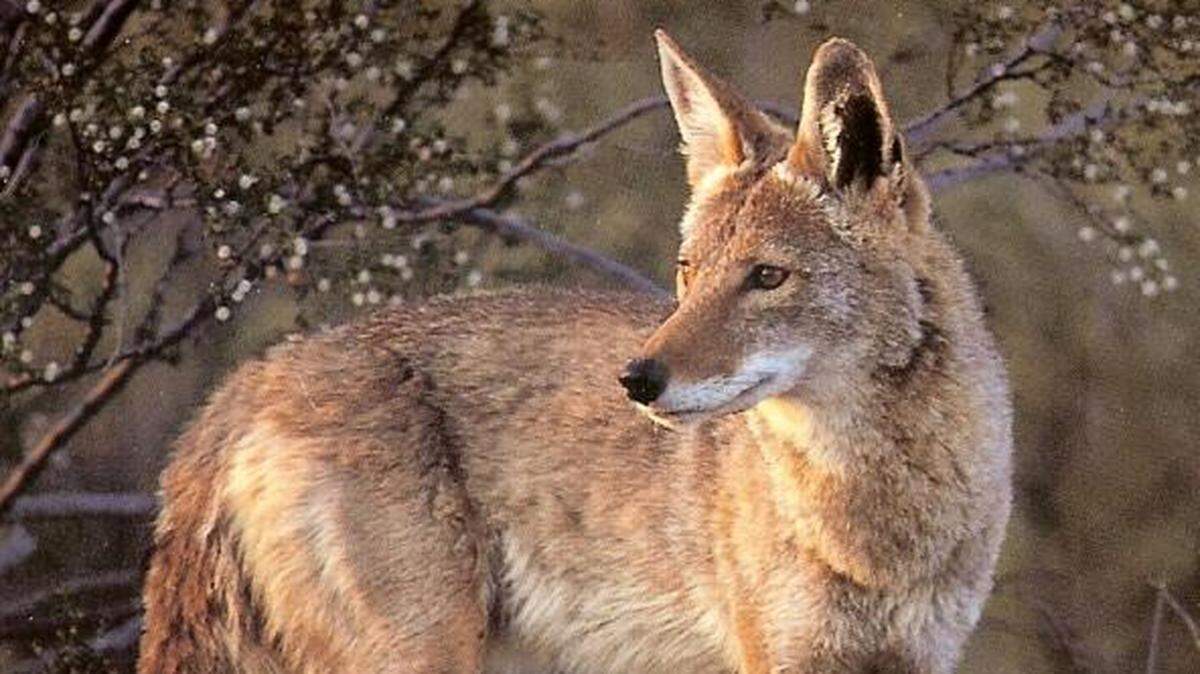
After weeks of searching, Colorado wildlife officials believe they’ve captured and identified the coyote that attacked a 4-year-old girl on Thanksgiving.
A necropsy revealed the predator had human DNA on its paws and “deep between the coyote’s toes,” as well as human food in the animal’s stomach, suggesting someone had been feeding it and possibly other coyotes and wildlife in the area, Colorado Parks and Wildlife said in a news release.
The girl approached what she believed to be a dog crouching behind a tree in a northern Colorado Springs neighborhood near the Air Force Academy on Nov. 28, McClatchy News previously reported. But it was actually a coyote that “lunged” at her and grabbed her by the back of the head, seriously injuring her, according to officials.
The girl’s father rushed over to her screaming to end the attack, officials said. She stayed at a hospital overnight, and wildlife officials started searching for the coyote after learning about the attack the next day on Nov. 29.
During the three-week search in the neighborhood, officials removed two coyotes that routinely returned to where the attack took place. The one with human DNA on its paws tested negative for rabies, and testing is still taking place on the second one, officials said.
“The good news is that this neighborhood is safe because we caught and removed the coyote that attacked the child on Thanksgiving,” said Tim Kroening, the agency’s wildlife manager for the Pikes Peak area. “The bad news is that a 4-year-old child suffered serious injuries and her family was traumatized because someone was feeding wildlife.”
Kroening said he was glad the investigation could offer some closure to the family and wished the child a “speedy recovery.”
“Since we began our search, we routinely saw three coyotes that boldly approached houses and clearly had lost their fear of humans,” he added. “This tells us they were searching for food.”
Officials will continue to investigate illegal wildlife feedings.
The coyote had likely become habituated to people and was not to blame for its actions, but the agency couldn’t “leave it on the landscape because its lack of fear of humans made it an ongoing threat to other children,” Kroening said in the release.
“Our first obligation is to protect human health and safety and we can’t allow dangerous predators to attack children,” Kroening said. “This is exactly why we constantly preach the dangers of feeding wildlife.”
Coyotes adapt well to urban and highly populated areas where they can find shelter and easy meals, officials said. They’re naturally afraid of people, just like most other wildlife, but can lose that fear and behave boldly and aggressively when protecting their young, or if they’re sick or someone is feeding them, officials said.
“Coyotes are omnivores and will eat anything, Kroening said. “Typically they only get aggressive in the spring when they have pups in a den. Or they get aggressive because someone in the area is feeding them.”
People should learn about how to keep coyotes wild and afraid of humans, as well as how to protect their children and pets in light of the attack, officials said. The agency shared strategies to “haze” — or scare off — coyotes and other wildlife to keep them wary of humans.
“Hazing is important because urban coyotes are a fact of life,” Kroening said. “Coyotes live across Colorado and they have a huge range. But if they find a niche in a city with food, cover, water and open space, they won’t wander far and they can be territorial.”
Coyotes mainly eat small animals such as mice, rabbits, squirrels, fish and birds, and will also eat berries, vegetables, insects “and about any other scraps they can find.”
The agency asks anyone with information about wildlife feeding to call CPW or report it anonymously to Operation Game Thief (OGT) by calling 1-877-COLO-OGT (877-265-6648) or emailing game.thief@state.co.us. Verizon users can dial #OGT.
This story was originally published December 20, 2024 at 2:15 PM with the headline "Human DNA found on coyote’s paws links it to Thanksgiving attack on child in Colorado."