
Avalanche buries and kills backcountry snowboarder, Colorado officials say
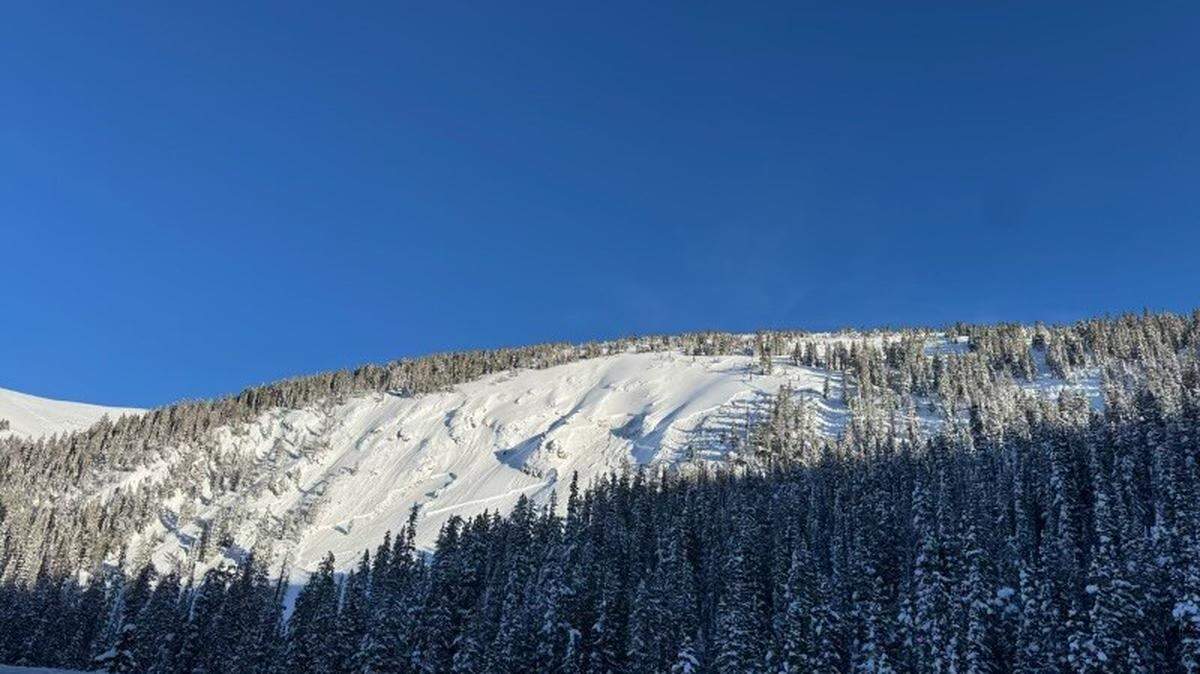
An avalanche buried and killed a backcountry snowboarder near Berthoud Pass, Colorado authorities reported.
A 911 caller reported the avalanche at 4:45 p.m. Saturday, Feb. 22, the Grand County Sheriff’s Office said in a news release.
The avalanche took place on Mines Peak, east of Berthoud Pass, in an area locally known as The Fingers or High Trail Cliffs, the Colorado Avalanche Information Center said.
“The Fingers are a set of steep, rocky, northwest-facing avalanche paths that are easily accessed from the parking area at the summit of Berthoud Pass,” the center said.
The slab avalanche appeared to have been triggered by the snowboarder, the center said.
Berthoud Pass is about a 55-mile drive west from Denver.
In a separate incident, an avalanche on Gravel Mountain near Grand Lake swept away at least three people but caused no serious injuries at 2:25 p.m. Saturday, Feb. 22, the sheriff’s office said.
The avalanche appeared to have been triggered by a snowmobiler, sheriff’s officials said.
What to know about avalanches
Avalanches happen quickly and catch people by surprise. They can move between 60 and 80 mph and typically happen on slopes of 30-45 degrees, according to experts.
Skiers, snowmobilers and hikers can set off an avalanche when a layer of snow collapses and starts to slide down the slope.
In the U.S., avalanches are most common from December to April, but they can happen at any time if the conditions are right, National Geographic reported.
At least 13 other people in the U.S. have died in avalanches this season as of Feb. 23, according to the Colorado Avalanche Information Center.
People heading into snow should always check the local avalanche forecast at Avalanche.org, officials with the U.S. Department of Agriculture said, and have an avalanche beacon, probe and shovel ready.
“Emergency services are usually too far away from the scene of an avalanche, and time is important,” Simon Trautman, a national avalanche specialist, said. “A person trapped under the snow may not have more than 20 or 30 minutes. So, in a backcountry scenario, you are your own rescue party.”
If an avalanche breaks out, it’s best to move diagonal to the avalanche to an edge, Trautman said.
“Try to orient your feet downhill so that your lower body, not your head, takes most of the impact,” officials said. “You may also get into a tight ball as another way to protect your head.”
This story was originally published February 23, 2025 at 12:04 PM with the headline "Avalanche buries and kills backcountry snowboarder, Colorado officials say."