4,000-year-old site – with ritual purpose – unearthed in rural England, photos show
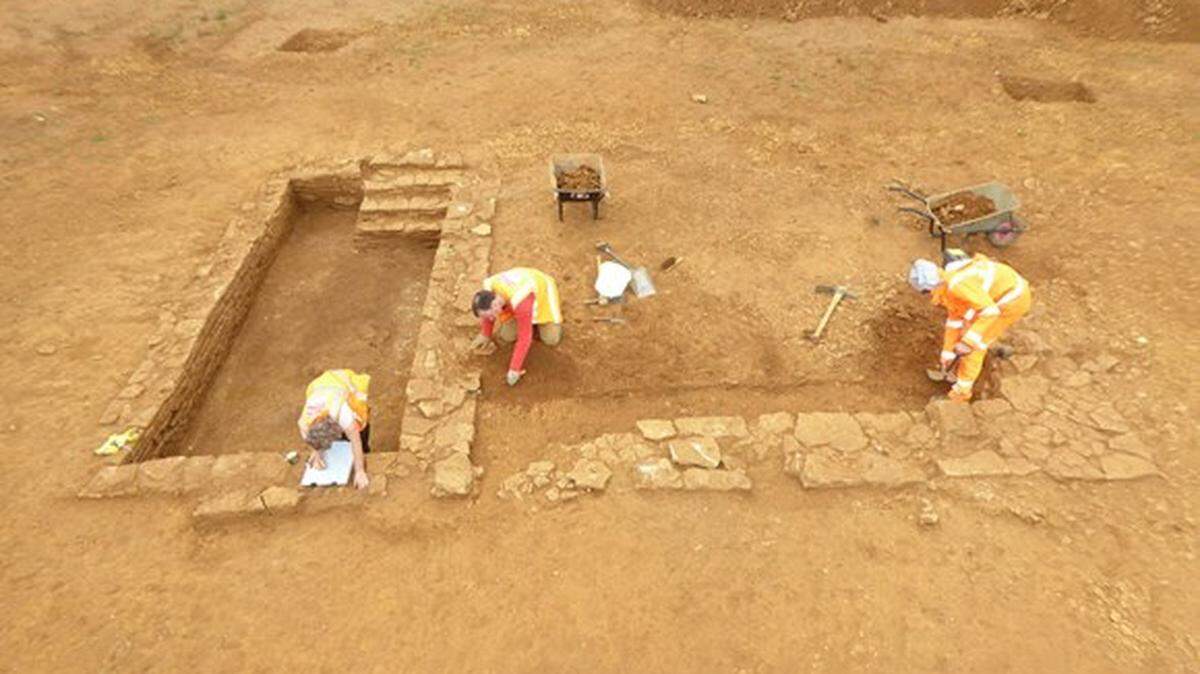
In rural Northamptonshire, England, archaeologists say they have discovered an ancient “focal point of ritual and religious activity.”
Some 4,000 years old, the site includes a Bronze Age barrow, or burial mound, and a Roman building the archaeologists called “unusual.” Their interpretation? The building could have been a shrine used for rituals and religious practices.
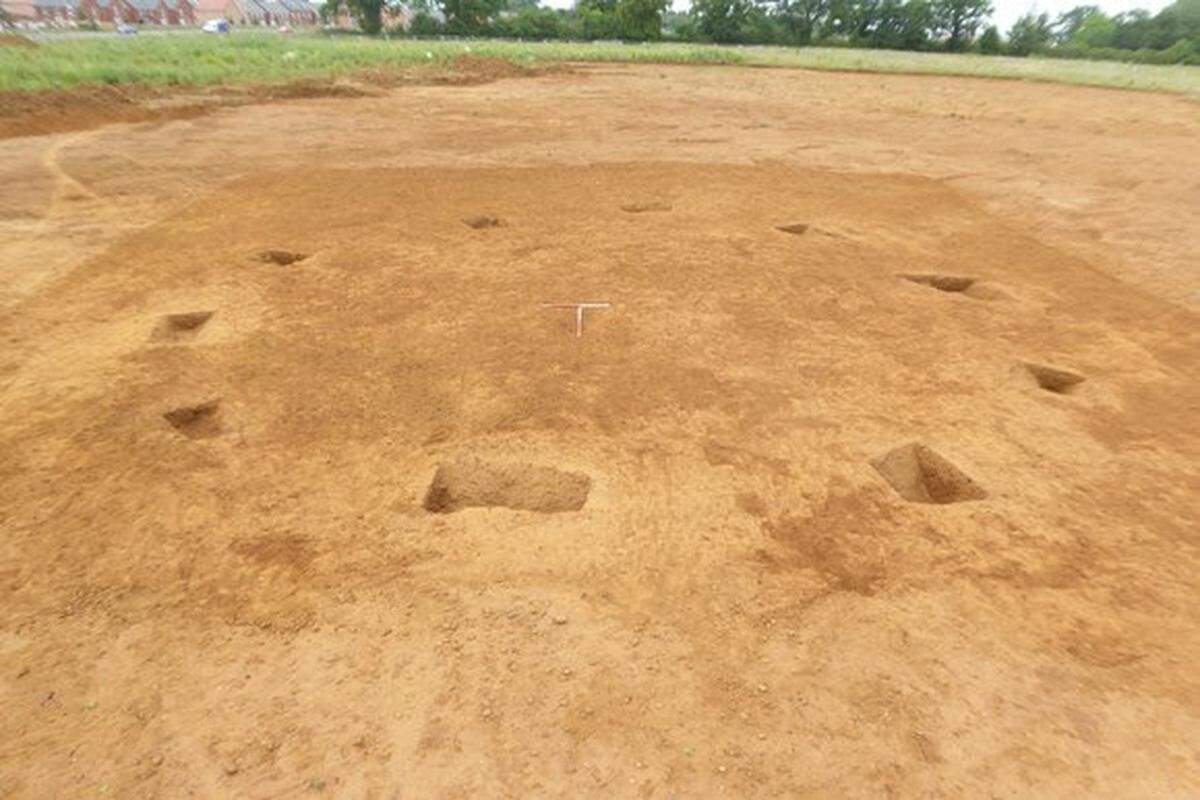
Archaeologists, from the Museum of London Archaeology, said the barrow was the oldest part of the site, built around 2000 to 1500 B.C. The burial mounds would have been part of a larger “funerary landscape” at the time.
But, when they dug up the barrow there were no bones buried inside, just five empty burial urns.
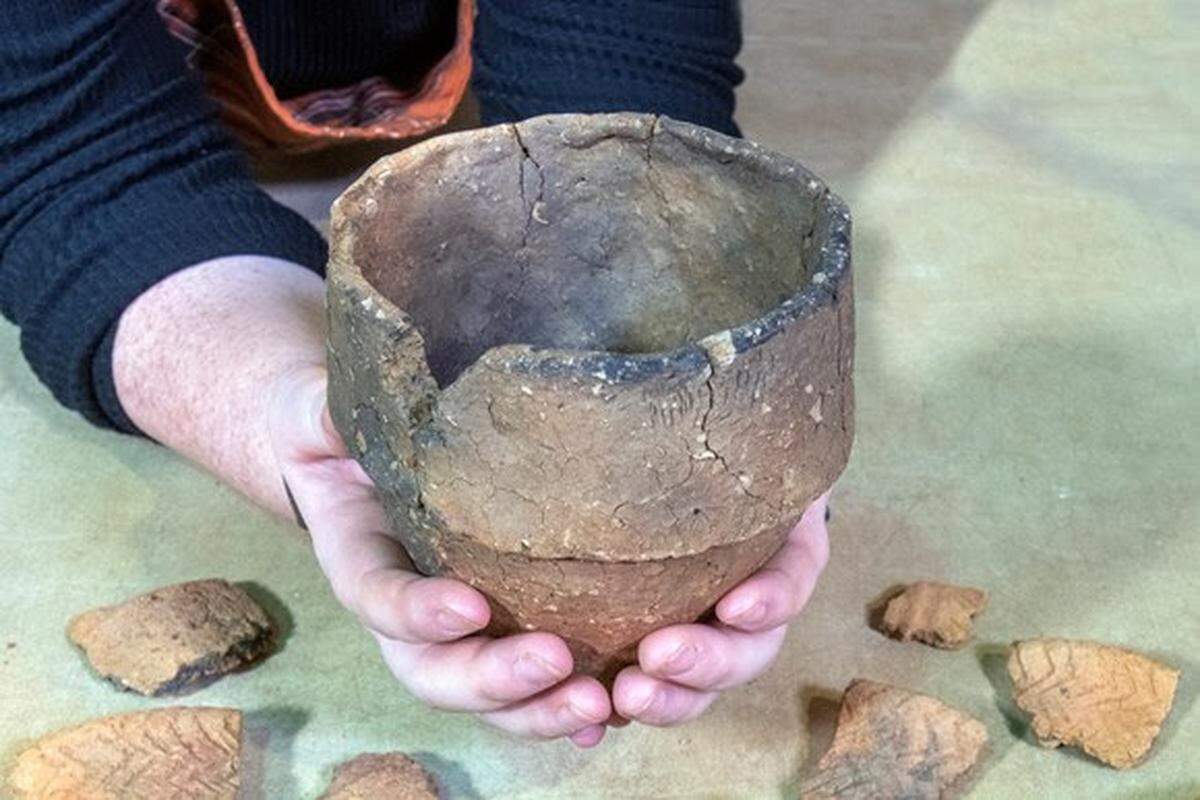
“The fact no human remains were placed within the barrow suggests it may have had a more symbolic rather than functional use,” project manager Simon Markus said in a release. “It seems very likely this landscape was already a highly significant place for local ancient communities, and those pre-existing associations led people in the Bronze Age to pick this site for the construction of a ritual monument.”
The building, built from 43 to 410 A.D., was decorated with painted plasterwork and had an underground room. The researchers believe it may have had a painted ceiling but could not identify any functional use for the underground space.
Because of the barrow and nearby spring, a point of worship during the Roman period, the researchers have interpreted the underground room as some sort of shrine. They said visitors to the building may have left coins or other artifacts as offerings, but they did not find any at the site.
The spring had more than just a religious purpose, evident by the water tanks found at the site. The researchers say the discovery of water tanks “indicate the spring water was used for processing crops and other industrial activities,” and the water inside that was used for drinking water would still be safe to drink today.
The “final extraordinary discovery” of the site was 2,000-year-old organic material at the bottom of the water tanks, including willow tree blossoms, pine cones, walnut shells and a complete leather shoe.
Analysis of the discoveries and the site as a whole will help to build the significance of the landscape and the history left behind.
This story was originally published January 11, 2023 at 12:50 PM with the headline "4,000-year-old site – with ritual purpose – unearthed in rural England, photos show."