Ancient emperor’s massive underground palace and mausoleum unearthed in China
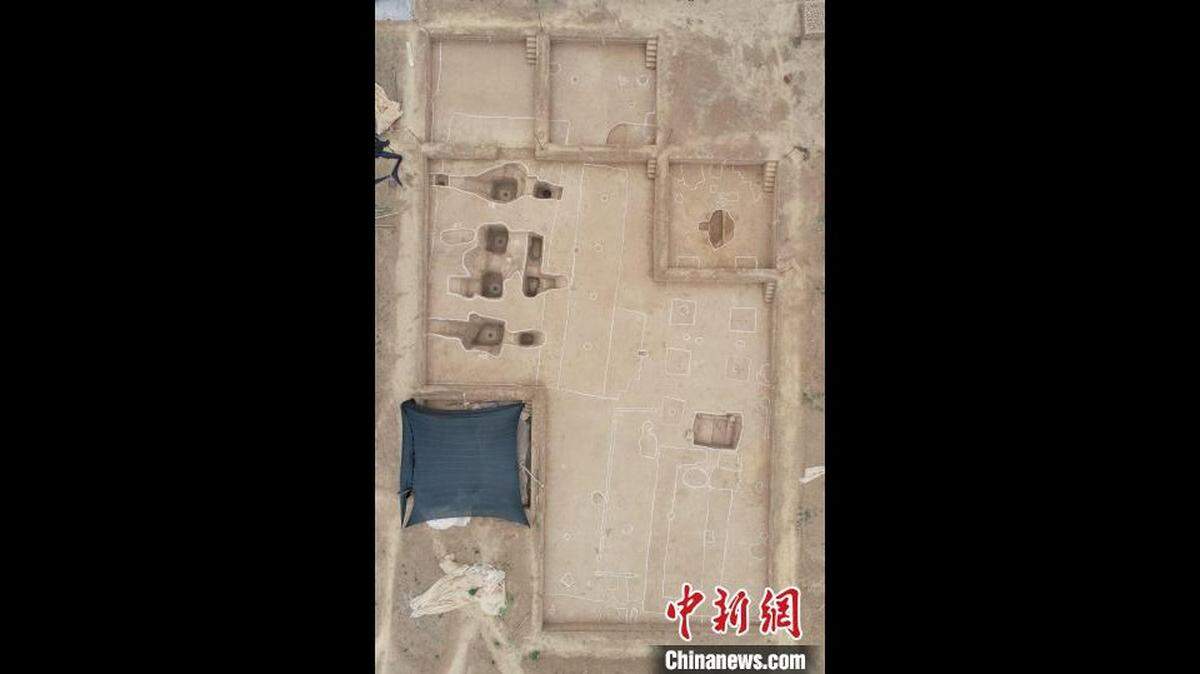
A massive cemetery — including an underground palace and mausoleum — discovered in China may have belonged to an ancient emperor, experts say.
Archaeologists believe the 9,149,323-square-foot cemetery belonged to Emperor Huan, who ruled the Eastern Han Dynasty from 146 A.D. until his death in 168 A.D., according to a Jan. 9 news release from the Chinese Academy of Social Sciences’ Institute of Archaeology.
Within the cemetery is the emperor’s underground palace and mausoleum, as well as mausoleum buildings, including stone halls, sleeping halls and officials’ houses. Archaeologists also said a network of roads leads in and out of the cemetery.
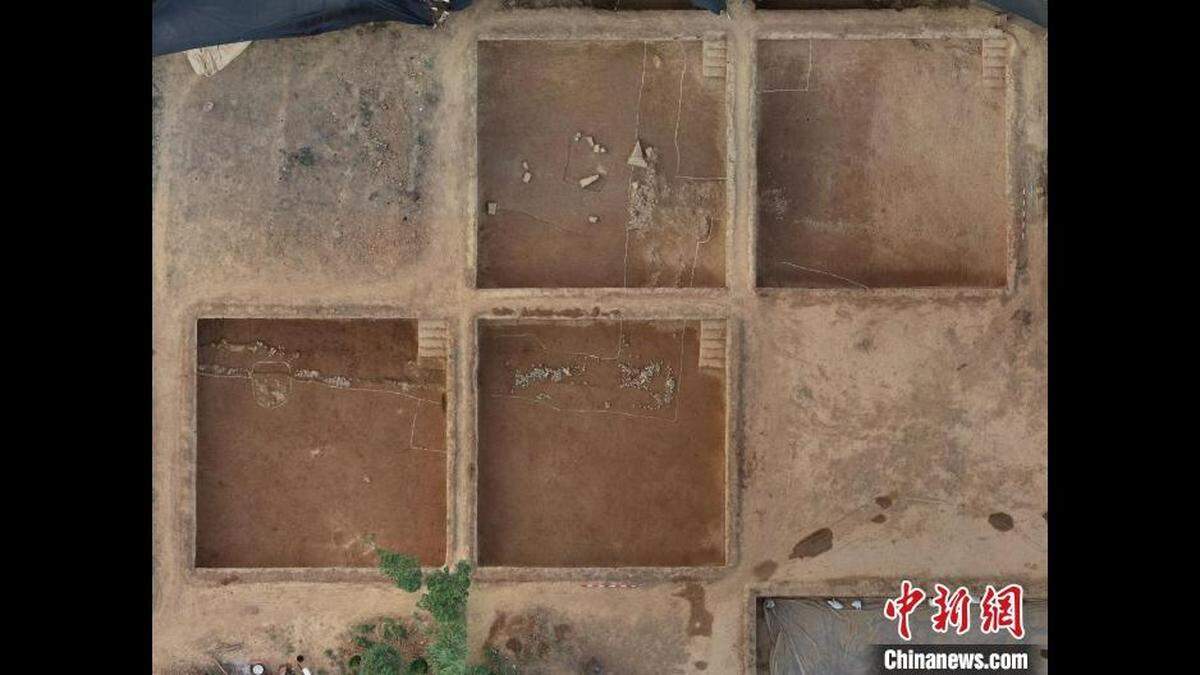
Excavation of the site began in 2017, and in 2022 experts determined that the cemetery likely belonged to the emperor, the institute said.
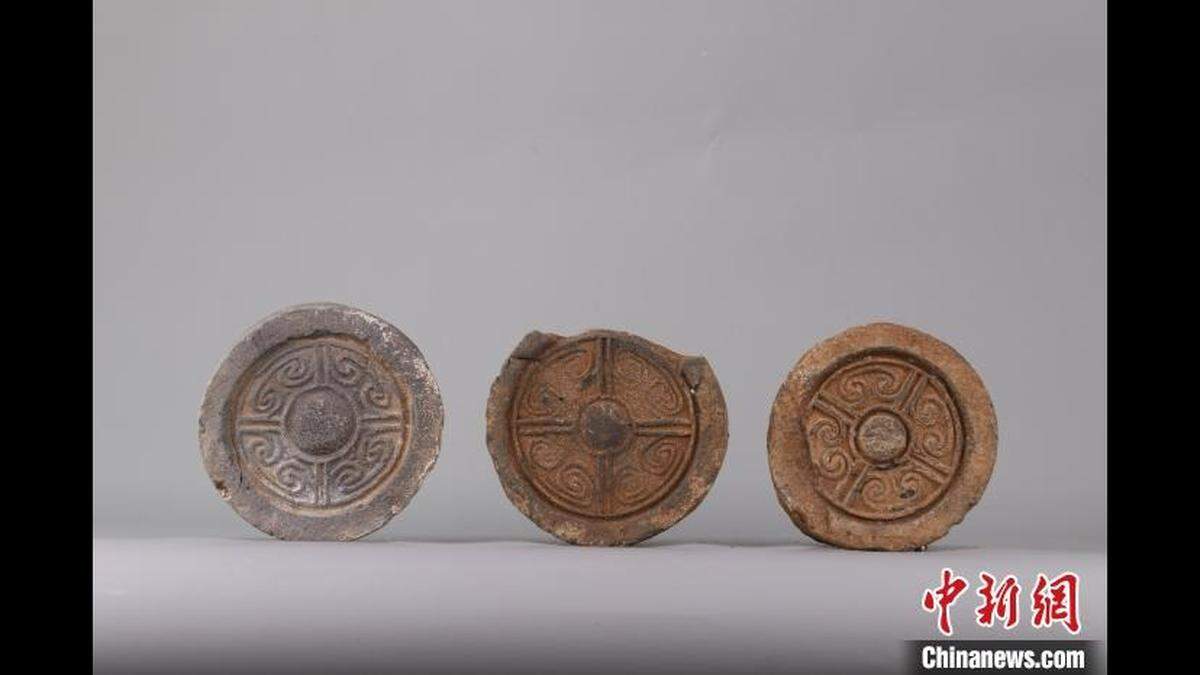
So far, archaeologists have unearthed two gates, tiles with cirrus moiré patterns, stone tools and several building units — including a ritual building containing arranged stone pillars.
The cemetery is in the Henan Province, which is in the eastern region of the country.
Google Translate was used to translate the news release from the Chinese Academy of Social Sciences’ Institute of Archaeology.
This story was originally published January 11, 2023 at 5:51 PM with the headline "Ancient emperor’s massive underground palace and mausoleum unearthed in China."