Newly discovered 10,500-year-old civilization shows rare glimpse at prehistoric survival
Metal is a staple in modern human existence. Your refrigerator, your smart phone, your laptop, your TV? All made, at least in part, of metal.
But tens of thousands of years ago, civilizations existed without metal, and archaeologists have long struggled to determine how. Now, a recent discovery in England is shedding some light on the question, giving experts a rare look into ancient human life.
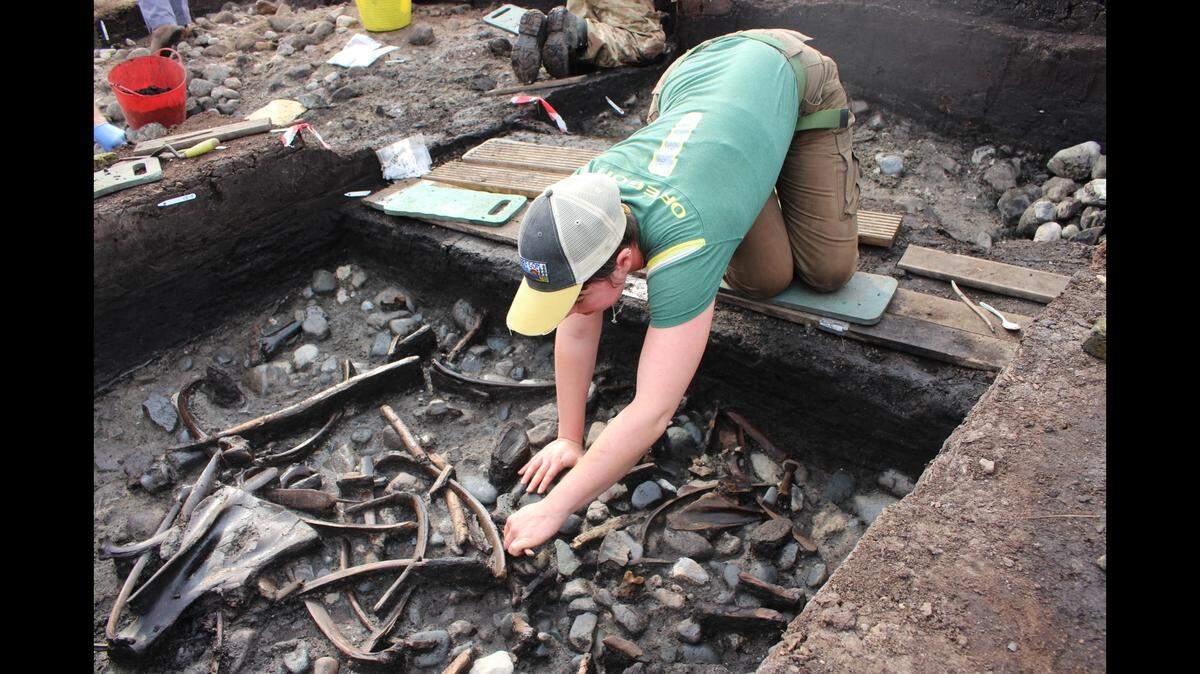
Excavations carried out by a team from the University of Chester and The University of Manchester unearthed remnants of an ancient civilization that was inhabited by hunter-gatherers about 10,500 years ago, according to a Jan. 19 news release from The University of Manchester.
“It is so rare to find material this old in such good condition,” Nick Overton, a co-director of the project from The University of Manchester, said. “The Mesolithic in Britain was before the introduction of pottery or metals, so finding organic remains like bone, antler and wood, which are usually not preserved, are incredibly important in helping us to reconstruct peoples’ lives.”
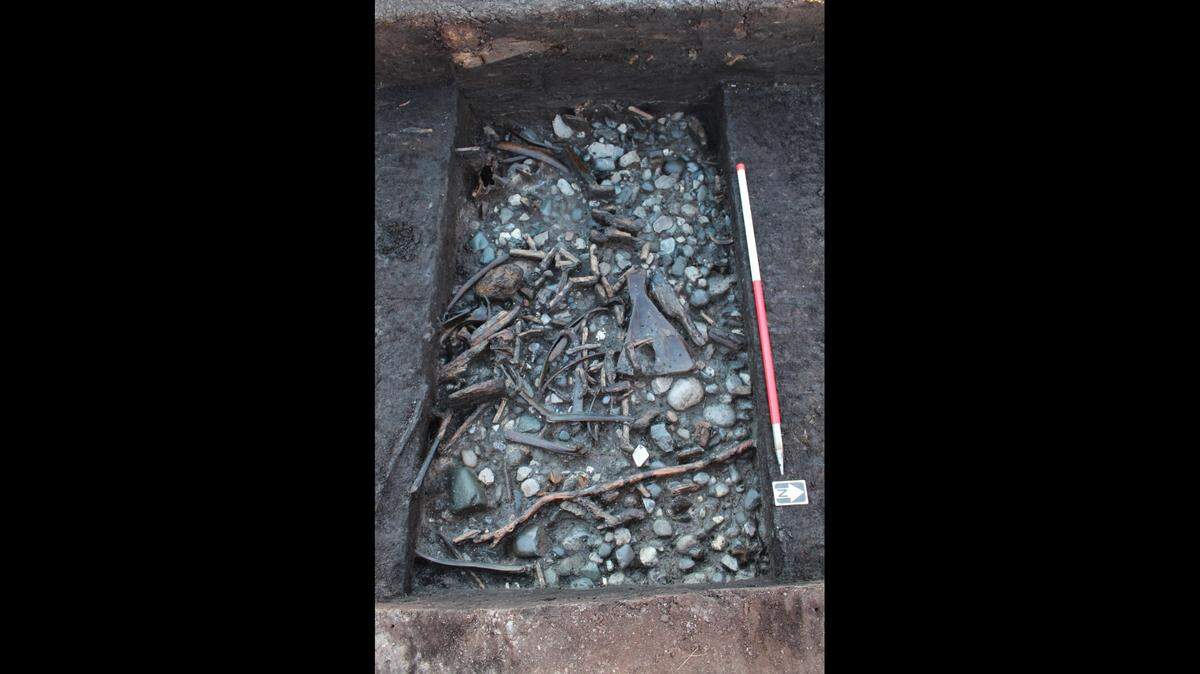
The site — which is about 250 miles north of London, near Scarborough — dates back to the Mesolithic, or “Middle Stone Age” period, the university said. At the time it was inhabited, the settlement was on the shore of an island of a lake. Since then, the lake has been filled with peat deposits, burying but preserving the remains at the site.
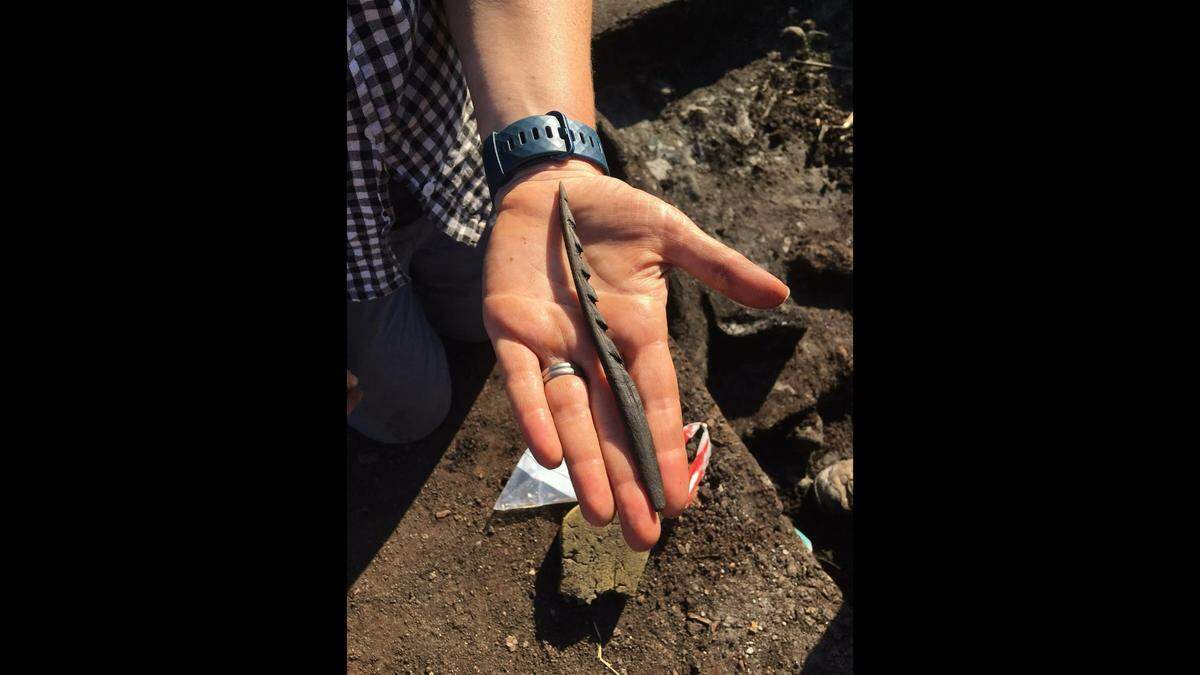
Archaeologists said they found a variety of artifacts, including bones of animals that were hunted, handmade tools and weapons and traces of woodworking — a rare find. These remains have revealed previously misunderstood aspects of prehistoric life.
For example, the fossils discovered at the site indicate that humans were hunting a range of animals in various habitats, including elk and deer, the university said. The way the animals were butchered and deposited around the settlement also demonstrates that certain rituals existed within the civilization.
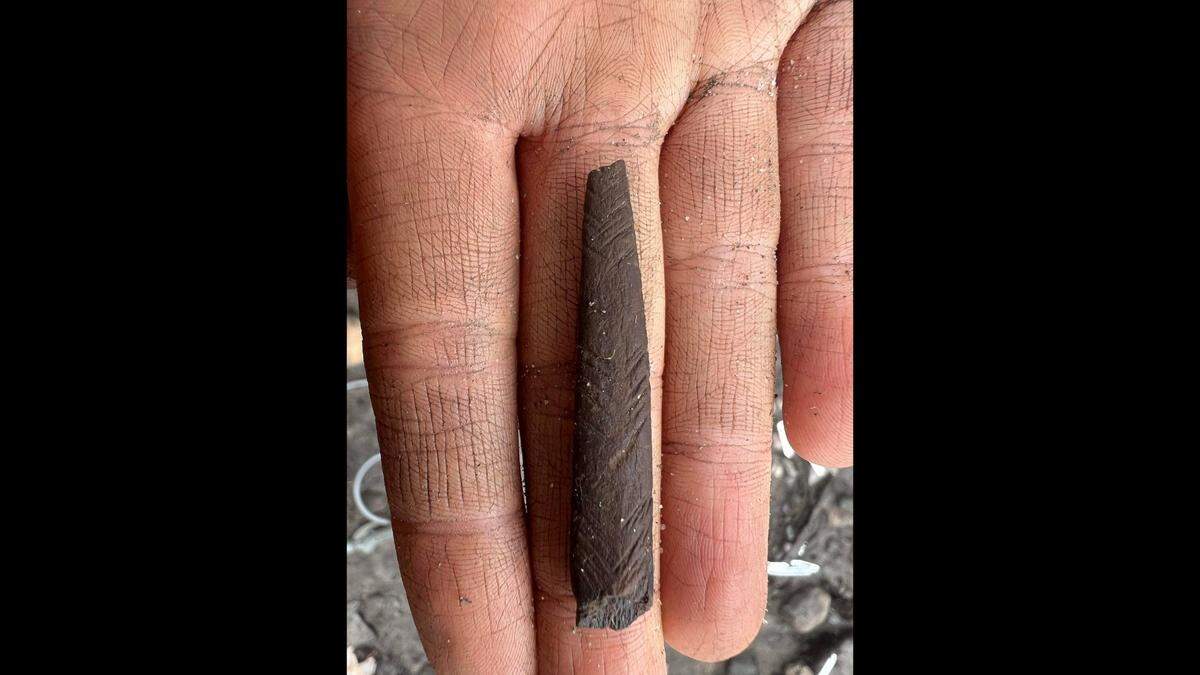
The hunting tools and weapons also shed light on unique rituals that may have existed within the ancient society. Some of the weapons and antler were decorated and taken apart before they were placed along the island’s shore, indicating that there may have been rules about disposing of animal remains and the weapons used to kill them.
“People often think of prehistoric hunter-gatherers as living on the edge of starvation, moving from place to place in an endless search for food, and that it was only with the introduction of farming that humans lived a more settled and stable lifestyle,” Amy Gray, a co-director of the project from the University of Chester, said in the news release.
“These aren’t people that were struggling to survive. They were people confident in their understanding of this landscape, and of the behaviours and habitats of different animal species that lived there,” Gray said.
Now, the team hopes continued analysis and research at the site reveal more about prehistoric life, especially the relationship ancient humans had with the environment.
This story was originally published January 19, 2023 at 3:15 PM with the headline "Newly discovered 10,500-year-old civilization shows rare glimpse at prehistoric survival."