Massive burial site tied to Mayan deity is uncovered — with some bodies headless
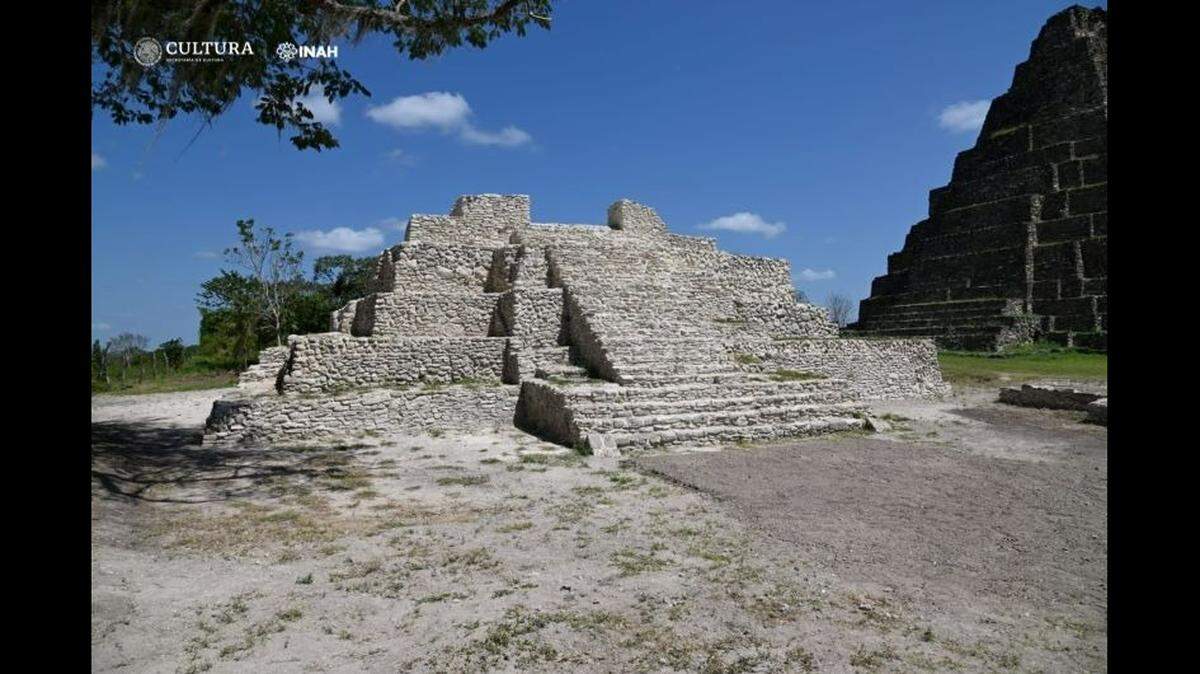
Archaeologists recently unearthed a massive burial site hidden beneath a towering temple-pyramid in the ancient Mayan city of Moral-Reforma.
The 20 human burials — which were identified as mostly young male adults — were found in two groups corresponding to different time periods, Mexico’s National Institute of Anthropology and History announced on April 19.
The more recent group of remains dates to sometime between 600 A.D. and 900 A.D., while the older group dates to sometime between 300 B.C. and 250 A.D.
Skulls found in each group showed signs of deformation indicative of elevated social status, experts said. Two of the skulls from the second group of remains also had jade inlays in their dental remains.
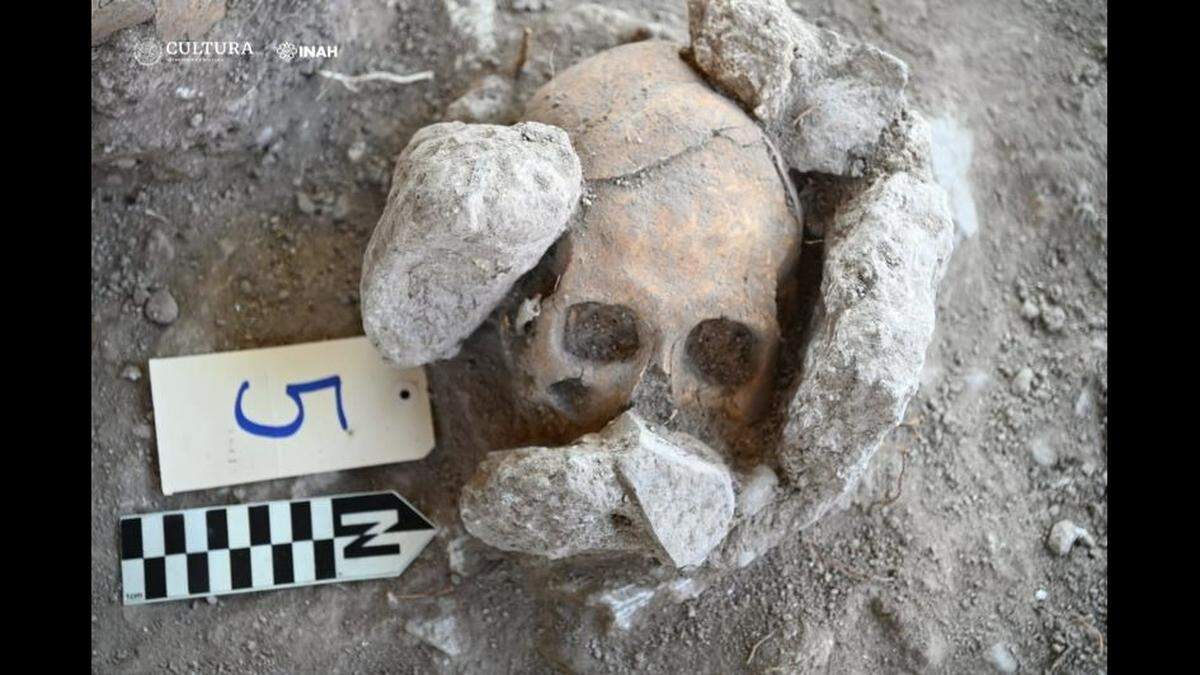
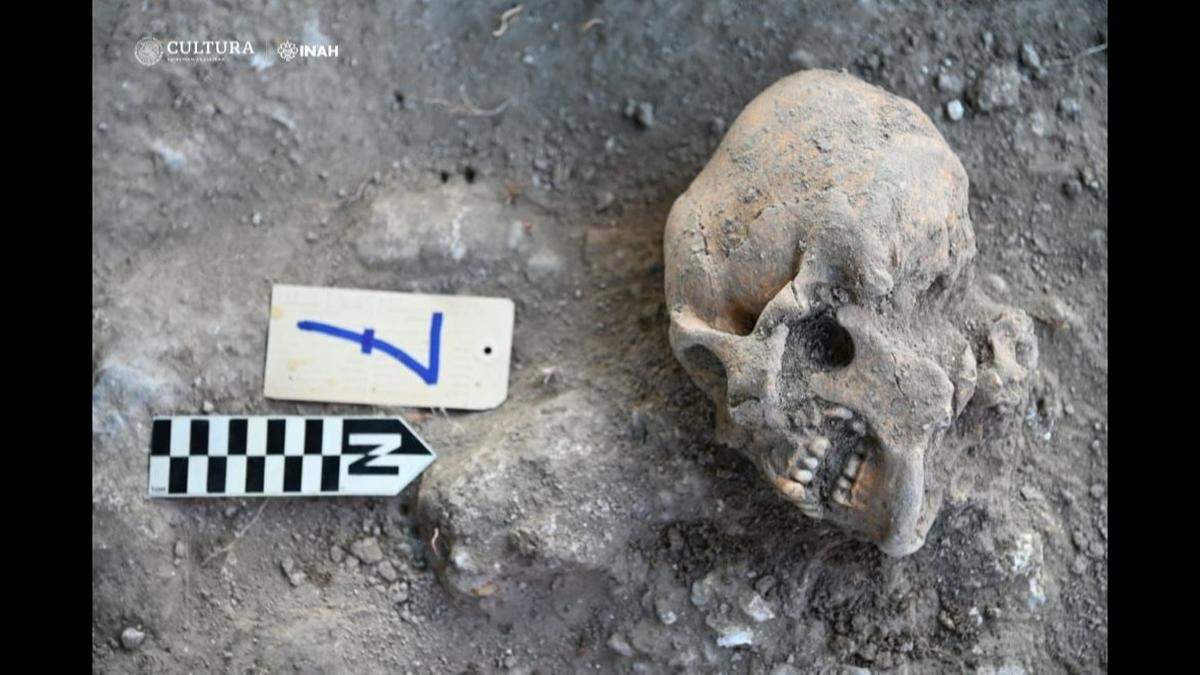
By observing the depth and manner of burial, archaeologists have determined that the burials were likely offerings linked to a Mayan deity as a means of consecrating the temple, according to the institute. Several of the burials were decapitated or dismembered.
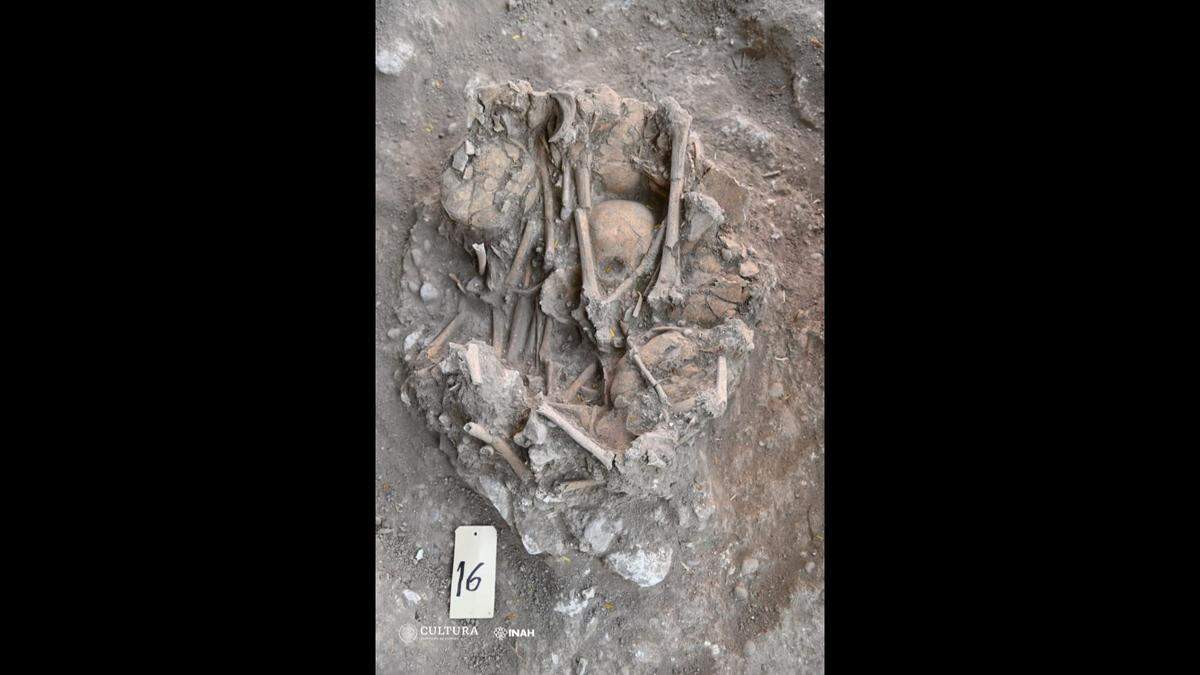
Some of the remains were buried in upright or seated positions, while others had been previously buried and moved to the temple’s burial site, the team said.
Moral-Reforma: a Mayan enclave
The burial site was discovered at Moral-Reforma, which was once a thriving Mayan enclave that functioned as a center for cultural exchange along the banks of the San Pedro Mártir River, the institute said.
The city thrived for centuries starting with its founding in 300 B.C. until about 1000 A.D., according to experts.
The Moral-Reforma Archaeological Project is an ongoing attempt at excavating and understanding the city and its history, the institute said. Archaeologists with the project have begun work on another building after their findings in the temple.
Google Translate was used to translate the news release from Mexico’s National Institute of Anthropology and History (INAH).
This story was originally published April 20, 2023 at 2:22 PM with the headline "Massive burial site tied to Mayan deity is uncovered — with some bodies headless."