Someone buried treasure 1,700 years ago and vanished. Metal detectorist just found it
Perhaps in a hurry or perhaps planning ahead, someone buried a treasure trove but never returned. A metal detectorist in Romania just found it 1,700 years later.
The metal detectorist stumbled upon the buried treasure while searching in Dolj county, according to an April 25 news release from Cosmin Vasile, president of the Dolj County Council.
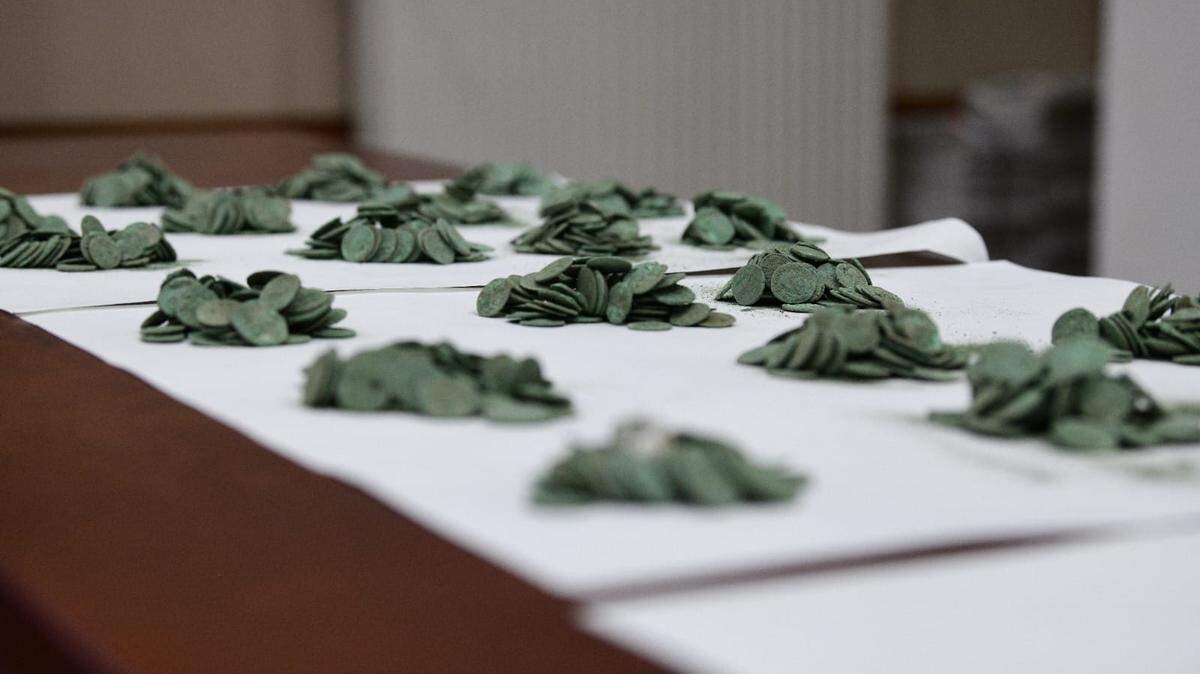
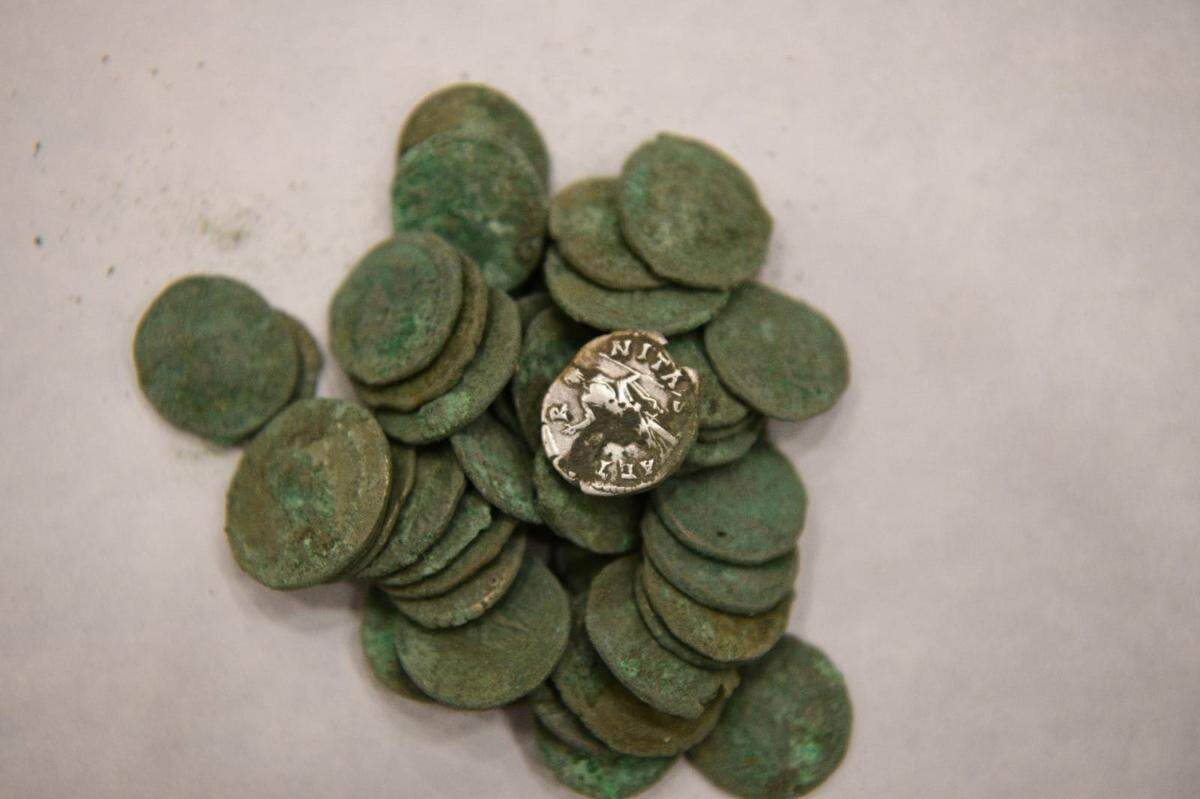
The hidden stash contained 1,168 silver coins from ancient Roman times, the release said. Photos show the piles of tarnished, blue-green discs. One cleaned coin, silvery and shiny, gleams against the surrounding pile. The coin has a central figure holding something in each hand and a ring of text around the edge.
Modern-day Romania was known as Dacia during ancient Roman times and primarily occupied by the Dacians, according to Britannica. Dacian society was divided into upper-class priests and nobility and lower-class soldiers, artisans and agricultural workers.
The Dacians and ancient Romans antagonized each other beginning around 100 B.C. and continuing into the first century A.D., according to Britannica. After several unsuccessful or partially-successful conflicts, the Romans won a decisive victory over the Dacians in 88 A.D., making Dacia a border region for their empire.
Dolj county was part of Roman Dacia, according to UNESCO’s World Heritage Centre. The Roman empire built hundreds of forts, watchtowers and other fortifications across the region as part of their border defense system.
Still, tensions along the border remained high and “the limits of Roman territory were probably never clearly defined,” per Britannica. The Romans ultimately abandoned Dacia around 270 A.D.
The Roman coins like those found in Dolj were commonly used in ancient Dacia, Radu Dumitrescu, an expert with the Oltenia Museum, told the Romanian news outlet Gazeta de Sud. The coins are at least 1,700 years old and were likely buried amid the devastating conflicts in third century Dacia, he said.
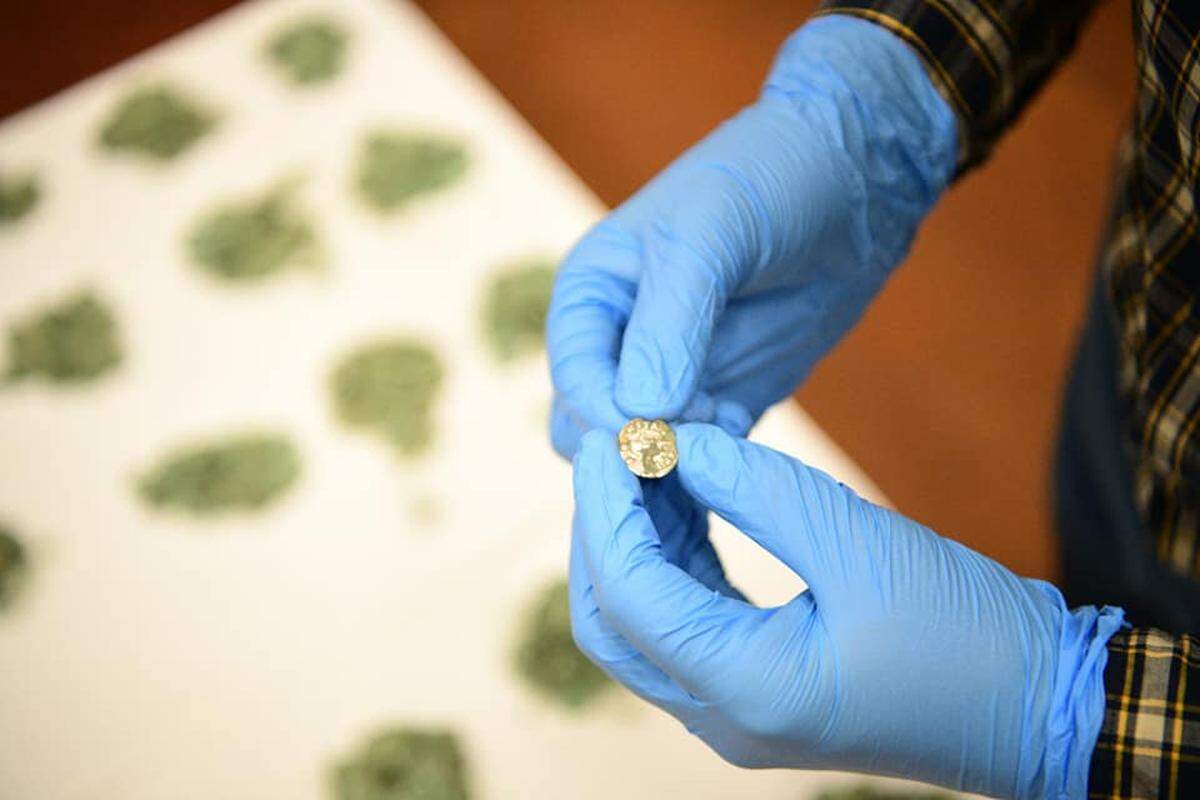
Experts will work on determining the value of the coins as they are cleaned. Afterward, the finds will be preserved at the Oltenia Museum, the release said.
Dolj county is about 150 west of Bucharest and along the Romania-Bulgaria border.
Facebook Translate and Google Translate were used to translate the news release from Cosmin Vasile of the Dolj County Council. Google Translate was used to translate the article from Gazeta de Sud.
This story was originally published May 1, 2023 at 4:33 PM with the headline "Someone buried treasure 1,700 years ago and vanished. Metal detectorist just found it."