Nocturnal predator — with ‘surgical scissors’ on neck — found in China. See new species

In the mountain highlands of China, a snake waits until nightfall to slip out from its leafy hiding place.
As it slithers on the ground in the hunt for a meal, its black body disappears in the darkness.
Instead, all you can see is the outline of surgical scissors on the base of its neck, the last image before it strikes.
The snake is a mountain pit viper — and a new species.
Researchers traveled to the peaks of Yunnan on expeditions in 2018 and 2023 and discovered five of these unique snakes that were collected for testing, according to a study published May 30 in the journal ZooKeys.
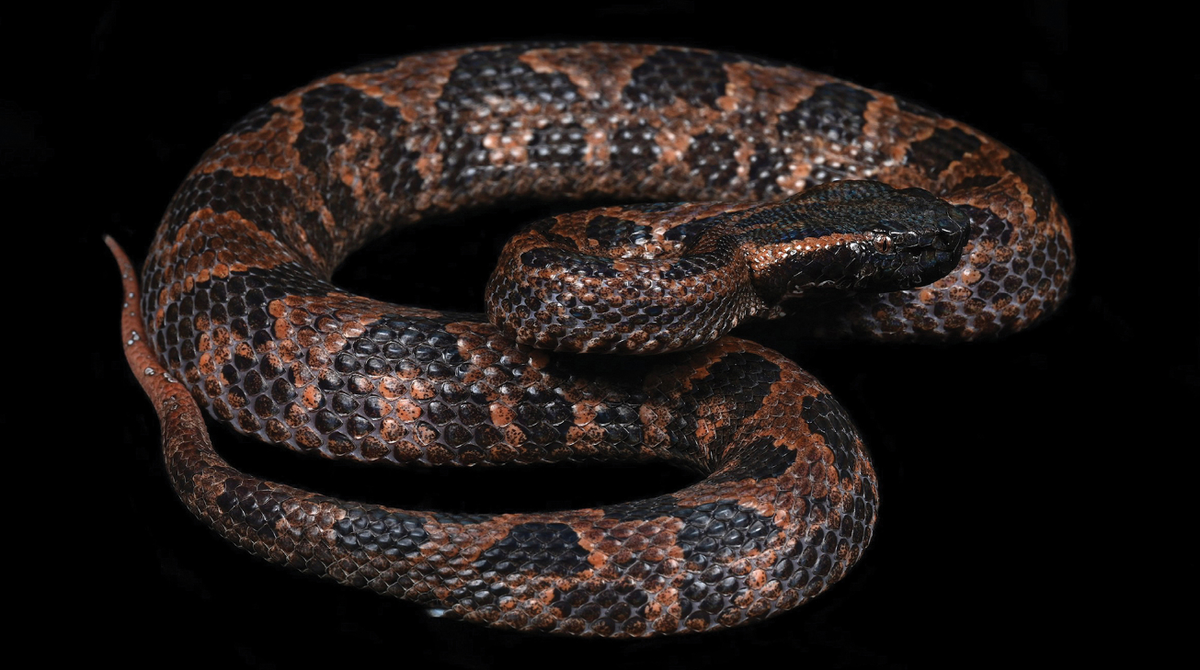
Named Ovophis jenkinsi, after herpetologist Robert “Hank” William Garfield Jenkins, the snake is dark in color with “deep orange-brown or dark brownish-gray markings” on its head and patches in the shape of trapezoids, according to the study.
Its body is generally “stout and robust,” researchers said, and “medium-sized” at more than 20 inches long.
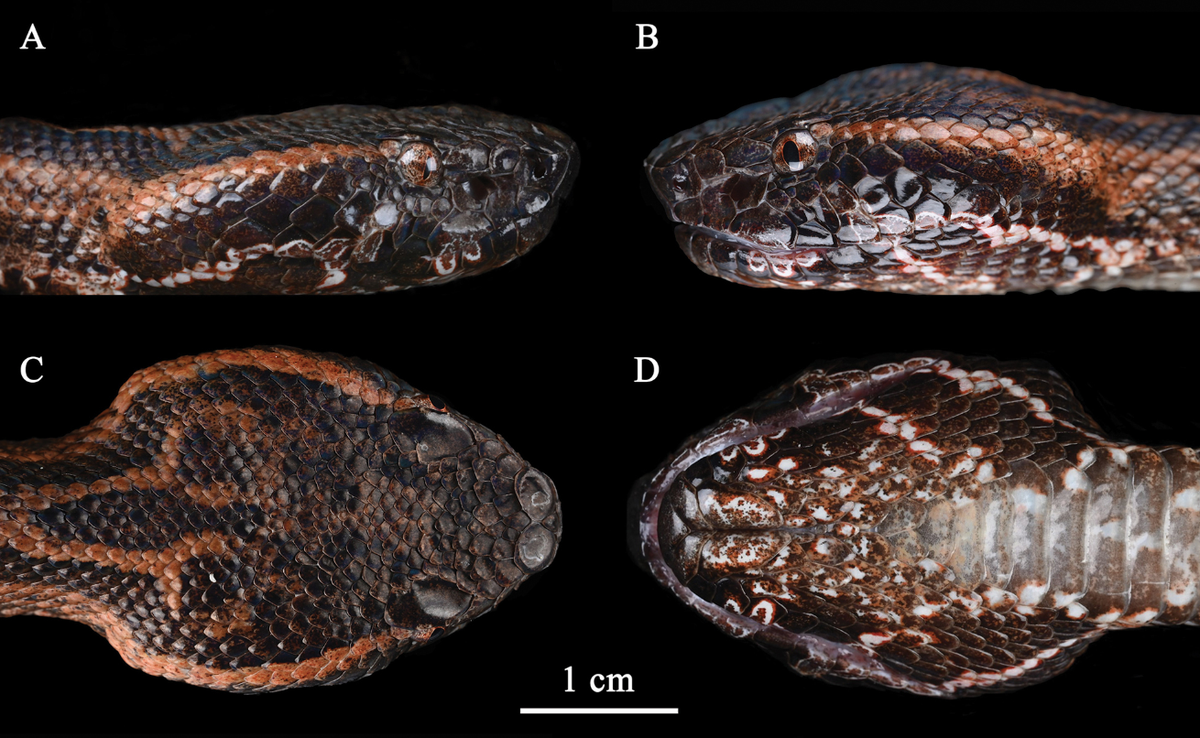
The snake’s snout is “blunt and rounded,” and it can be quickly identified by a pattern on the back of the neck behind its head that resembles “an open pair of surgical scissors,” according to the study.
The new species, a Jenkins’ mountain pit viper, has a wider head than other known species, fewer ventrals, or belly scales, and the trapezoid coloration pattern is also unique, according to the study.
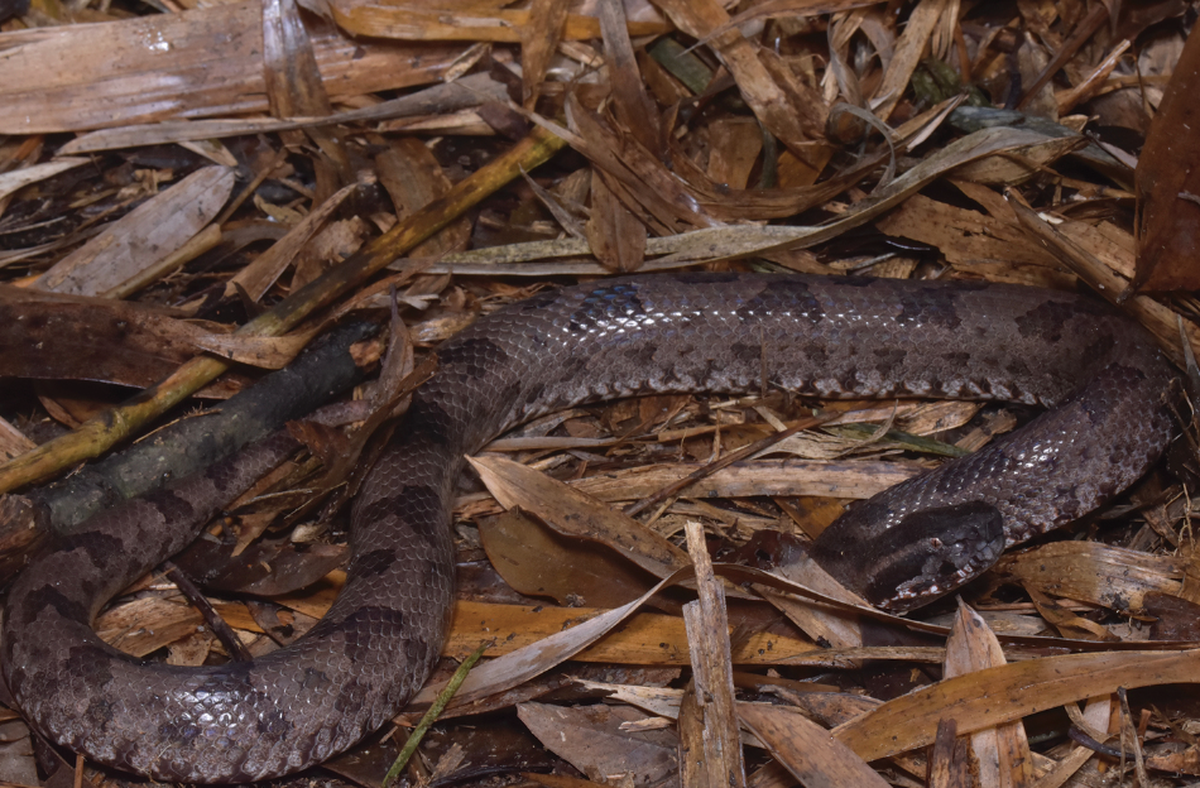
“It was found in the tropical montane rainforest at an altitude of around (4,200 feet),” according to the study. “The new species reaches activity peak in autumn and is active nocturnally during light rain or high humidity, at temperatures around (59 to 72 degrees Fahrenheit).”
The researchers collected the snakes at night in October, they said, and noticed interesting behaviors when the snakes felt threatened.
The snakes “inflate their bodies to make themselves appear larger,” researchers said, and then the pit vipers “strike quickly.”
One snake also released an odor from one of its scent glands when it was captured, according to the study.
“We are currently unsure of the feeding habitat of O. jenkinsi sp. Nov. in the wild,” researchers said. “They fed on juvenile mice in our captivity observations. Therefore, we presume the species prey on small mammals in the wild.”
Researchers said this species is just one of many new snakes that have been discovered near the Yunnan border, suggesting the diversity of snakes in the area might be underestimated.
Yunnan is a province in southwestern China, along the borders with Myanmar and Laos.
This story was originally published May 31, 2024 at 11:50 AM with the headline "Nocturnal predator — with ‘surgical scissors’ on neck — found in China. See new species."