2,800-year-old bakery — with tools and food remains — uncovered in Germany. See it
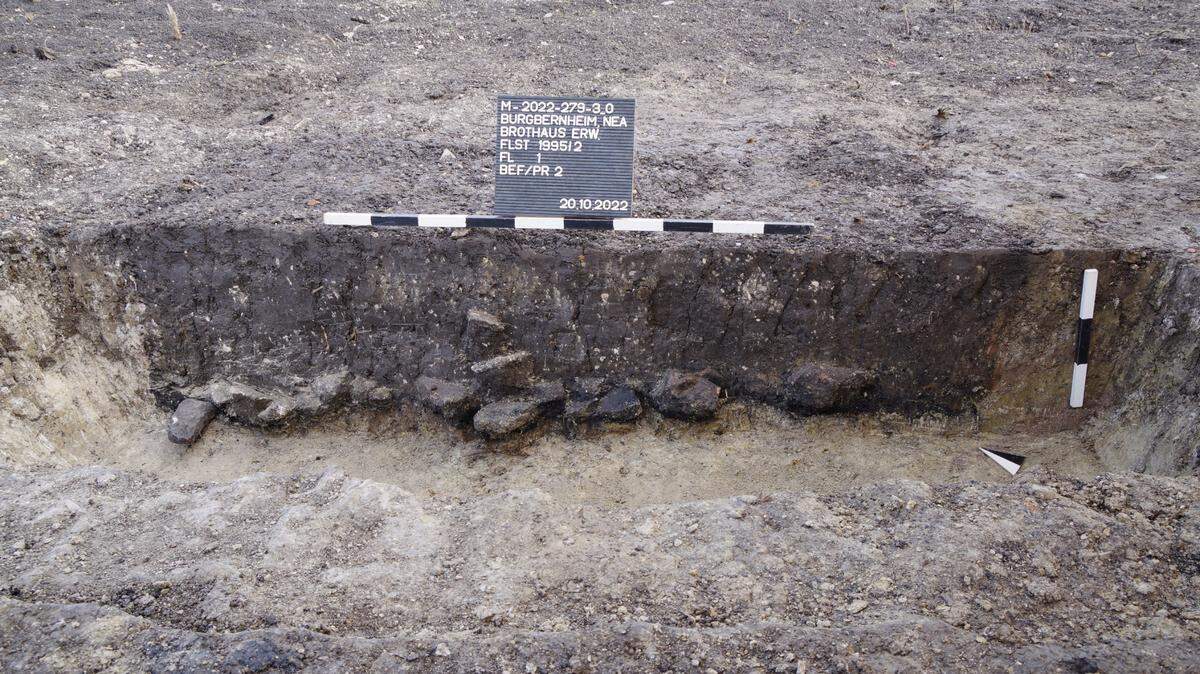
Sifting through the soil of southern Germany, archaeologists unearthed piles of charred remains and a worn-out stone. The mundane-looking finds turned out to be traces of a 2,800-year-old bakery.
Archaeologists began excavating a plot in Burgbernheim ahead of the expansion of a bakery chain, the Bavarian State Office for Monument Preservation said in a Nov. 29 news release. The years-long project uncovered an abnormally large number of ancient cooking pits.
Intrigued, researchers examined the burnt remains and sent them for radiocarbon dating. The results? Archaeologists had found a bakery dating to 800 B.C., or the late Bronze Age and early Iron Age.
Botanical experts identified the burnt remains as being over 80% grains, including oats and spelt, officials said. The food remains also included a type of berry.
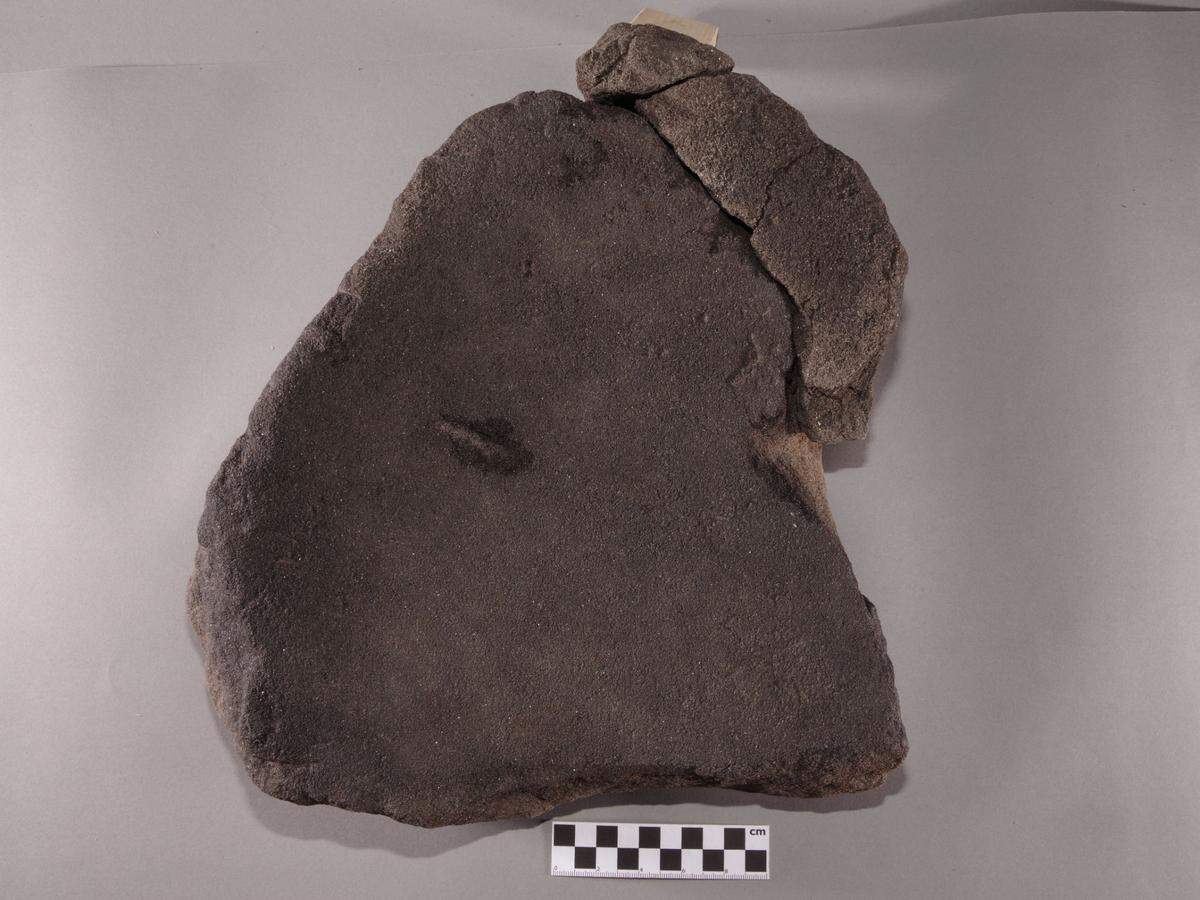
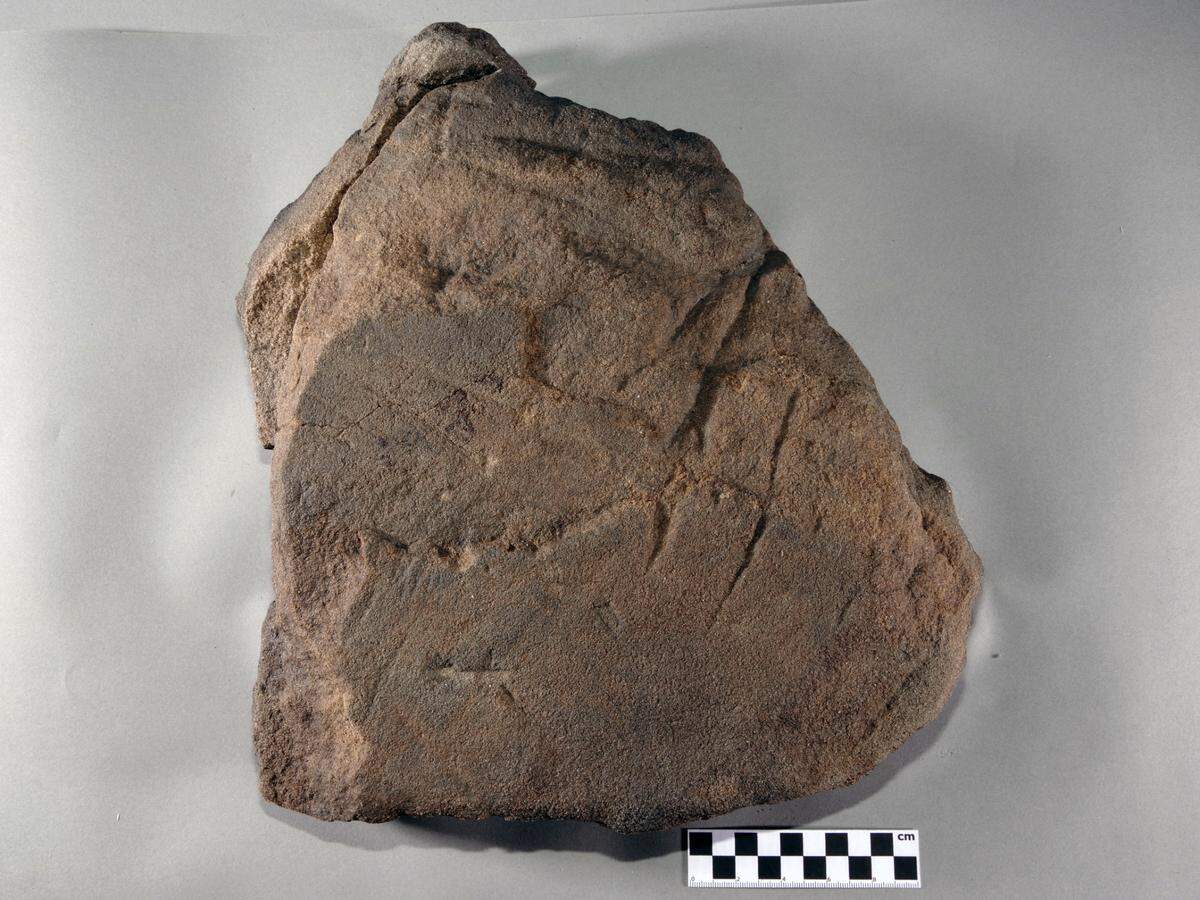
Excavations also uncovered a millstone used for grinding the grain, archaeologists said. Photos show the irregularly shaped stone. Its top is smooth and slightly bowl-shaped; its underside is flat.
Together, the finds suggest grain was already being ground up and baked into breads or doughs 2,800 years ago, officials said.
Stefanie Berg, the department head, described the finds as extremely important for understanding ancient Burgbernheim and consistent with surrounding regions.
Artifacts from the excavation will be taken to a laboratory for further analysis and conservation.
Burgbernheim is a town in southern Germany and a roughly 310-mile drive southwest from Berlin.
Google Translate was used to translate the release from the Bavarian State Office for Monument Preservation.
This story was originally published November 29, 2024 at 1:33 PM with the headline "2,800-year-old bakery — with tools and food remains — uncovered in Germany. See it."