Pink creature was ‘hiding in plain sight’ for over 100 years. See new species

With its “striking appearance,” the pink Carcina quercana, or the oak carcina, is one of the most well-known moths in Europe. Its distinctive external features made it so easy to identify that the last time anyone formally described it in a scientific context was 150 years ago, according to a study published July 31 in the journal Alpine Entomology.
The species, with its extremely long antennae and pink and yellow coloring, was considered “unmistakable,” according to study author Peter Huemer. But for the last 100 years, “hiding in plain sight,” was another species with long antennae and pink and yellow coloring, being misidentified as the oak carcina, according to an Aug. 12 news release from Alpine Entomology.
Carcina ingridmariae is a new cryptic moth species widely distributed throughout the eastern Mediterranean. Unbeknownst to the researchers, it was first described in 1916 but misidentified as the oak carcina, according to the release.
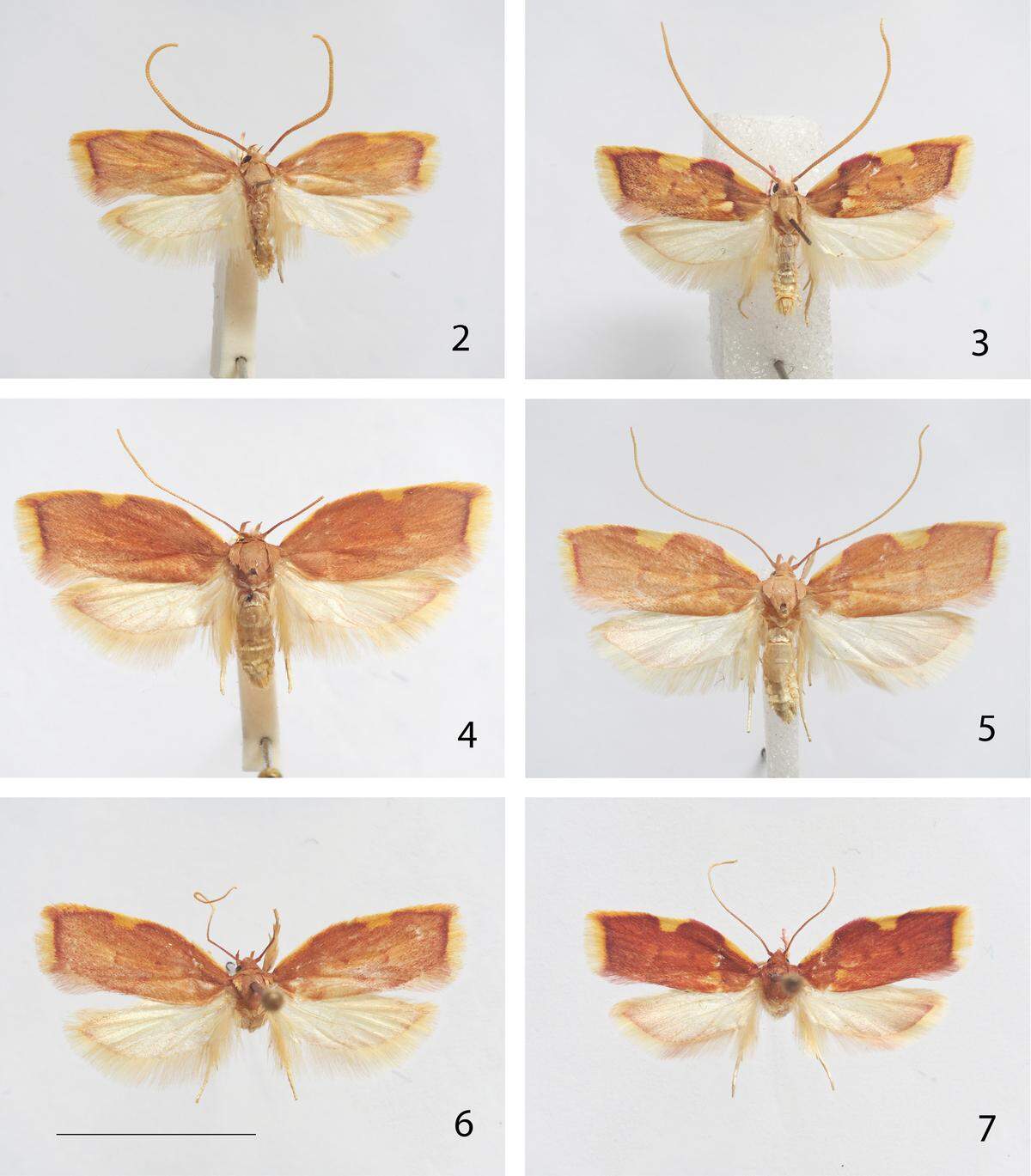
New, more precise molecular identification methods helped Huemer and his colleagues at the Tyrolean State Museum Ferdinandeum discover the new species.
“Upon closer inspection, the two species could not be confused at all, despite the confusingly similar external appearance of the species,” experts said in the release.
Carcina ingridmariae is described as having a pale orange-brown head with some purple coloring, “very long” antennae, yellow and purple legs and fringed wings spanning just over half an inch with yellow, pink, orange and purple tones.
“It is without a doubt the prettiest species I have encountered in my long scientific career,” Huemer said.
That’s a significant statement considering Huemer has described more than 200 species from Europe in 35 years.
On their 42nd wedding anniversary, Huemer named the new species after his wife Ingrid Maria who, he said, “for so many years accompanied and supported me during field work and long hours of analysis in the laboratory.”
This story was originally published August 13, 2025 at 10:25 AM with the headline "Pink creature was ‘hiding in plain sight’ for over 100 years. See new species."