Species that can live 500 years offers warning of North Atlantic ‘tipping point’
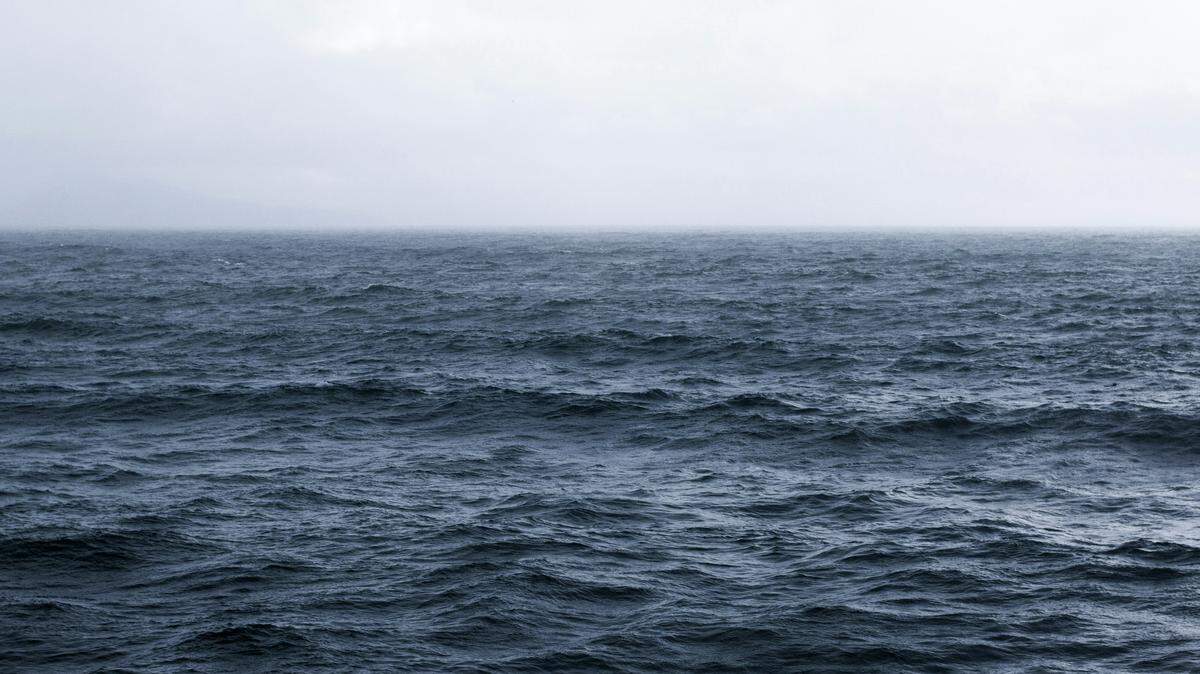
Just as tree rings can tell us how old a tree is and the climate conditions it endured, bivalves like quahog clams and dog cockles can tell a story about the history of the ocean.
And they’re telling us we may be headed for a “tipping point,” according to a study led by the University of Exeter and published Oct. 3 in Science Advances.
Quahog clams can live for more than 500 years and the layers of their shells can give an unbroken “annual record of ocean conditions,” according to a news release from the University of Exeter.
Variations in the layers, which represent growth rates, give a broad picture of ocean conditions from year to year rather than specific details about any given year’s climate, researchers said.
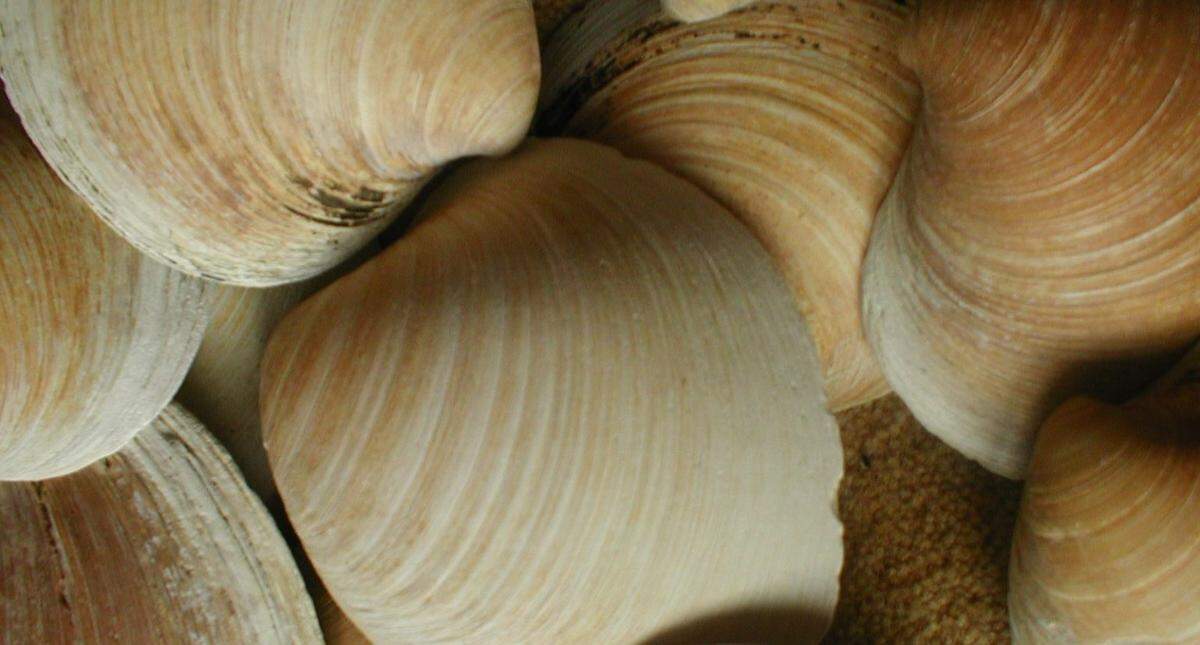
Analysis of the shells, specifically layer widths and isotopic composition, revealed changes in temperature, salinity and ocean currents, according to the study. It also revealed a prolonged period of declining resilience to environmental changes, researchers said.
The slow recovery is known as a “critical slowing down,” according to researchers.
The study found that over the last 150 years, two destabilization episodes occurred in the North Atlantic subpolar gyre and the Atlantic Meridional Overturning Circulation — two critically important systems of rotating currents, both of which “play a crucial role in redistributing heat across the planet, thereby modulating global climate.”
The first destabilization event happened in 1920, and the second — and stronger — episode is happening now and has been happening for the last 75 years.
“When a system destabilises, it doesn’t recover as quickly – and this could be a sign of an approaching tipping point,” Professor Paul Halloran, from Exeter’s Global Systems Institute, said in the news release.
Reaching a tipping point could result in the collapse of these massive ocean current systems, resulting in the weakening of “northward heat transport, potentially triggering regional cooling in the North Atlantic, a more seasonal climate in Western Europe, more frequent extreme weather events, and shifts in global precipitation patterns,” according to the study.
A collapse of the Atlantic Meridional Overturning Circulation “would have major planetary-scale consequences,” researchers said.
“Melting of polar ice due to climate change is certainly contributing to the weakening of ocean currents and pushing them closer to a tipping point, so rapidly reducing greenhouse gas emissions is the best way to prevent tipping points in the Atlantic Ocean,” Dr. Beatriz Arellano- Nava said in the release.
The research team included Halloran, Arellano-Nava, Timothy M. Lenton, Chris A. Boulton, Sarah Holmes, James Scourse, Paul G. Butler, David J. Reynolds, Tamara Trofimova, Pierre Poitevin and Alejandro Román-González .
This story was originally published October 9, 2025 at 4:15 PM with the headline "Species that can live 500 years offers warning of North Atlantic ‘tipping point’."