
NC struggles to find corner stores that want state money for fresh produce
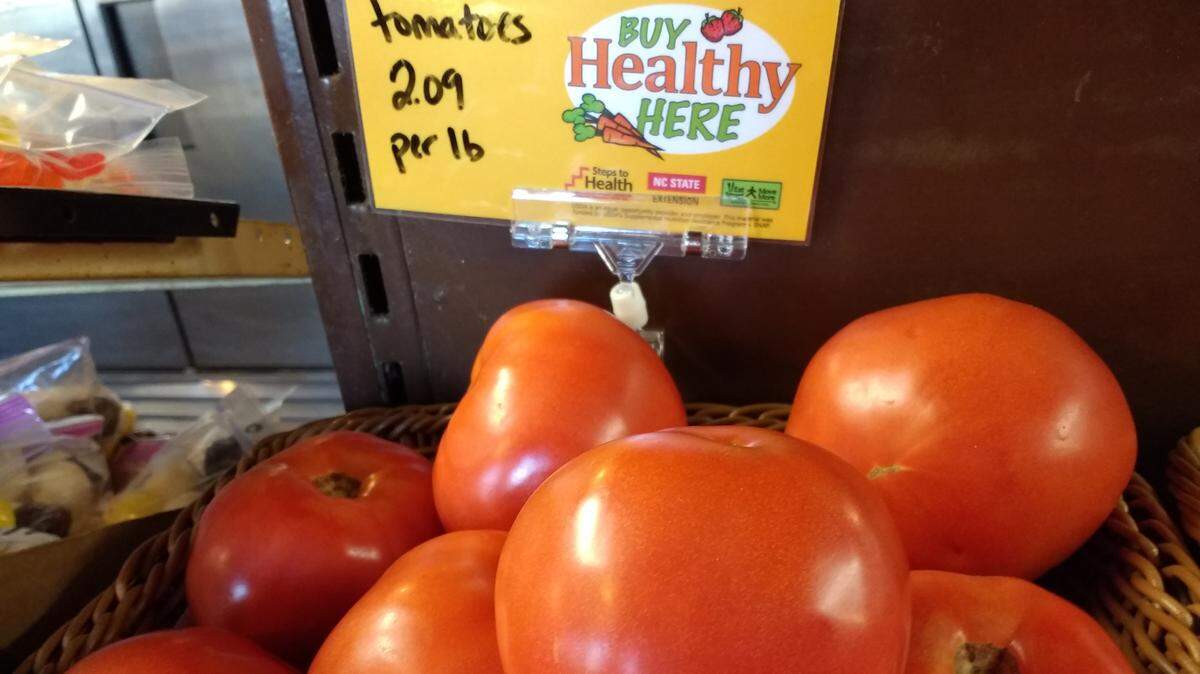
A state grant program to put fresh produce in food deserts has struggled to sign up retailers and still has about $125,000 in unspent funds.
The “Healthy Food Small Retailer Project” was created in 2016 to provide convenience stores in food deserts with coolers and other equipment to sell produce and other healthy items. Legislators have allocated about $700,000 over a three-year period, and so far the program has provided equipment to 11 stores, with five more in the works, according to a report on the program sent to lawmakers earlier this year.
But of the 82 stores that initially applied for the grant, 42 didn’t meet the program requirements and 24 withdrew after learning more about the rules.
According to program administrator Ron Fish at the Department of Agriculture, many convenience store chains “were concerned it was going to add extra work and wouldn’t be consistent throughout their stores.”
The program has also faced stumbling blocks in buying equipment and finding produce suppliers willing to stock tiny stores.
But the participating stores say the program is making a difference.
Fresher food
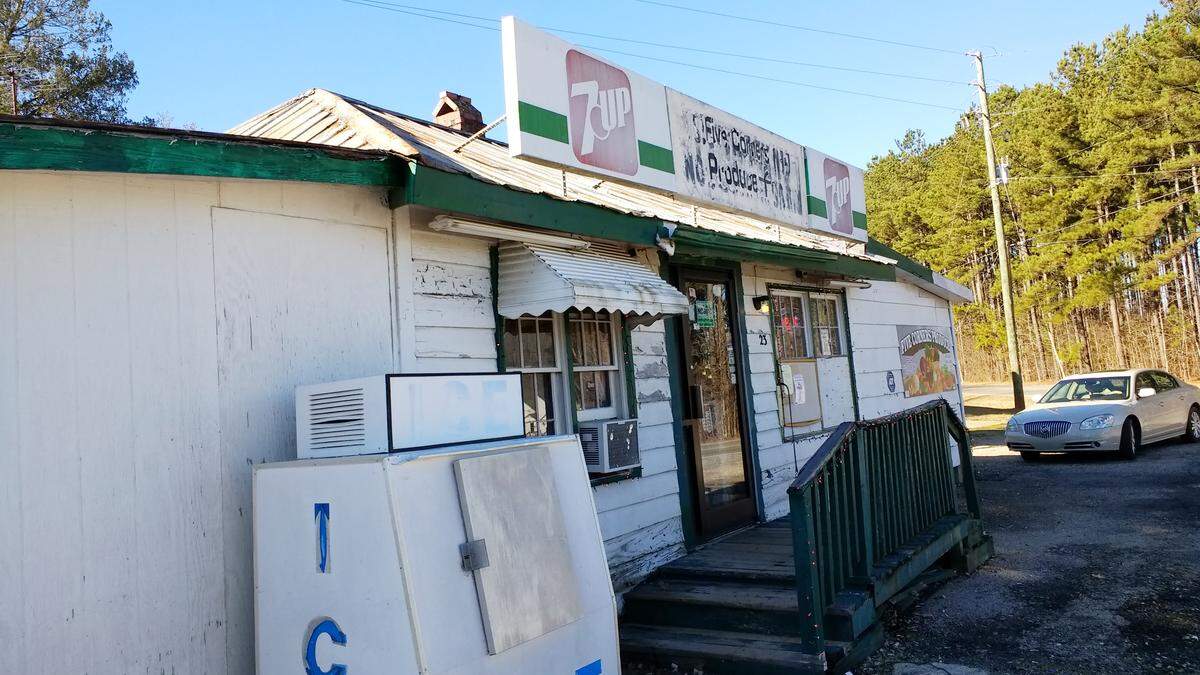
Five Corners Produce has served the Essex and Hollister communities in western Halifax County for the past five years, but most of the fruits and vegetables in the rustic former gas station building sit out at room temperature.
New display coolers will allow store owner Marvlet Lynch to keep the food fresher and show it off to customers. The rural community, which is home to the headquarters of the Haliwa-Saponi Indian Tribe, is a textbook food desert: The nearest full-service grocery store is nearly 20 miles away.
Aside from Lynch’s store, Essex and Hollister have two gas stations and a Dollar General with hardly any fresh produce on sale. The grant program, Lynch said, has “really helped me a lot,” and staff from the agriculture department have provided “a lot of pointers on doing things.” He works with local farmers and has a supplier in Winston-Salem for the winter months.
“I buy locally around here during the summer when I can,” he said. But Five Corners Produce hasn’t gotten the full benefits of the grant yet, because one of its new coolers has been broken since shortly after it arrived, and a contractor has been promising the Lynch family a new part for months.
Buying coolers has been a problem for the overall program, according to the report. Each store has a different layout that requires different types of coolers, and “obtaining quotes for custom equipment was more complex than anticipated.”
Delivery problems
Finding a reliable supplier for the produce proved even harder. The suppliers who stock convenience stores with soda and snacks often don’t offer produce, and suppliers that do won’t take on small stores in isolated locations. Finding a workaround can be problematic.
“For produce to be appealing, it needs to be fresh which requires stocking 2-3 times a week,” the report said. “If commercial delivery is not available, this creates burden on the retailer who must personally drive to find sources.”
Tracking how much produce is sold through the grant program is also a challenge. Most participating retailers don’t report sales figures, so East Carolina University researchers have been been surveying customers at participating stores and non-participating convenience stores.
“These stores are small so they can’t afford expensive point of sale software to track sales,” said Stephanie Jilcott Pitts, a professor in ECU’s Department of Public Health who led the study. Research on the program will continue in 2020, and so far the surveys haven’t found any major changes in customers’ purchasing habits, but that “could be related to not having a large enough sample size of stores,” Pitts said.
Unspent grant money
The corner store produce program wasn’t allocated any new money for the current fiscal year in the vetoed budget proposal. The Department of Agriculture’s 2019 report calls for changes to the law if lawmakers decide to continue the initiative.
The report says retailers shouldn’t be required to accept WIC benefits, the federal program that helps mothers of young children buy food.
“All of the baby products are expensive and you have to stock them” to participate in WIC, Fish said. “In some cases, we’re looking to move the needle — we’re not looking to provide 100% selection.” The report also calls for more staffing dedicated to the program and more flexibility in how funds can be used.
One of the more recent grant recipients, Steve Gilbert of Alimentaire Wholesome Breads in Tarboro, also says the program needs tweaks. He runs a downtown bakery that partners with local farmers to sell fresh produce.
Because Alimentaire isn’t a convenience store, “it’s been a little bit challenging to stay within those guidelines,” he said. With the new coolers, Alimentaire is providing grab-and-go salads along with other produce and its sourdough breads in a food desert where the nearest grocery is a mile away.
But Gilbert said the program needs an educational component, because many of the surrounding neighborhoods don’t know about what the shop offers or the benefits of making healthy food choices.
“It’s a good first step but it’s very limiting,” Gilbert said. For now, the agriculture department is looking to find recipients for the remaining $125,000 in grants. “We hope to get equipment in possibly four additional stores before the spring season,” Fish said.
For more North Carolina government and politics news, listen to the Domecast politics podcast from The News & Observer and the NC Insider. You can find it on Megaphone, Apple Podcasts, iHeartRadio, Stitcher or wherever you get your podcasts.