
Marc Basnight, one of NC’s most powerful Senate leaders, has died
Marc Basnight, arguably the most powerful state legislator in North Carolina’s history, died Monday at age 73.
Basnight died peacefully and surrounded by family after a long battle with ALS, also known as Lou Gehrig’s disease, his family said in a statement Monday night.
Just a day earlier, in a public Facebook post, his daughter Caroline Basnight asked for extra prayers for her father. She didn’t offer details but said they had spent Christmas together.
Basnight’s family said in the statement that the longest-serving legislative leader enjoyed public service because it gave him the ability to connect with other people.
“He often drove to communities all across the state, stopping at local businesses and historical sites where he would talk to other North Carolinians about their lives and opinions,” the Basnight family wrote. “When he wasn’t tending to his Senate duties, Basnight could often be found working at his family’s restaurant, the Lone Cedar Café.”
North Carolina political leaders, including Sen. Phil Berger and two former senators, Gov. Roy Cooper and Attorney General Josh Stein, issued statements Monday night to express sadness, remember Basnight’s work and offer his family their prayers.
Cooper ordered flags to be lowered to half-staff until sunset on New Year’s Day to honor Basnight.
“North Carolina lost a giant today with the passing of my friend, Senator Marc Basnight,” Cooper said. “His positive influence on our public universities, transportation, environment and more will be felt for decades. A man of great power and influence, his humble, common touch made everyone he met feel special, whether pouring them a glass of tea in his restaurant or sharing a pack of nabs at a country store. He believed in North Carolina and its people, and our state is stronger because of him. Our prayers are with Vicki, Caroline and the whole family.”
“Sen. Basnight and the institution of the Senate are in many ways inseparable,” said Berger, the Republican who succeeded Democrat Basnight as Senate leader. “He left his mark on the body, and therefore the state, over his nearly two decades of leadership. Sen. Basnight loved people. I used to hear that he’d stop along the way from the Outer Banks to Raleigh just to speak to strangers and hear what they had to say. He loved people, and they loved him back.”
Berger said Basnight conducted their transition in 2011 with grace, sparing no effort and denying no requests.
“He could wage political battle with the best of them, but he always put the institution of the Senate, as a symbol of the people’s representative government, first,” Berger said.
Outer Banks origins
Governors, U.S. senators, university presidents and Cabinet secretaries came and went. But Basnight was a constant – a poorly educated, inarticulate Eastern North Carolina country boy to whom the high and mighty paid court.
No state budget passed without his approval during his unprecedented 18 years as Senate leader. Buildings rose from the red clay soil on college campuses at his command. After losing his wife to cancer, the UNC Cancer Hospital was erected. Descending from generations of Outer Bankers, he made sure that millions of dollars were poured into protecting clean water.
He didn’t do it alone. He was country shrewd. He lived and breathed politics, helping elect governors and lawmakers, chatting up customers at his restaurant, bullying bureaucrats and learning to read people like a book.
The late Senate Majority Leader Tony Rand of Fayetteville, who died earlier this year, was Basnight’s longtime political partner. In 2016, Rand called Basnight “the happy warrior.” Did Basnight like politics?
“Oh Lord, what are you talking about? Yes sir, buddy,” Rand said then. “He sure did. He loved the challenges. He loved people. He loved the process.”
It was an unlikely journey. Basnight grew up in modest circumstances in what was then one of the poorest, most isolated parts of the state. All his life, Basnight would retain the hoi toider accent of an Outer Banker.
“In those days,” Basnight once recalled, “you couldn’t get to the Outer Banks from North Carolina. We had no connection to the state. It was all Tidewater, Virginia. The drive to Raleigh was probably about six hours, and you had no reason to come here.”
Actually, people had long been making the trek to the Outer Banks to enjoy its windswept remoteness. Some of them went to see the outdoor drama, “The Lost Colony,” which featured Basnight’s mother, Cora Mae.
Famous politicians including Lyndon Johnson and Hubert Humphrey would sit on her front porch. Fellow actor Andy Griffith rented a home from the family — and would later help Basnight make TV ads for Democratic candidates.

Basnight and his brother took over his father’s struggling construction business – his father and mother were separated when he was young. He was hired to build a beach house for Walter Davis, a cigar-smoking millionaire who had returned home after making his fortune in the Texas oil fields. Mr. D, as Basnight always called him, became his mentor, giving him a subscription to The Economist, a British magazine, so he could begin the process of self-education.
“I watched him grow up,” Davis said before he died in 2008. “I just knew he was going to amount to something. Everybody liked Marc. So I kept my eye on him.”
He also helped arrange a $50,000 loan to help Basnight’s business out of some financial trouble. It began one of the most famous partnerships in North Carolina politics – two self-made men who would use their money and power to help build the University of North Carolina system.
“I looked up to him,” Basnight said. “He was a father. He was a mentor. He was a leader like none other. He had a new idea every day.”
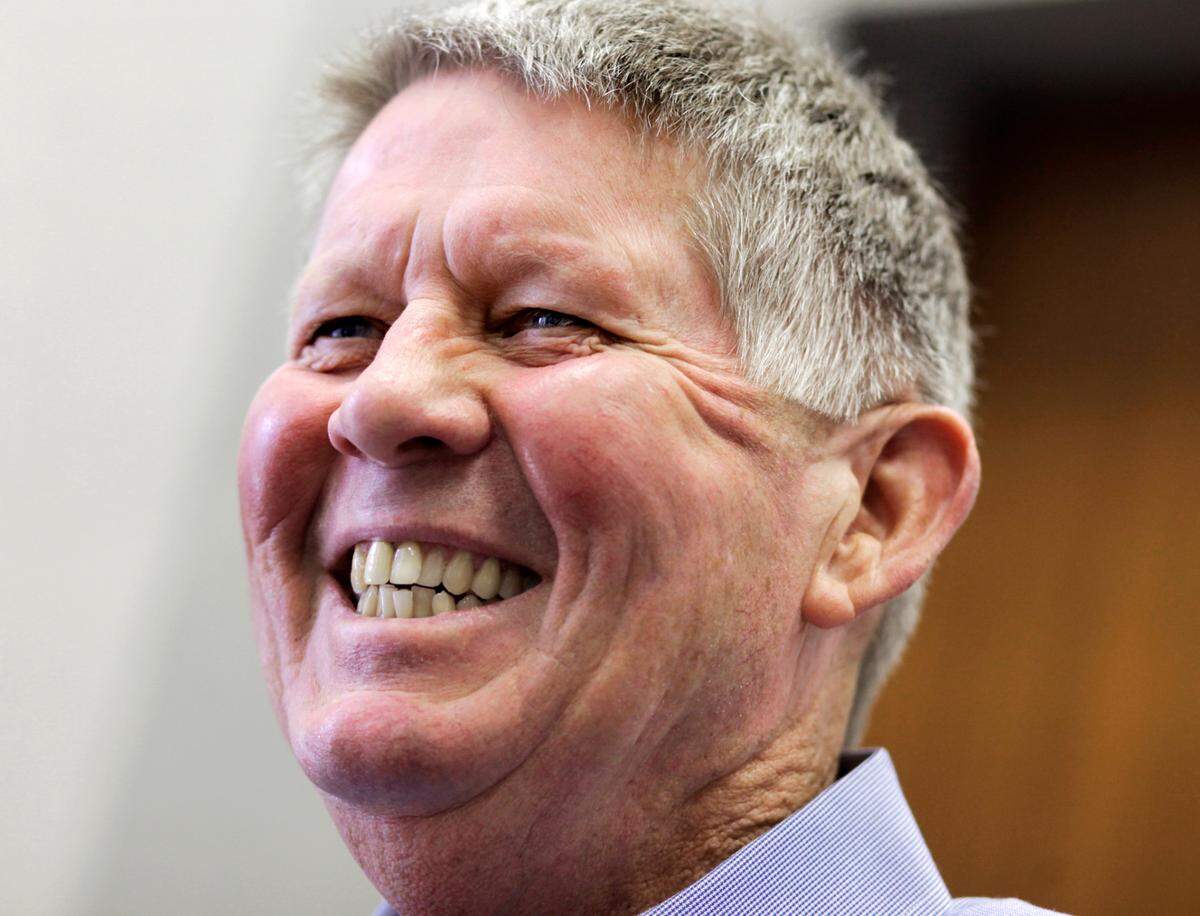
‘Common man to a T’
Basnight entered politics in 1977 as a member of the state transportation board and a fundraiser for Democratic Gov. Jim Hunt, and in 1984, he was elected to the state Senate.
A barrel-chested, squinty-eyed former high school fullback, Basnight moved up quickly. He worked hard, he had a gift for getting along with people, and instinctively understood how to make the political system work. Long-range thinking was not his long-suit, but few could count votes like Basnight.
“God gave Marc a gift,” said Bobby Owens, his uncle who was a local Dare County Democratic politician. “Some are gifted with looks, some with intelligence. He gave Marc the ability to communicate and talk to people and not talk down to them. He’s the common man to the T.”
Basnight’s rise was helped by two events. When voters elected Jim Gardner, the first Republican lieutenant governor, in 1988, the major powers were shifted to the Senate president pro tempore, a position that Basnight assumed four years later.
During the Republican landslide of 1994, the Republicans came within one vote of winning control of the state Senate. (They captured the House.) That prompted the Democratic Senate caucus to bind together into a tightly knit caucus, going behind closed doors for important decisions, and setting up a professional political operation.
Basnight built the state’s last powerful Democratic machine. His protégés include former Gov. Bev Perdue, former U.S. Sen. Kay Hagan, and former Lt. Gov. Walter Dalton. He was also instrumental in getting Mike Easley elected governor. And he played an important role in making sure that Erskine Bowles became UNC president.
“Marc has so much more power than the governor, the governor doesn’t even recognize it,” Davis once remarked. “As long as you control the money, you have the power. It’s the golden rule – those that got the gold, rule.”
Basnight would wield extraordinary power through the caucus, so that governors came to him to get their programs approved.
Basnight said he didn’t have a philosophy; he operated issue by issue, based on his gut instincts. His record was supportive of public education, the environment and developing the poorer areas of the state. He described himself as a conservative, acknowledged voting across party lines for Sen. Jesse Helms and said he was pro-life on abortion.
Championed UNC, Outer Banks
He pushed through a $3.1 billion higher education bond issue – the largest such bond issue in American history at that time. A devoted reader, Basnight became the university system’s leading champion.
After his wife, Sandy, died of cancer in 2007, Basnight championed the construction of the UNC Cancer Hospital and the Biomedical Research Imaging Center in Chapel Hill. He also created the University Cancer Research Fund, a $50 million annual investment in research to improve diagnosis, treatment and outcomes for cancer.
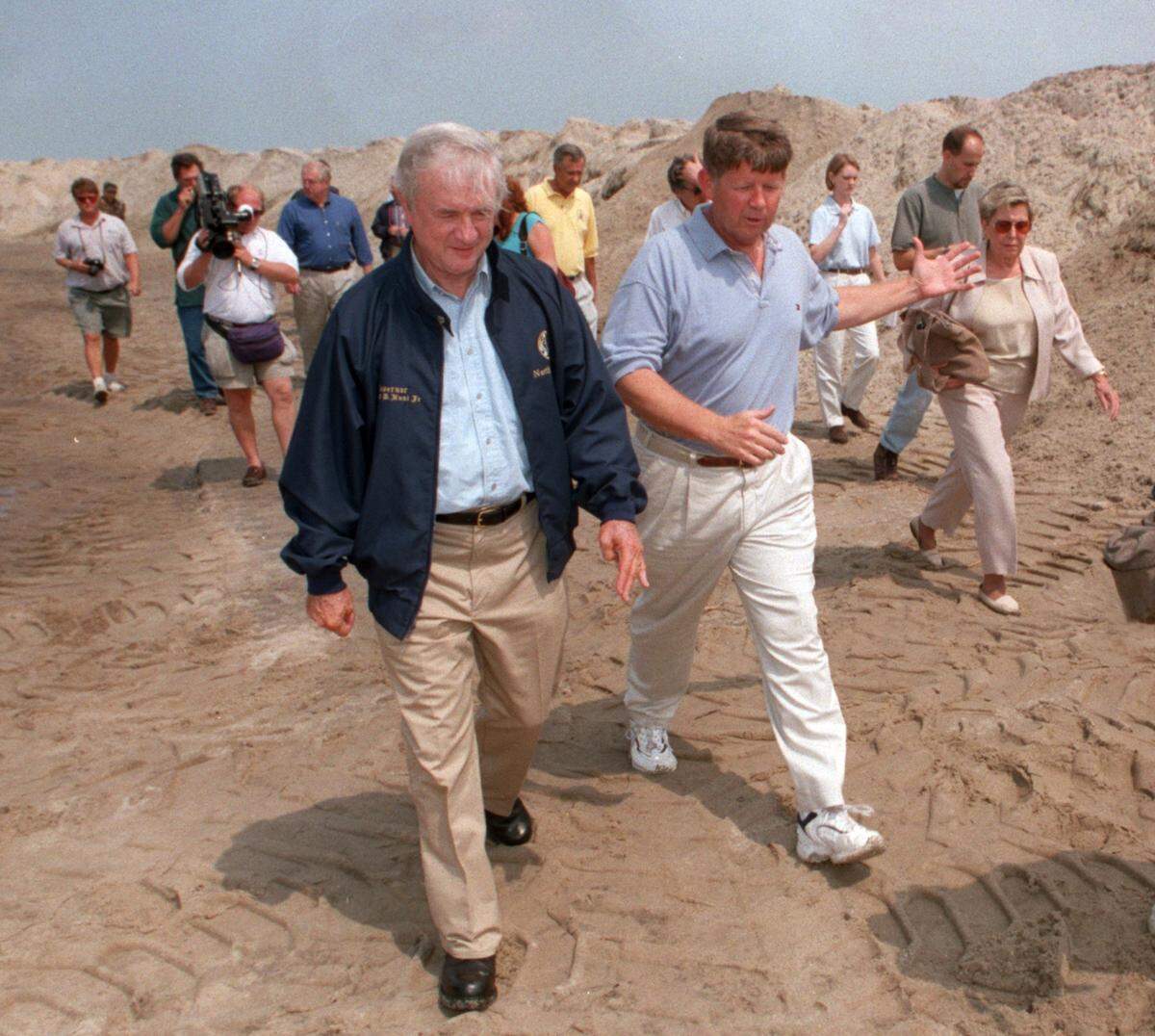
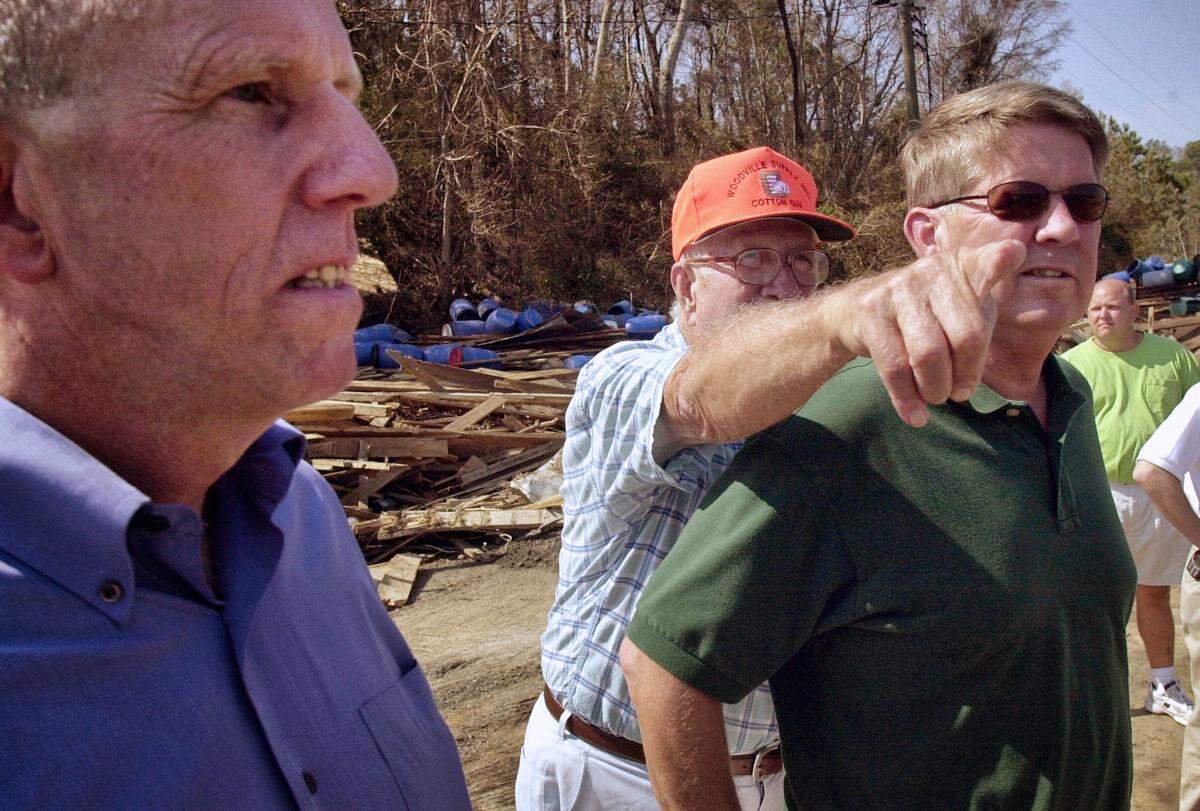
Basnight also took home a huge amount of political pork to his eight-county district, which is the size of Connecticut.
Meandering country roads – including U.S. 64, 264 and 158 – blossomed into four-lane highways. At least four new prisons were built in his district. A $16 million aquarium near Manteo, a $12 million museum on the Elizabeth City waterfront and a $1 million bike trail for the town of Manteo are also part of his legacy.
He would push state agencies to hire local people. He could be both charming and had an explosive temper. Pity the state official who Basnight felt was not being responsive. His feuds were famous – with Easley and with Dana Cope, the former executive director of the state employees’ association, among others.
Critics panned his legislative trickery, such as in 2005 when he scheduled a key lottery vote when two wavering Republican opponents were out of town.
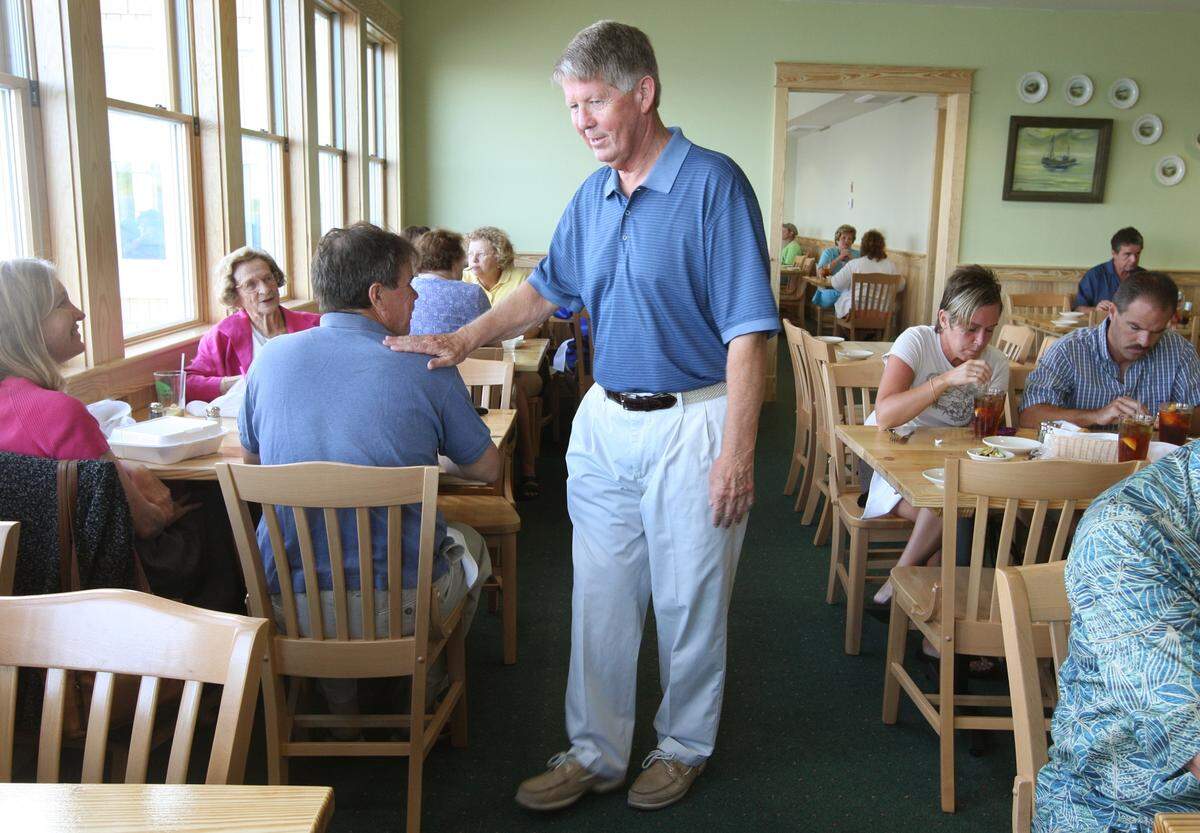
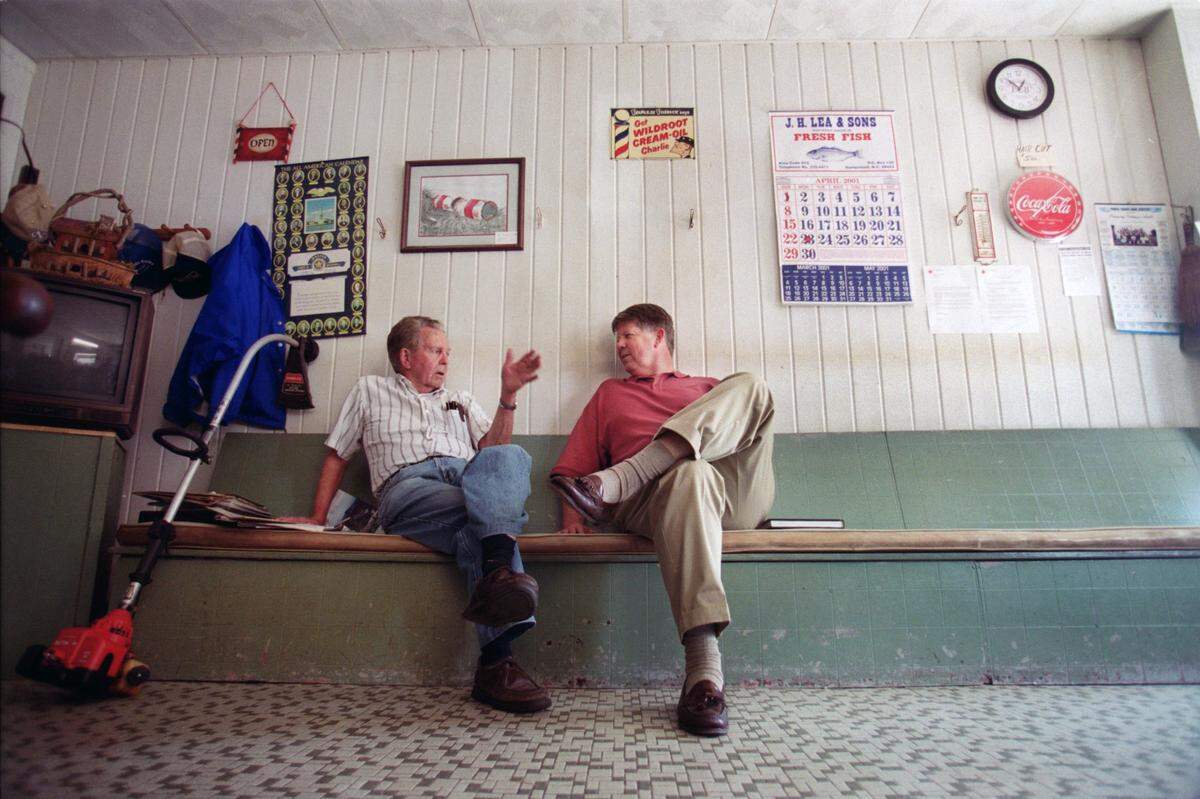
But he was also among the most accessible of public officials. He never had an entourage. Anybody could find him on weekends at his Manteo restaurant, the Lone Cedar Cafe, where he would serve them iced tea and chat. Basnight made a point during his commute between Raleigh and Manteo of regularly stopping in gas stations and stores and talking to people – it was important for him to stay politically connected.
Although his instincts were those of a moderately-conservative small town businessman, Basnight was a shrewd coalition builder, willing to bring women, African Americans and progressives into his governing coalition. It allowed him to survive as the Democratic Party became more liberal.
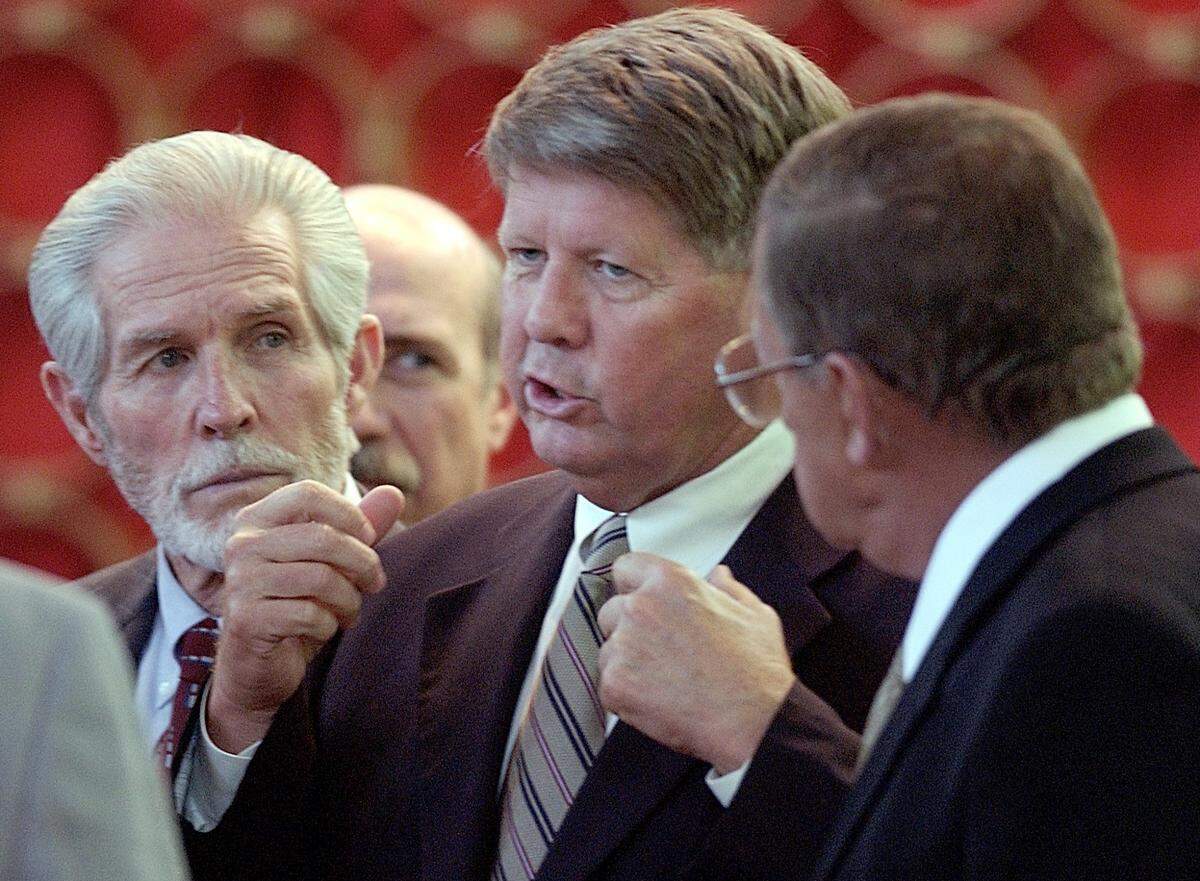
Some questioned whether his unprecedented tenure was good for the state.
“He stayed too long,” wrote former Charlotte Observer columnist Jack Betts. “His re-election to the Senate and as the Democrats’ top leader certainly brought consistency and stability to the legislature. But it also brought stagnation, blocking the election of other competent legislators in his own party to top leadership posts and depriving the state of fresh ideas about how things should be done.”
When Republicans won control of the legislature in November 2010, it ended Basnight’s run. In January 2011, Basnight announced he was resigning his seat. He was facing a motor neuron disease that affected his balance and his speaking, and which later was diagnosed as Lou Gehrig’s disease or amyotrophic lateral sclerosis, a fatal neuromuscular disease.
His withdrawal from public life was almost total, and startled his friends. He no longer came to Raleigh, not even to accept awards. He largely stopped giving interviews.
“You won’t see me back here,” Basnight said.
And the Outer Banker was true to his word, walking away from the world of power and politics without looking back.
This story was originally published December 28, 2020 at 6:27 PM.