‘Our mamas can’t wait.’ NC leaders push to address deadly disparities for Black moms.
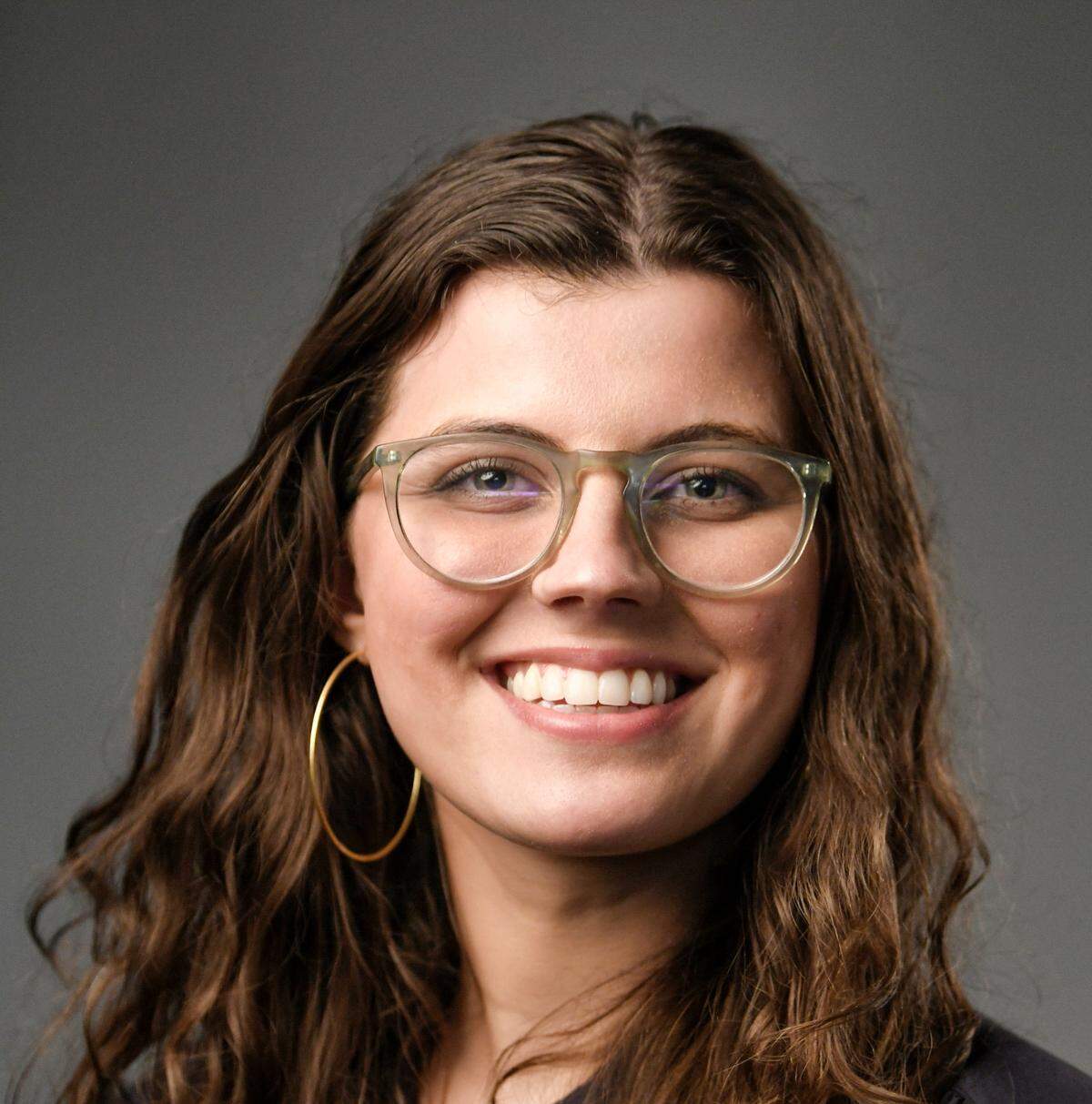
Nana Asante-Smith had heard so many stories about Black women’s poor maternal health care experiences and outcomes that she resigned herself to not having children.
“Debilitating fear,” she called it.
That anecdote is backed up by numbers. Black women are nearly three times more likely than white women to die during or as a result of childbirth.
So when Asante-Smith, a lawyer who chairs the Durham Mayor’s Council for Women, did choose to become pregnant, she asked her caregivers to ensure that she and her son survive the experience.
“I implored them that we must walk out of the hospital alive,” she said. “It is a shame that experiences like this are not unusual for Black women.”
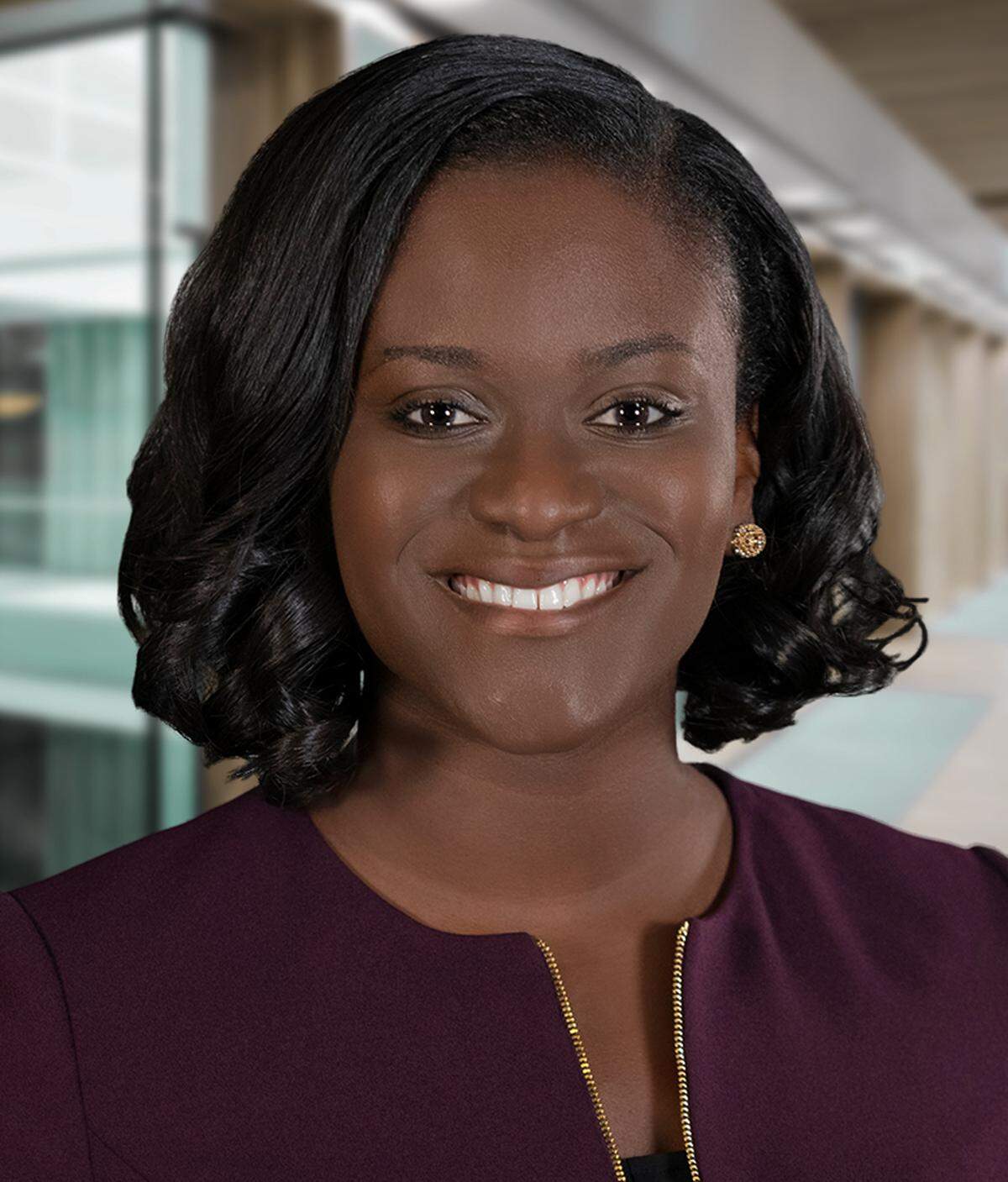
Asante-Smith spoke in a news conference Wednesday, when Action NC’s Race and Gender Equity initiative launched a Black Maternal Health campaign. The group emphasized its commitment to “positively impacting the outcomes of Black maternal health in the state of North Carolina,” said senior advisor Naomi Randolph.
The announcement came the same week that U.S. Rep. Alma Adams, a Charlotte Democrat, announced the reintroduction of a congressional package of 12 bills related to Black maternal health.
Adams and supporters are calling the group of bills a “Momnibus.” Adams and U.S. Rep. Lauren Underwood, an Illinois Democrat, are co-chairs of the U.S. House’s Black Maternal Health Caucus.
Maternal mortality in US
Adams introduced a similar package with then-Sen. Kamala Harris of California last year shortly before the coronavirus pandemic upended American life and stalled most legislation. The new package includes three additional COVID-related measures.
“These terrible inequities in our society and in our health care systems have stolen countless moms from their children. For every mother lost, there are hundreds of near misses,” said Adams, who said her own daughter almost lost her life after giving birth because a physician overlooked complaints of abdominal pain.
“Not listening to the needs and the dismissal of her pain almost cost my daughter her life,” she said at her own news conference last week to introduce the legislation.
Adams cited the cases of Kira Johnson, who died after giving birth in 2016 in California, and Amber Isaac, who died in April during childbirth and complained about her doctors on social media.
“We’re going to get this done for Black mamas because our mamas can’t wait,” Adams said.
A 2020 study from the Centers for Disease Control and Prevention found the maternal mortality rate for non-Hispanic black women is 37.1 per 100,000 live births, well above the rate for non-Hispanic white women (14.7) and Hispanic women (11.8). The rate for Native American women was 28.3.
The report was based on 2018 data, which found that 658 women died.
In North Carolina, 13 women died, a rate of 10.7 per 100,000 live births, according to CDC data.
Black women with a college degree are more than five times as likely to die during childbirth as their white counterparts, according to CDC data from 2006 to 2017.
Maternal mortality is defined as deaths of women while pregnant or within 42 days of being pregnant or from any cause related to or aggravated by the pregnancy or management of it. Deaths from accidental or incidental causes, including accidents, homicides or suicides, are not included.
“We are the wealthiest nation on the planet Earth, but yet we have maternal mortality rates that are stunningly at the bottom of the wealthiest nations in terms of of outcomes and health outcomes,” said U.S. Sen. Cory Booker, a New Jersey Democrat and leader of the effort in the Senate. “And when it comes to people of color, and birthing people of color, the record is even more shameful.”
Included in the package are bills designed to provide funding to organizations that are working on maternal health, promote maternal vaccinations and expand and diversify the pool of people who care for moms and babies.
Bills in North Carolina
North Carolina state Sen. Natalie Murdock, a Democrat from Durham, said that Adams and Harris, who is now vice president, inspired her to make improving Black maternal health outcomes part of her campaign platform.
In the 2020 legislative session, Murdock filed a bill that would have allowed doula services to be covered by Medicaid. The legislation did not receive a vote.
Doulas provide support and guidance to mothers and families during pregnancy, labor, delivery and postpartum. Studies show doulas can improve birth outcomes; labor support can also provide cost savings to Medicaid programs.
“We want to continue to build upon this work by taking that previous bill that was filed last cycle and file that again this biennium, and to also title it North Carolina’s version of a ‘Momnibus’ bill,” Murdock said.
Rep. Julie von Haefen, an Apex Democrat, and Rep. Zack Hawkins, a Durham Democrat, plan to sponsor a bill in the House, Murdock said. Sen. DeAndrea Salvador, a Charlotte Democrat, will join Murdock in filing a bill in the Senate.
For more North Carolina government and politics news, listen to the Under the Dome politics podcast from The News & Observer and the NC Insider. You can find it on Spotify, Apple Podcasts, Stitcher, iHeartRadio, Amazon Music, Megaphone or wherever you get your podcasts.
This story was originally published February 10, 2021 at 2:58 PM.