New required NC summer school program will address COVID learning loss for students
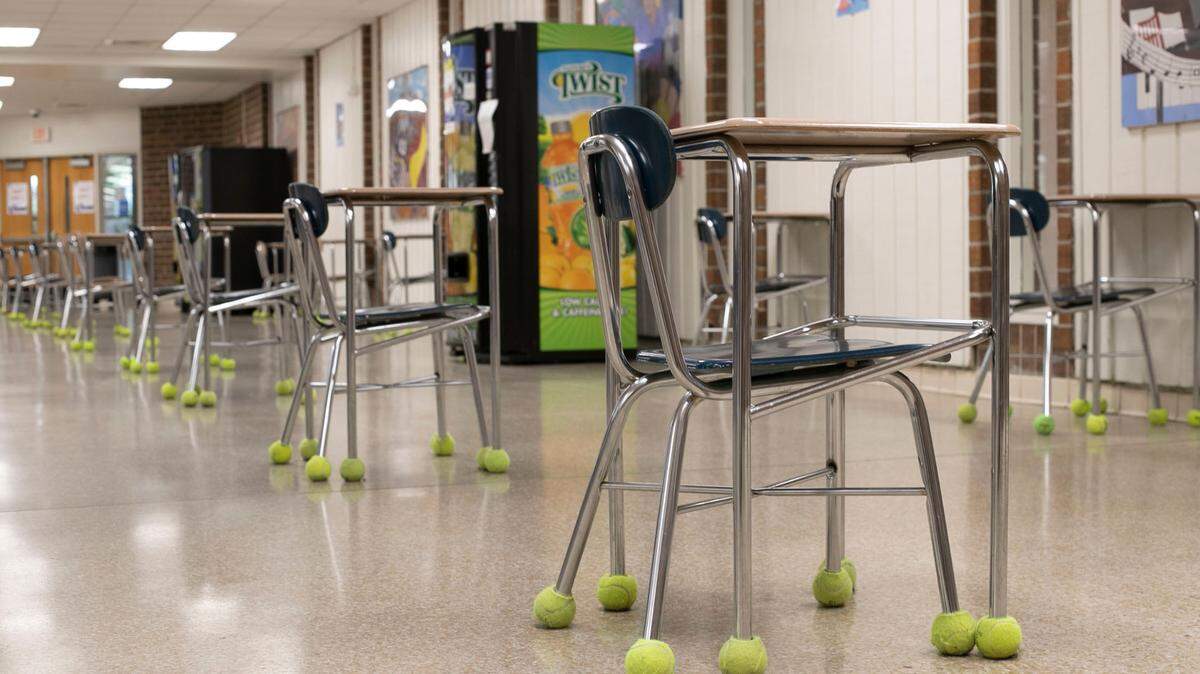
North Carolina school districts will have to create a summer school program to help students who’ve fallen behind during COVID-19, under legislation unanimously approved Thursday by the General Assembly.
The “Summer Learning Choice for NC Families” bill requires school districts to offer students at least 150 hours or 30 days of summer in-person instruction, along with enrichment activities such as sports, music and arts. The program is geared toward at-risk students, but attendance is voluntary and is open to any student, space permitting.
Supporters say the summer program is needed because of how students have received little in-person instruction for the past year due to the coronavirus pandemic.
“It provides an opportunity to get summer school for some of these children who need it badly,” House Speaker Tim Moore, a primary sponsor of the bill, said at a Senate committee meeting this week. “Teachers who want to do this will be paid more to do so, so they’re not compelled to.
“But we think it’s going to be very attractive. It’s going to be an opportunity to make sure we get caught up.”
The legislation goes to Gov. Roy Cooper. A veto would be unlikely given the lack of opposition in the General Assembly.
The new summer program was approved the same day that lawmakers also passed legislation making changes to the annual summer reading camps. Both programs will be held this year.
The new COVID-related program is for this summer only and covers all grade levels. The existing summer camps are for early elementary school grades.
To give year-round schools more flexibility, they can offer the program as late as Oct. 1 using the periodic breaks built into their calendar.
More students at risk of failure
The program comes after a year in which school districts have reported increases in the number of students who are failing classes and not showing up regularly.
Test results released last month show that the majority of high school students did not pass state end-of-course exams given in the fall. In addition, school districts reported that 23% of their students are at risk of academic failure and not being promoted at the end of the school year.
The test data also showed that the majority of third-grade students who took the beginning-of-grade reading exam scored at the lowest level and three quarters aren’t proficient in reading.
The bill requires school districts to identify and prioritize at-risk students for the program. Those at-risk students are not required to participate, however.
The legislation has been endorsed by Disability Rights North Carolina, which says it will positively impact students with disabilities. The past year’s focus on remote learning has been particularly hard on students with disabilities.
“House Bill 82 is again really establishing a summer learning choice for North Carolina families this summer due to just COVID-19 and the learning loss associated with that,” Sen. Deanna Ballard, a Watauga County Republican, said Thursday.
No new state funding
The summer program doesn’t come with any new state funding. Instead, school districts can use federal coronavirus relief funds to run the program.
Charter schools aren’t required to set up a summer program. Instead, charter students, private school students and home-school students can request a spot in a program run by the school district.
A prior version of the bill would have allowed school districts to charge up to $1,040 to serve non-district students. But Moore said that fee wasn’t needed because districts have enough money to run the program.
“We have the funds to do it,” Moore said. “There’s no good reason not to do the summer school.”
This story was originally published April 1, 2021 at 3:54 PM.