
Study said Wake needs more public defenders, but proposed NC budget would take 2 away
Deonte’ Thomas said his first reaction to a North Carolina budget proposal that would move two public defenders’ positions from Wake to Robeson County was to figure out how could he fix it.
“The biggest question is just why,” said Thomas, who was appointed Wake’s chief public defender eight months ago. “If someone could tell me why, then ... I could either know what I need to do to improve my office’s efficiency. Or, you know, not make whoever mad that is coming to this decision. Or, know who to talk to to show how much work we are putting in, and how much help we actually need here. “
The change in the proposed Senate budget would reduce Wake County’s public defender positions to 30, and increase Robeson County’s roster to 12. The proposal comes at a time when the state public defender system is already in crisis due to staffing shortages across the state, according to the leader of the state indigent defense system.
The Republican-led Senate budget proposal is expected to be approved by the weekend, The News & Observer reported. The Republican-led House will also release its own version of the budget. After the two chambers agree on a final version, it will be sent to Democratic Gov. Roy Cooper.
A 2019 study of public defenders’ workload indicated that all public defender offices needed more attorneys, but Robeson had the smallest need compared to the 15 other studied districts.
The study indicated Wake County needed 25 more public defender positions, compared to Robeson’s need of one position.
Sen. Danny Britt, a Robeson County Republican, said the proposal to move two public defenders’ positions from mostly Democratic Wake County isn’t partisan and follows a request from a Robeson County public defender a year or two ago.
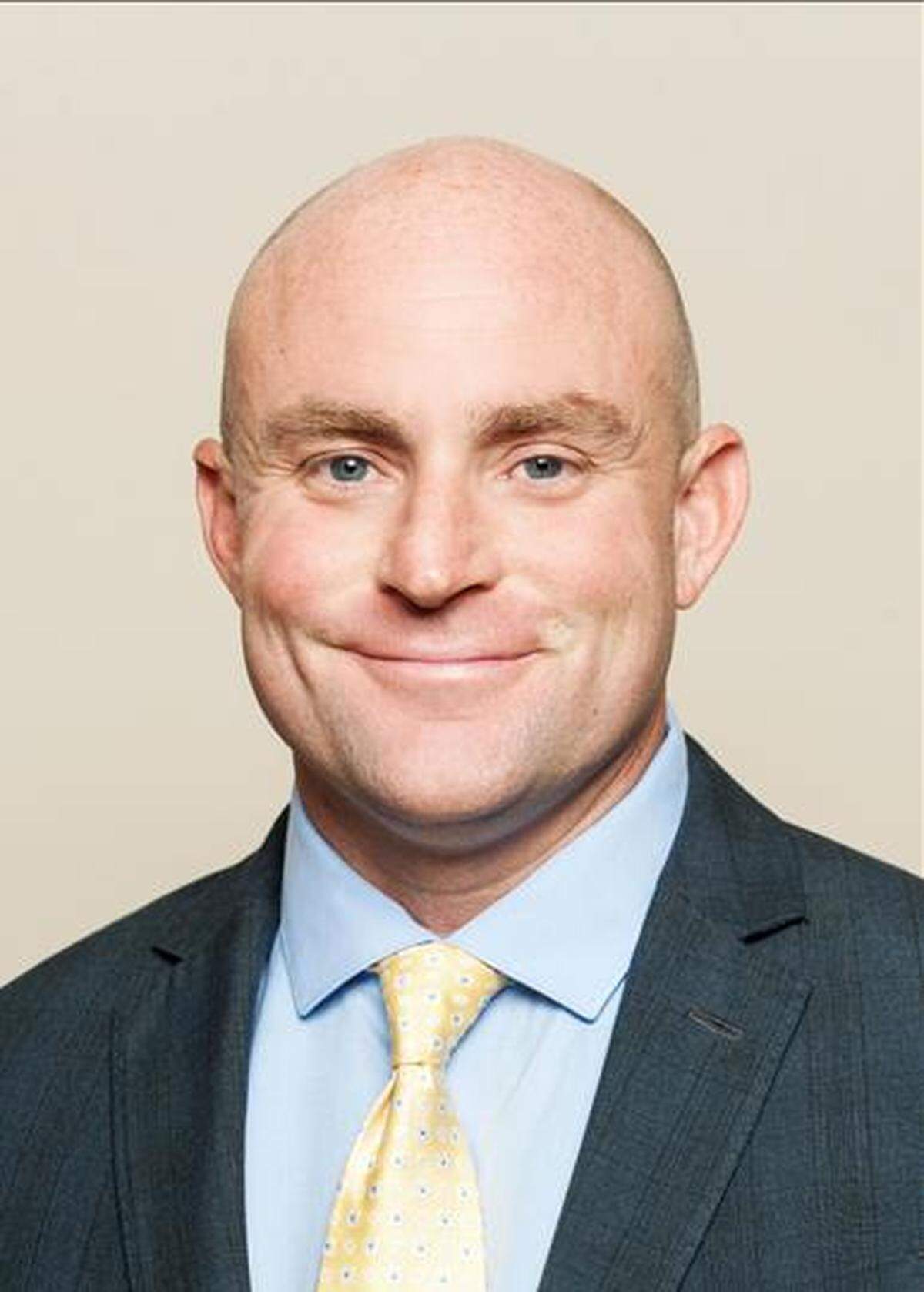
Britt pointed out that Robeson County, the poorest county in the state, has the highest violent-crime rate and one of the longest backlogs of murder defendants.
“It comes down to this question: Should state funding help out the rich counties who can take care of themselves, or the poor counties who can’t? I come down on the side of the poor counties,” Britt wrote in an email.
Breaking point?
The push to move two positions puts the Wake public defender’s office and its clients in a horrible position, Thomas said.
“The pandemic and our caseload makes it harder for us to do our job, but I think we do it each and every time,” he said. “At some point, there is going to be a breaking point.”
If the positions are moved, then attorneys will have to increase their caseloads and the office will have to figure out how to identify more attorneys who are willing to take the contract cases.
Currently, the office has a list of five private attorneys willing to take on higher level felonies and 23 for other cases, which is “exceptionally low,” he said.
“Just due to the way that the contract system works at this point in time, what attorneys tell me it is not financially responsible for them to take those contract cases,” Thomas said.
The News & Observer reached out to the Robeson County public defender’s office. A receptionist said the chief public defender wouldn’t be back in the office until Friday and an office supervisor was out all week.
‘Especially egregious’
Public defenders’ offices are underfunded across the country, but in North Carolina it is “especially egregious,” said Dawn Blagrove, executive director of racial justice group Emancipate NC.
The Senate’s budget proposal not only allows the trend of overburdened public defenders to continue but makes it worse for the poor and people of color, who are disproportionately affected by the criminal justice system and the pandemic, she said.
“It is a travesty and it is a guarantee that folks’ Sixth Amendment right to counsel will be decimated,” Blagrove said.
Blagrove pointed out that the change and lack of funding comes in a year in which experts have predicted the state will have $6.5 billion more money than expected over the two-year budget time frame.
“This Senate budget proposal shows us that they are not trying to make change, but that secretly, when they think no one is looking, they are trying to undermine any possible good that came from half-hearted criminal justice reform measures,” she said.
Public defender workload study
When asked about the 2019 workload study’s results, Britt said he was concerned that other counties, such as Pitt, had resolved similar or lower numbers of cases over the last year than Robeson, even with more public defenders.
In the 2019-20 fiscal year, the Robeson County public defender’s office, which has 10 attorney positions, disposed of 2,009 cases. Private attorneys disposed of another 4,259 indigent cases, according to data provided by the Office of Indigent Defense.
The Pitt County public defender’s office, which has 14 positions, disposed of 2,388 cases. Private attorneys disposed of another 1,654 indigent cases.
Robeson’s public defenders’ average caseload on March 18 was 172 cases, compared to Pitt’s 124.
Wake County’s was 205, which is above recommended levels, state officials and Thomas said.
“The best numbers on the need are the conclusions of the workload study,” said Mary Pollard, executive director of the state’s Office of Indigent Defense Services, which was created in 2001 to provide poor residents their constitutional right to effective counsel after being charged with a crime.
The location of North Carolina’s 17 public defender offices are determined by the General Assembly, but the Indigent Defense Services office typically determines staffing levels based on the state budget and case information, Pollard said.
Pollard said her office doesn’t support the move to take two positions from Wake.
“While Robeson County needs more public defenders so does Wake,” she said. “The solution would be to add people, not just move them.”
Britt wrote in an email he agrees that justice and public safety could use more funding.
“In the Senate, the full budget chairs make these bigger decisions and they have to weigh a thousand of these types of requests. When you add up all the really good ideas that just need ‘a little more funding, it adds up quickly,” he wrote.
“So we have to operate within the caps that we’ve set, and I’m fine with that.”
System in ‘crisis’
North Carolina public defender services are in crisis due to office staffing levels of attorneys and support staff, along with a lack of availability of private attorneys willing to be appointed to indigent cases, Pollard said.
Pollard said she was disappointed that the office’s $130 million allocation in the Senate plan didn’t include an increase for staff public defenders or raise rates for private attorneys, she said.
In 2017, the General Assembly directed the office to contract with the National Center for State Courts to develop a workload formula for staff at public defender offices.
The study, which recommended adding nearly 500 public defenders across the state, found that public defenders spend an average of 42 hours on serious felony cases, when 75 hours are needed.
Many public defenders are doing the best that they can, Pollard said.
“There is no question in my mind that in some instances it is affecting the quality of representation they are getting, and it certainly slows everything down,” Pollard said.
A separate study released in 2019 indicated half of private attorneys appointed to indigent cases reported they reduced the amount of public defense work after a 2011 rate cut.
Repercussions of an underfunded system can include people spending more time in jail pretrial, worse overall outcomes for defendants and wrongful convictions, Pollard said.
If a young person gets into trouble, a good attorney can help turn that into a turning point in their life, she said.
“If it is mishandled, it can be the start of the spiral for them,” she said.
For more North Carolina government and politics news, listen to the Under the Dome politics podcast from The News & Observer and the NC Insider. You can find it at link.chtbl.com/underthedomenc or wherever you get your podcasts.