Meet some of the players behind medical marijuana’s new push in North Carolina
If North Carolina’s nascent push for medical marijuana legalization seems like it came out of nowhere, that’s because it did.
Earlier this spring, Democrats at the state legislature filed the same marijuana bills they have for the past several years. They knew they didn’t have the power to pass any of them but were signaling to their supporters that they were at least trying to start a conversation. But then came Senate Bill 711, whose innocuous title, “NC Compassionate Care Act,” belied how much it would upend the conservative majority at the N.C. General Assembly.
Its powerful GOP sponsor has pushed fellow Republicans to come around to his way of thinking on medical marijuana for cancer, PTSD and more. It has now passed the first of many hurdles, winning near-unanimous approval in a recent Senate committee vote.
The backgrounds of the bill’s sponsors — two white Republicans and a Black Democrat, representing areas rural, suburban and urban — indicate how wide-reaching it would be if North Carolina were to join 37 other states in legalizing medical marijuana. So, too, do the backgrounds of those who have come to the legislature to support it so far: Everyone from burly, bearded veterans to senior citizens, farmers, doctors and businessmen.
But is it an entirely grassroots effort, or are interests like Big Tobacco and Big Pharma involved? And what about the opposition?
Let’s meet some of the players in this developing story.
Republican lawmakers
The big name to know is Sen. Bill Rabon, a veterinarian from Southport who represents much of the far southeastern corner of the state. He’s also chairman of the Senate Rules committee, which decides which bills will make it to the Senate floor for a vote. In other words, he is one of the most powerful people in the legislature.
Rabon said last month that he’s actually been trying to push medical marijuana behind the scenes since 2010, when the Tea Party wave saw Republicans take control of the legislature. But he finally decided this year that things wouldn’t change unless he was willing to put his name on it publicly.
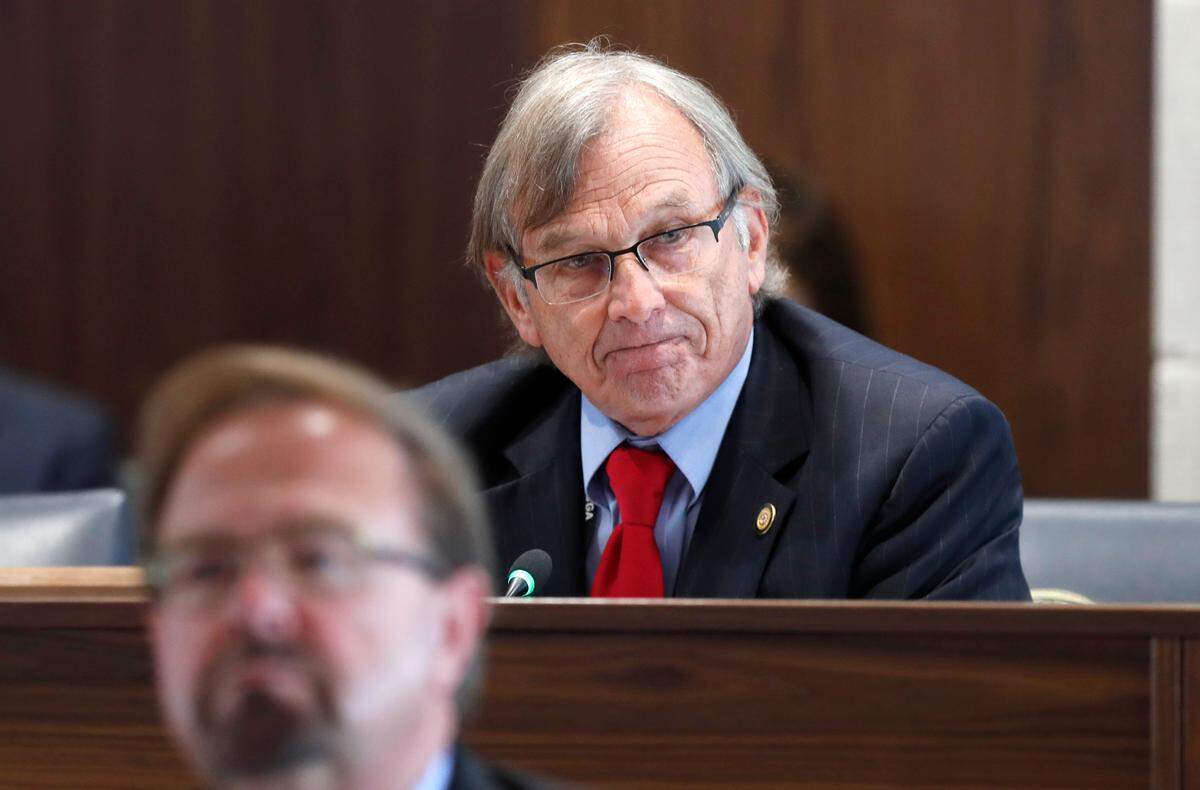
“I may fall flat on my face but I’m going to see it through,” Rabon told fellow lawmakers at the initial meeting on the bill, in late June, The News & Observer reported. “I owe it to my fellow man. And I think you do, too.”
With Rabon and Wilmington Republican Sen. Michael Lee on board as sponsors, some fellow Republicans have reexamined their past opposition.
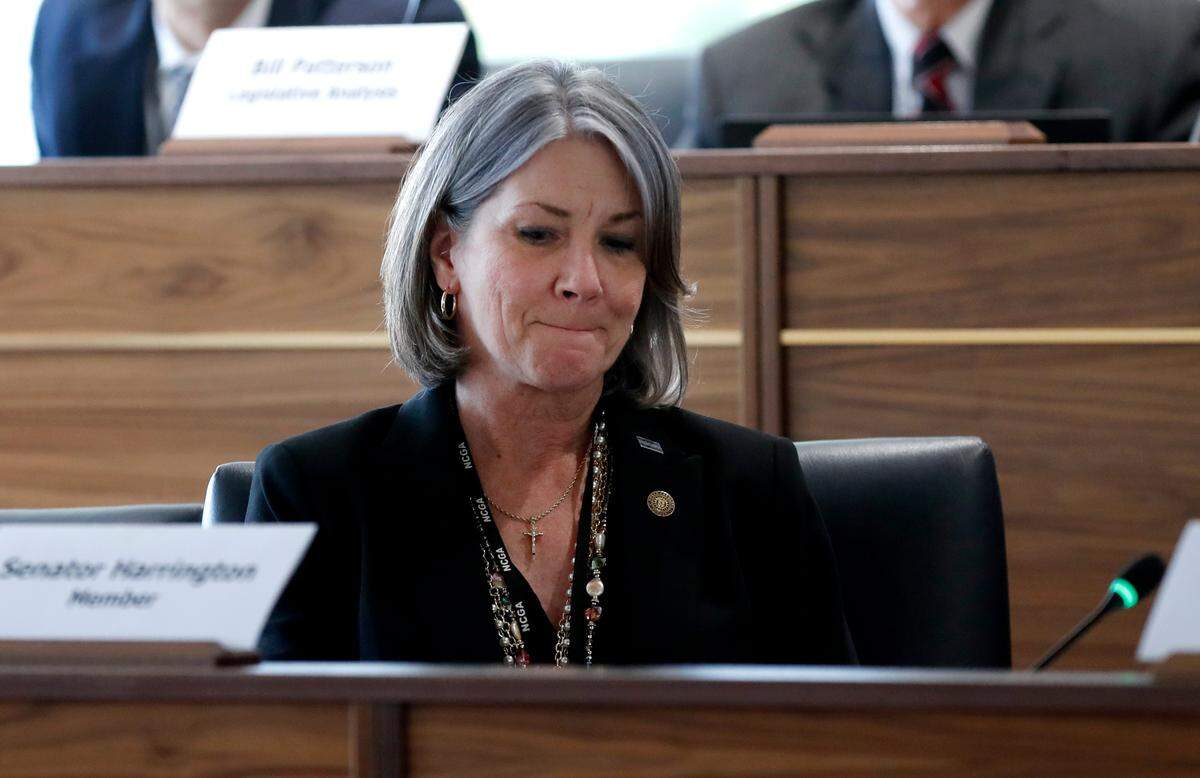
Kathy Harrington, the Senate majority leader, said her husband was recently diagnosed with multiple myeloma, a type of blood cancer. Researching that, and hearing from her GOP colleagues about medical marijuana, she said, has changed her mind.
“If you had asked me six months ago if I would support this bill, I would have said no,” said Harrington, who is now a co-sponsor of the bill. “But life comes at you fast.”
Others have been less enthusiastic about the idea.
“Some of us have a bridge we need to cross to get comfortable with this,” Sen. Paul Newton, a Cabarrus County Republican who is the former president of Duke Energy’s North Carolina operations. “... For me personally, I’m really trying to keep an open mind.”
To Sen. Michael Lazzara, who represents Onslow County which is home to Camp Lejuene and many Marine Corps veterans, it only makes sense. We’ve been at war for 20 years in the Middle East, he said, and we seem to be failing the troops who come home damaged.
“They’re coming home and being treated for PTSD, TBI and many other ailments with extremely powerful drugs,” Lazzara said. “Antidepressants, Oxycontin, Percocet. And they’re in extreme pain. Our suicide rates are through the roof, and they continue to get worse. Studies have shown that medical cannabis is a great reliever in lieu of these very powerful drugs.”
Using marijuana for PTSD
The testimony of veterans with PTSD has been the most heart-wrenching of the hearings so far. Chayse Roth, a Wilmington resident and former member of the Marine Corps Raiders — that branch’s special forces — said he deployed many times to the Middle East between 2001 and 2013. But he lost more friends to suicide than to combat.
“If the passage of this bill prevents one veteran from putting their pistol in their mouth, it’s worth it,” he told lawmakers. “And it’s time to get it done.”
Joshua Biddix, a Marine Corps veteran who brought his wife and young daughter to a recent meeting, choked up when he told lawmakers about the time he held his own gun to his head. Samuel Roberts, an Army veteran who first deployed to Iraq when he was 19, spoke about the time he decided to die and even dug his own grave, before seeking help. Gary Hess told about an explosion in Afghanistan that decapitated his vehicle’s gunner. Two of his fellow Marines who survived that attack have since committed suicide, he said. And he was suicidal for a while, too, he said, emotionally recalling another gruesome and deadly attack on his unit.
“To this day I still hear the voices clear as day: ‘Josh is dead, sir,’” Hess said. “He didn’t have to say the words. I could see Josh’s body parts all over him.”
They were only some of the veterans who have spoken out. Nearly all have said they originally went on the usual cocktail of prescription drugs that Veterans Affairs gives out for PTSD, but later switched to marijuana, finding it not only works better but also doesn’t come with as many negative side effects.
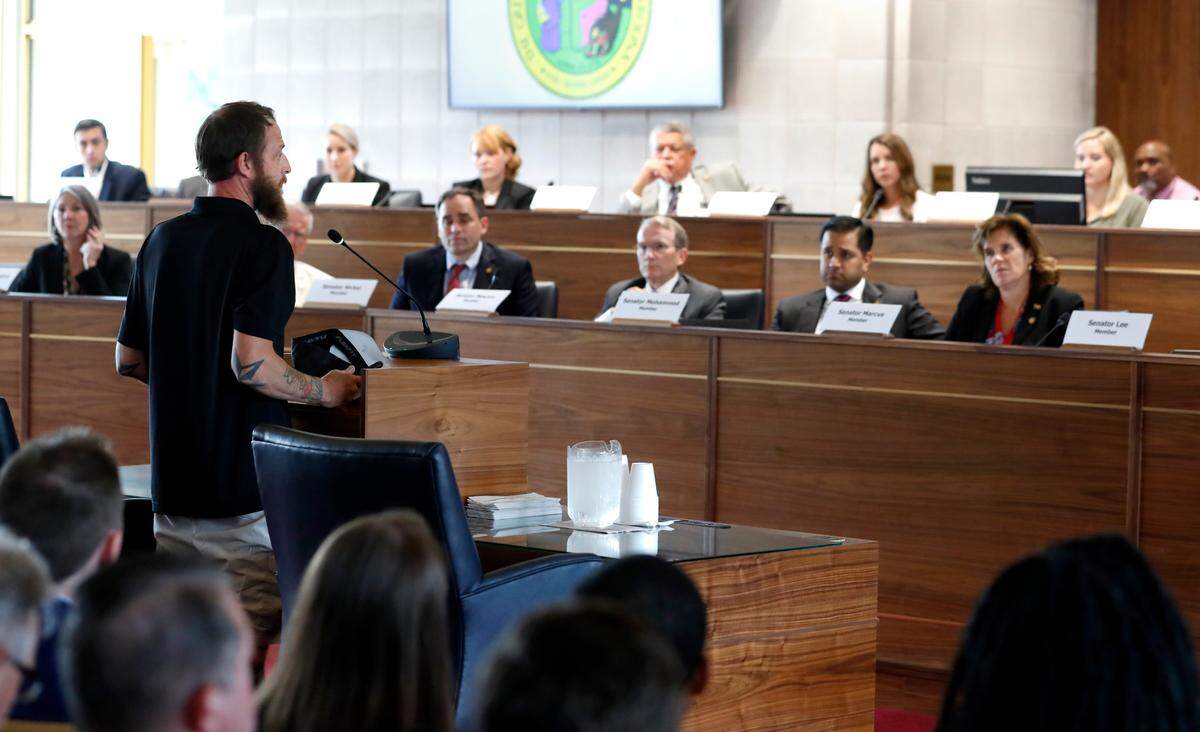
The veterans speaking at these meetings have mostly been brought together by a new group, NC Families For Medical Cannabis, which is being run by longtime lobbyist Albert Eckel. His firm Eckel & Vaughan represents numerous clients at the legislature.
Eckel said his dad was a graduate of The Citadel, a military college in South Carolina, and that when he suffered from cancer at the end of his life he refused to even try marijuana to cope, despite the urging of family.
“He was a tough guy, said no, that’s hippie stuff,” Eckel said. “It’s just a generational thing.”
That inspired Eckel’s interest in legalizing medical marijuana, he said. He eventually met people with a local nonprofit, Cannabis Advocacy of North Carolina. Then after Rabon filed this bill, he started the NC Families for Medical Cannabis group, to find veterans willing to vouch for medical marijuana at the legislature.
“Our goal is to keep finding individuals and help them tell their story,” he said.
Special interests involved?
The NC Families for Medical Cannabis website was created on June 7 by someone who hid their identity through a company called Domains By Proxy, according to ICANN, a group that tracks domain names and details.
Around that same time — between June 4 and June 21, according to state lobbying records — Eckel was hired by ITG Brands, a large tobacco company in Greensboro. They own Winston Cigarettes, Kool menthols and the cigar brands Backwoods, Dutch Masters and Phillies, among other products.
So is Big Tobacco secretly behind this push to legalize medical marijuana in North Carolina?
Absolutely not, Eckel said: “They don’t have anything to with this. They hired me to work on menthol issues.”
The Food and Drug Administration announced in April it is considering banning menthol cigarettes.
Eckel said he’s not aware if ITG even has a stance on marijuana, and that if there are any special interests involved, it’s probably more likely to be Big Pharma. The millions of dollars in research funding that could pour in if marijuana is allowed to be studied for medical use, he said, could create thousands of jobs in the medical and pharmaceutical industries.
One pharmaceutical CEO who recently weighed in was Miles Wright of Avient Biosciences, a company in Wilson that makes medical-grade and food-grade cannabinoids. He said the bill needs stricter third-party testing of marijuana before it can be sold, plus stricter manufacturing regulations.
“We think it’s very well crafted, but we think a couple additional tweaks, we would recommend,” he said.
Opponents and skeptics
The strongest opposition to the bill is from two Christian conservative groups, the N.C. Values Coalition and the Christian Action League.
The Rev. Mark Creech, head of the Christian Action League, said he believes medical marijuana is backed up by “purely anecdotal evidence at best” and that it’s really just a slippery slope to full legalization.
The bill’s main Democratic sponsor, Sen. Paul Lowe of Winston-Salem, said they specifically wrote the bill so that it would not lead to full recreational legalization.
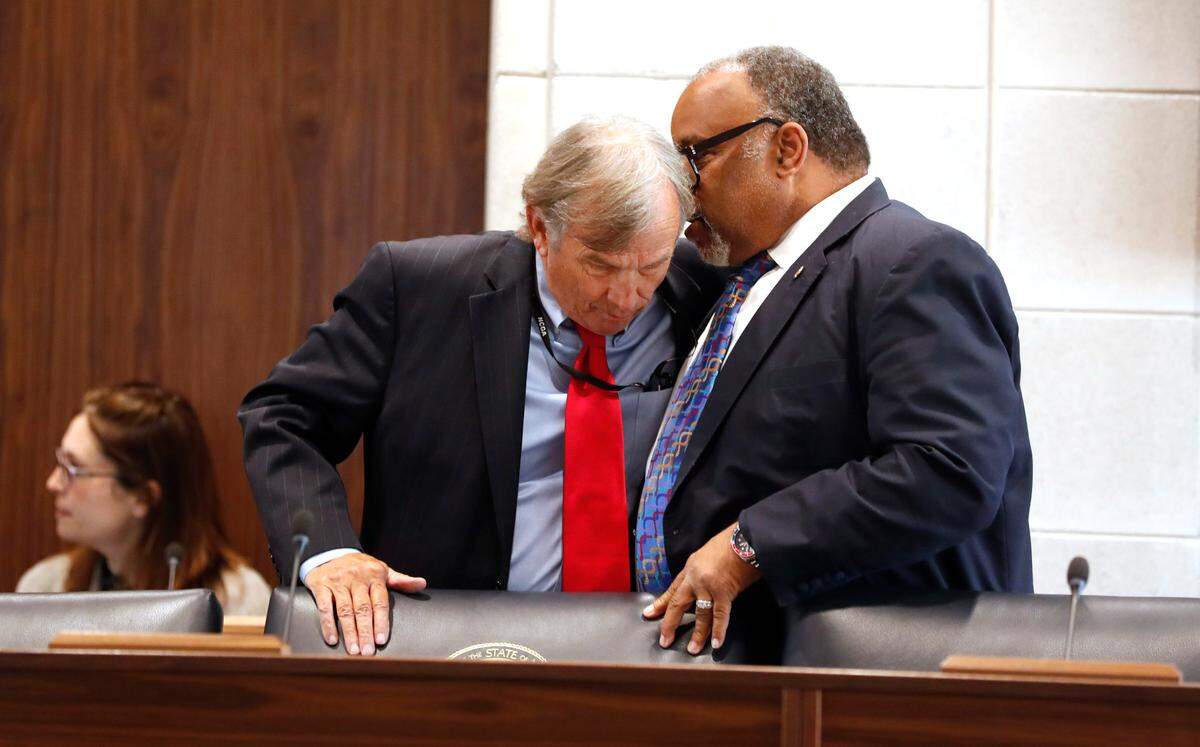
“We realized that in other states, some, it worked out well,” Lowe said. “Some it was just a recreational product.”
But it’s not just pro-temperance preachers who have concerns. Democratic Attorney General Josh Stein told The N&O Friday that if it does get passed, and if North Carolina does ever fully legalize weed down the road, then whatever is in this bill would likely become the framework for recreational marijuana, too.
Stein then pointed to a legal settlement he won just days prior, when vaping company Juul agreed to pay $40 million to North Carolina and promised to stop advertising e-cigarettes to children. He said that wouldn’t have been necessary if the state had regulated the industry more strictly in the first place.
“With marijuana sales in North Carolina, I absolutely do not want to see that happen,” he said.
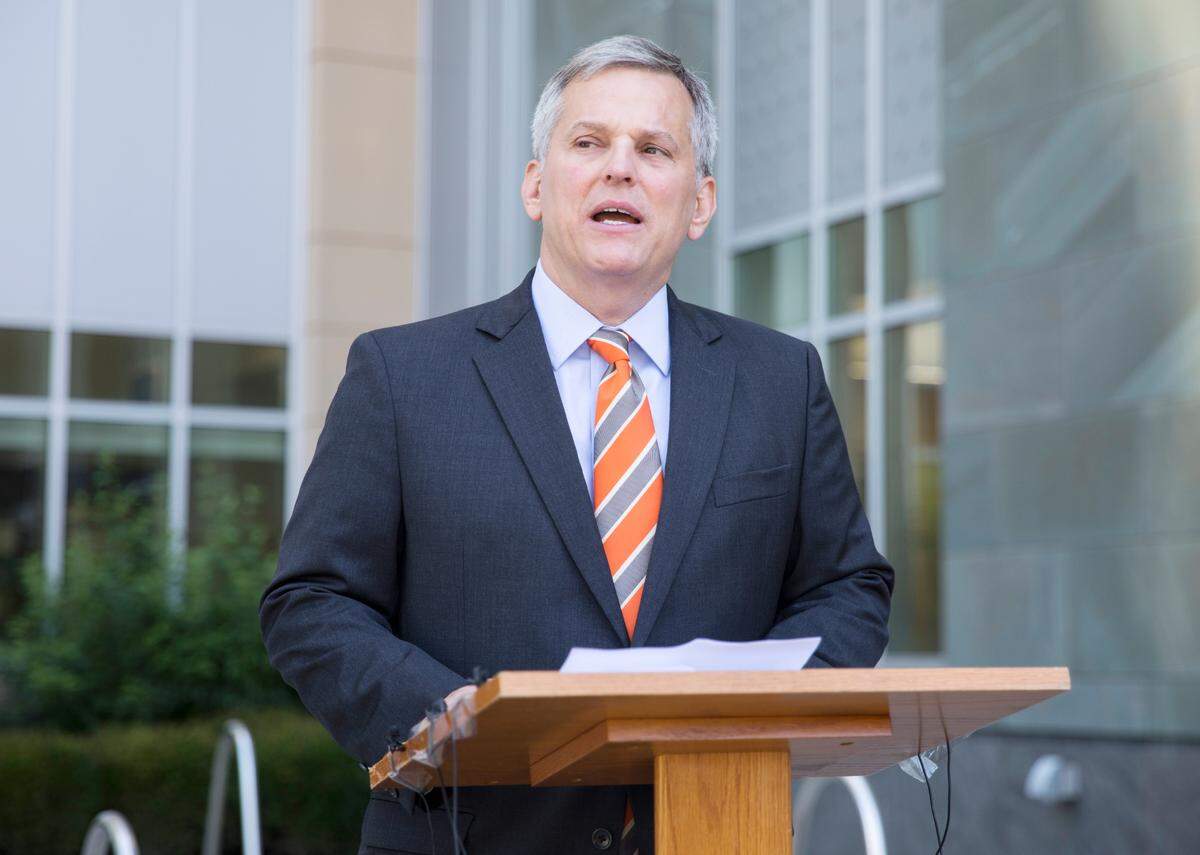
Stein co-chaired a racial justice task force last year that recommended decriminalizing but not legalizing weed. He said Friday he still prefers decriminalization first but isn’t personally opposed to medical marijuana — just cautious.
“I support people with genuine health needs, who can benefit from marijuana, being able to access marijuana,” he said. “I support that. And that requires us to change the law. But we have to be incredibly careful in how that is done.”
Farmers and agriculture experts
For farming, the bill is written to restrict marijuana licenses to either local farmers or out-of-state companies with the required expertise who agree to partner with local farmers. That’s meant to not allow out-of-state companies to completely take over the market, since most states already have experience in medical marijuana but North Carolina does not.
The N.C. Department of Agriculture is not taking a stance on the bill at this time, said deputy commissioner Sandy Stewart. Nor is the N.C. Industrial Hemp Commission. Blake Butler, director of the Southeast Hemp Association, likewise said they are not yet taking a stance for or against the bill.
“We are not involved in Senate Bill 711,” Butler said. “But I can tell you that some of our association members have been monitoring the Senate committee hearings closely.”
Pot activists
Numerous pro-weed activists have supported this bill, with many saying it doesn’t go far enough.
“It will affect thousands of patients,” said Janis Ramquist of NC NORML, a pro-legalization group. “But tens of thousands of patients will be left out.”
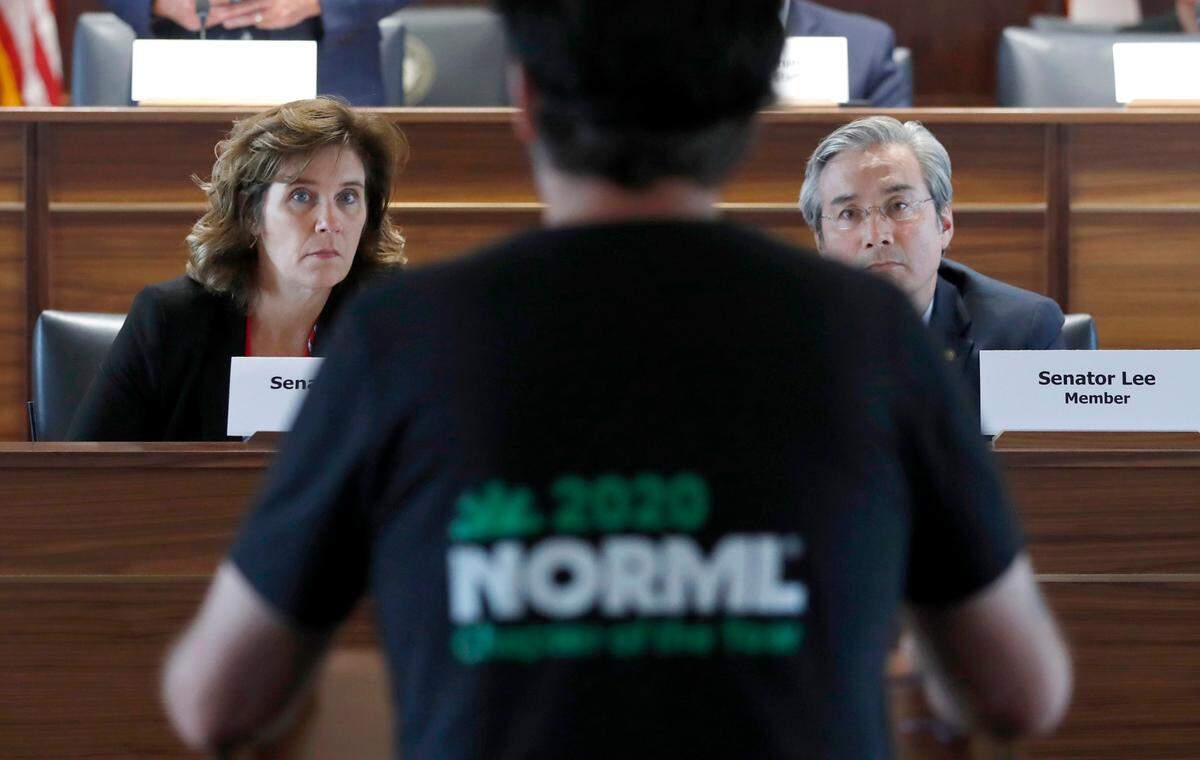
Sean Parekh, who runs a store in Chapel Hill called Cannabliss that sells legal products with similarities to marijuana, like CBD and Delta-8 THC, told The N&O he gets 50 to 100 customers a day. Many have medical problems that this bill would address, related to pain and nausea. He said adding marijuana to the mix would only help more people.
“Whatever’s being done to slow this down, or whatever’s not being done to speed it up, needs to be changed,” he said.
For more North Carolina government and politics news, listen to the Under the Dome politics podcast from The News & Observer and the NC Insider. You can find it at link.chtbl.com/underthedomenc or wherever you get your podcasts.
This story was originally published July 6, 2021 at 5:45 AM.