
NC’s state budget is two months late. It’s not likely to be done in September, either
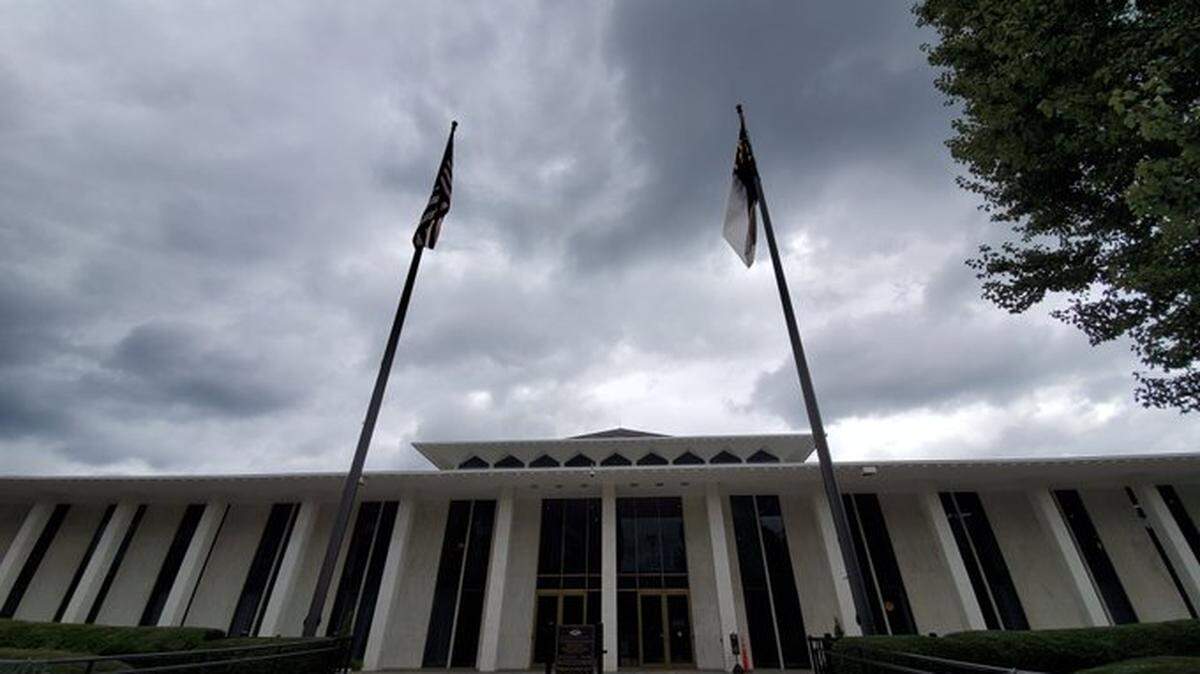
The band Earth, Wind & Fire has a song about remembering the 21st night of September. Will that be the day that the North Carolina General Assembly passes its state budget?
Unlikely.
More like Green Day’s “Wake Me Up When September Ends.”
Senate leader Phil Berger told reporters on Wednesday evening that he does not expect the legislature’s compromise budget, called the conference budget, to be done before the end of September.
That means raises for tens of thousands of teachers and other state employees will continue to be held up, as well as proposed tax cuts, university construction projects and any increase in operating budgets across the state.
House Speaker Tim Moore, a Kings Mountain Republican, has said that it would be mid-September. Berger is not even that optimistic.
Both Berger and Moore have talked to and met with Democratic Gov. Roy Cooper, who they promised earlier this year would be part of the final budget process before it is passed by the Republican-majority General Assembly. The Senate passed its version of the budget in June, and the House passed its proposed budget in August. While the chambers are dominated by the same party, that doesn’t mean they always agree.
The current logjam is over spending on multiple issues. That is similar to their debate in late spring, when the House and Senate traded offer upon offer about a total spending number. They have that: $25.7 billion.
But they don’t agree on how much money to put in different categories of spending.
Key differences that impact the most North Carolinians directly are the amount of employee raises — higher in the House than the Senate, and tax cuts — higher in the Senate than the House.
Both the Senate and the House passed their budgets with enough Democrats to make a supermajority, which is the three-fifths majority needed to override a veto. The state did not have a 2019 budget that became law, after Cooper vetoed it and only the House overrode it. Instead, a series of piecemeal budget bills were passed and the spending levels of the previous budget rolled over, as it has for this fiscal year that began July 1.
‘Ray of light’ in budget debate
Getting closer to agreement doesn’t speed up the timeline.
“I’ve seen a little ray of light. We’re still having conversations,” Berger said about the budget negotiations with the House.
“I think we’ve narrowed down the items we need to agree to in order to start in earnest hammering out final provisions in the budget. I am hopeful we will be in a position early next week to have our subcommittees working to try to come up with a conference report. We’re not there yet,” he said.
That means behind-closed-doors meetings next week between budget negotiators. Berger said they are “very close to agreement on spend numbers of various large components of the budget.”
Once they agree on spending, subcommittees will work out the details.
Those details include salary increases, Berger said.
He said that even if the process goes quickly, he doesn’t think there will be a session break anymore between the budget and when lawmakers return to work on redistricting in October.
“I don’t see us getting to the [budget] finish line before the end of September,” Berger said.
So what are else are they going to do the rest of the month?
“Hopefully something more than us just staring at each other,” he said.
The House and Senate won’t have floor votes next week until Wednesday. Monday is the Labor Day national holiday.
Redistricting meetings
This fall lawmakers are charged with drawing new political maps. The Senate and House redistricting committees announced 13 upcoming public hearings.
Here’s the schedule:
Sept. 8: Caldwell Community College and Technical Institute at 6 p.m.
Sept. 14: Forsyth Technical Community College at 4 p.m.
Elizabeth City State University at 5 p.m.
Sept. 15: Durham Technical Community College at 6 p.m.
Nash Community College at 5 p.m.
Sept. 16: Alamance Community College at 5 p.m.
Pitt Community College at 3 p.m.
Sept. 21: Western Carolina University at 5 p.m.
Sept. 22: Central Piedmont Community College at 3 p.m.
Sept. 23: Mitchell Community College (Iredell County Campus) at 3 p.m.
Sept. 28: UNC-Pembroke at 4 p.m.
Sept. 29: UNC-Wilmington at 5 p.m.
Sept. 30: Fayetteville Technical Community College at 6 p.m.
For more North Carolina government and politics news, listen to the Under the Dome politics podcast from The News & Observer and the NC Insider. You can find it at link.chtbl.com/underthedomenc or wherever you get your podcasts.
This story was originally published September 1, 2021 at 6:40 PM.
.jpg)