
NC regulators tell Chemours it may have to provide water filters to thousands of homes
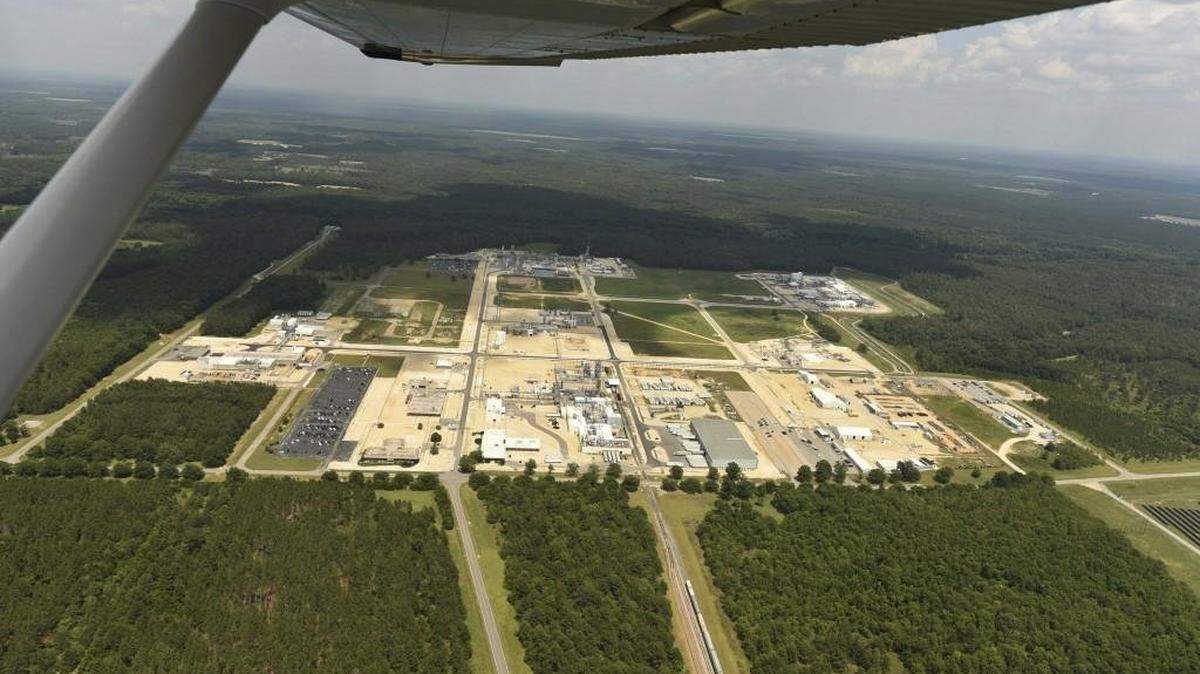
North Carolina environmental regulators on Wednesday ordered the Chemours chemical company to look at Wilmington-area groundwater to see how much is contaminated by long-lasting chemicals associated with the company’s Fayetteville Works facility and to plan for a new health advisory that could force the company to provide filtration systems for many more homes around the plant.
Often called “forever chemicals,” per- and polyfluoroalkyl substances or PFAS are long-lasting, versatile and have been linked to a range of health effects, including some cancers, developmental effects and liver impacts. Those chemicals include GenX, a kind of PFAS that DuPont and then Chemours discharged into the Cape Fear River from a Bladen County plant for more than 30 years.
In Wednesday’s letters to Chemours, the N.C. Department of Environmental Quality said it was likely that a recent Environmental Protection Agency toxicity assessment of GenX will lead to heightened protections for North Carolina drinking water. DEQ also widened the scope of well-water protection that was required under a 2019 consent order.
“The contamination from Chemours extends down the Cape Fear River into multiple communities and Chemours’ actions to address that contamination must reach those communities as well,” DEQ Secretary Elizabeth Biser said in a statement.
Wilmington-area officials have long expressed frustration that the 2019 consent order agreed to by Chemours, DEQ and Cape Fear River Watch did not provide their residents with the same consideration afforded to residents around the plant. Instead, the Cape Fear Public Utility Authority and other downstream utilities have sued Chemours, asking courts to order the company to pay for water treatment plant upgrades that are meant to lower the amount of chemicals found in their drinking water.
In a statement, Lisa Randall, a Chemours spokeswoman, said the company intended to seek “further clarification” about DEQ’s notes.
“Chemours is a part of the solution to addressing PFAS contamination in North Carolina, and we will continue working with the North Carolina Department of Environmental Quality (NCDEQ), as we have been for several years, to move forward with efforts to address PFAS found in the environment related to our Fayetteville Works manufacturing site,” Randall said.
Sushma Masemore, DEQ’s assistant secretary for the environment, told Chemours Wednesday that regulators have determined chemicals associated with Fayetteville Works have reached New Hanover County “private drinking water supply wells.”
Masemore gave Chemours 90 days to develop a plan to sample wells in Brunswick, Columbus, New Hanover and Pender counties, providing treatment systems or drinking water alternatives where required under the 2019 consent order.
In a statement Wednesday, Kenneth Waldroup, executive director of the Cape Fear Public Utility Authority, wrote, “The PFAS in our community’s groundwater is there because Chemours and its predecessor DuPont released it into the Cape Fear River and the air over multiple decades of profitable operations upriver from our community. As a result of Wednesday’s announcement, Chemours can no longer ignore its responsibilities to the residents of New Hanover County.”
Geoff Gisler, a Southern Environmental Law Center senior attorney, said the action shows how regulators’ understanding of PFAS contamination has evolved.
“It’s unquestionably the case that as we have gotten more information about the extent of the contamination, it just continues to grow,” said Gisler, who represented Cape Fear River Watch.
The consent order requires Chemours to provide a permanent drinking water solution to anyone who is drinking well water that has levels of GenX higher than the state’s existing health goal or any future “health advisory.”
Last week’s EPA toxicity assessment for GenX determined the chemical was toxic at much lower levels than previously believed. That assessment set a new chronic reference dose for GenX, or the level at which someone can be exposed for a lifetime without experiencing adverse health impacts, at three parts per trillion. EPA scientists will use the reference dose to set a new health advisory level, which is expected next spring.
It is “likely,” DEQ said in a press release, that the EPA’s advisory will be lower than the existing health goal. That could lead to thousands of people becoming eligible for whole-house filtration systems at the company’s expense.
This story was produced with financial support from 1Earth Fund, in partnership with Journalism Funding Partners, as part of an independent journalism fellowship program. The N&O maintains full editorial control of the work.
This story was originally published November 3, 2021 at 5:38 PM.