College basketball, BBQ and ... esports? NC wants to become hub for video gaming events
READ MORE
Calling all gamers
North Carolina wants to become a hub for competitive multiplayer video gaming events — also known as esports. As such, the latest state budget includes millions of dollars to attract esports events. Some colleges in the state also want to get in on the action with custom facilities, esports teams and new degree programs. Can NC become a go-to destination for gamers? This is the N&O’s special report.
Expand All
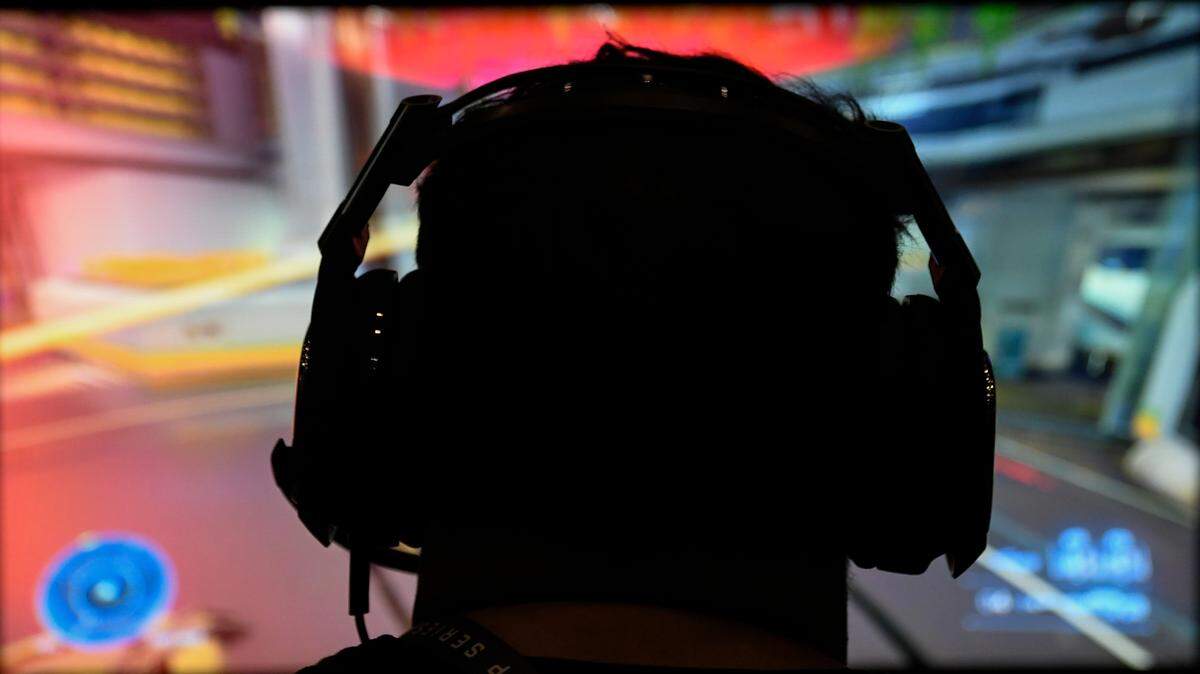
College basketball, BBQ and ... esports? NC wants to become hub for video gaming events
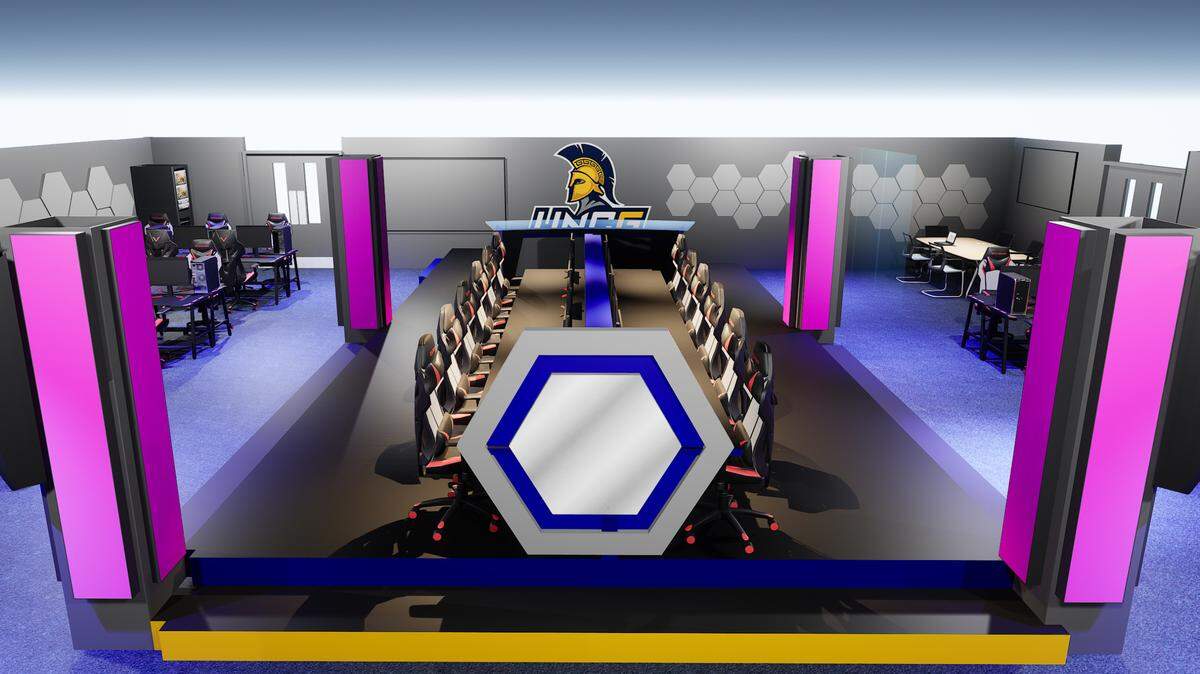
NC colleges race to capitalize on gaming’s popularity with venues, teams and degrees
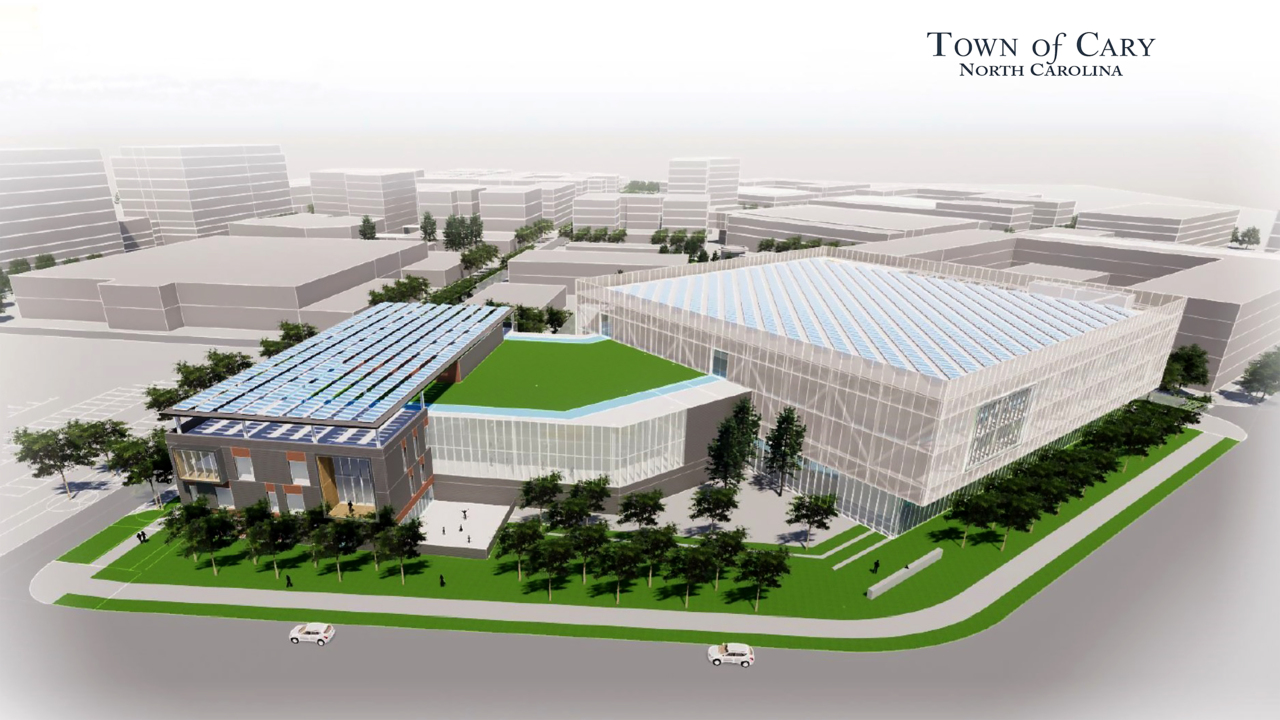
Can Cary become a destination for esports events? New sports complex will be critical
North Carolina is home to some of Twitch’s most influential live streamers
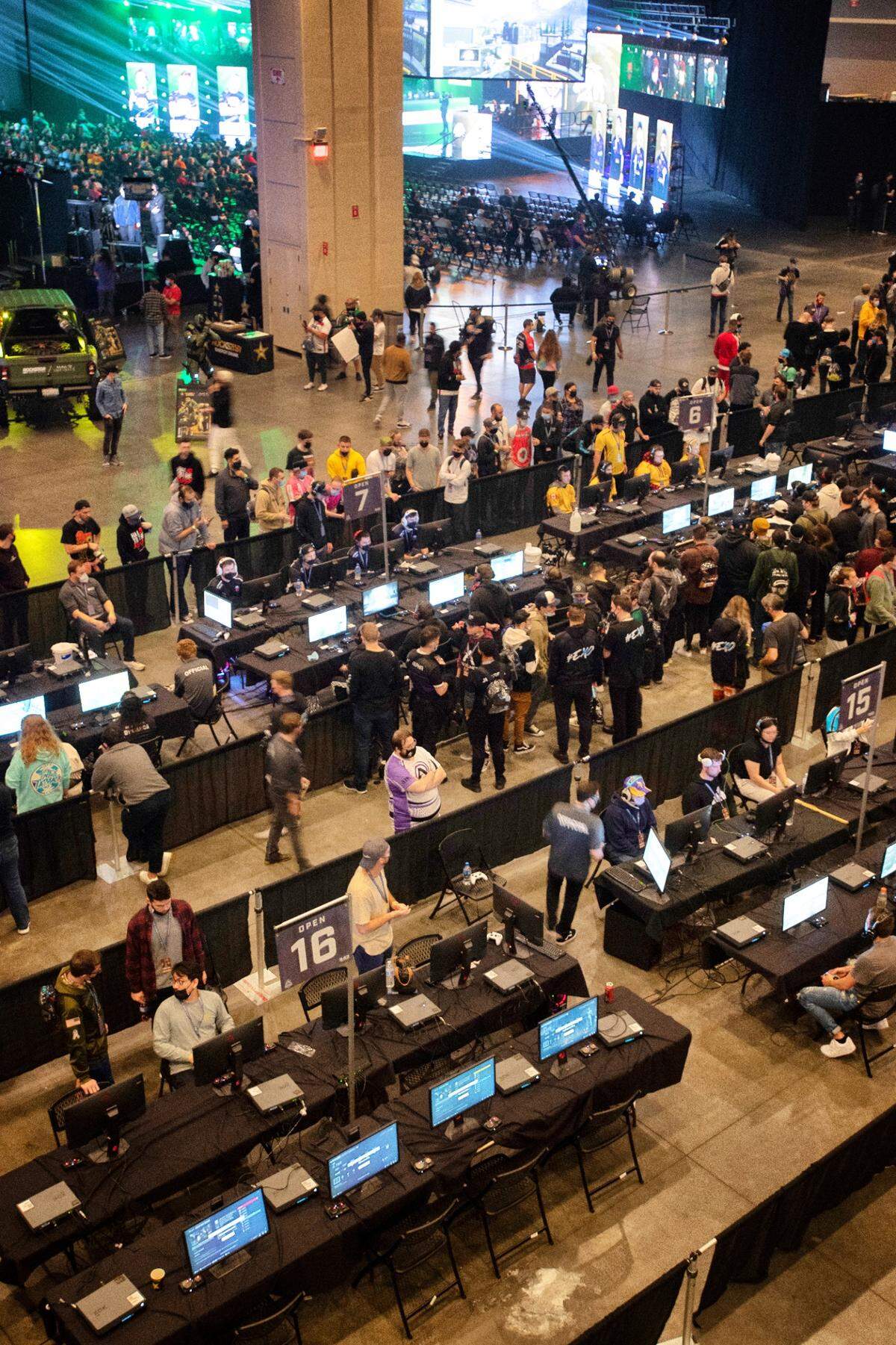
On a Friday afternoon in December, the crowd buzzed with anticipation. Thousands of people had been milling around, checking out merchandise kiosks with team apparel, noshing on concession-stand burgers and beer, catching up with other spectators.
But now they settled into the seats, eyes gazing at the large screens above showing the action between two teams. Announcers, some of the greats of the past, narrated the action, discussed strategy and called out the best plays and players. The more knowledgeable fans could sense the biggest moments right before they happened, creating a slight hum.
Two production trucks beamed the action from Raleigh to a worldwide audience watching online through four separate channels. Advertisers hoping to reach the mostly male, mostly younger audience flashed their logos — the U.S. Marines, the latest “Matrix” movie, Rockstar Energy Drink — all over the arena.
And on stage, XSET with Cratos, FilthyG, Suspector and Porky J defeated Spacestation’s foursome of Tylenul, Ace, Tusk and Deciting in Halo Infinite pool play at the Halo Championship Series’ Kickoff Major Raleigh.
What, you were expecting the Tar Heels and Wolfpack?
No, the three-day Halo Championship Series event, which attracted nearly 250 four-person teams from around the world to the Raleigh Convention Center for a chance to win part of the $350,000 prize pool and up to 25,000 series points, is the biggest esports event to date in North Carolina.
Local and state officials are working to make sure it is not the last. To make sure esports is as much a part of the state’s allure as college basketball and barbecue. And they’ve put real money behind that effort.
The two-year state budget, passed late last year, included more than $28 million for esports ventures, including $10 million for grants to help bring esports events to North Carolina.
“Once we passed the budget and that was in there, the response has been almost nonstop,” said Rep. Jason Saine, a Lincolnton Republican and the driving force behind the appropriations.
What is esports gaming?
Saine, 48, is a deputy chair of the Republican conference, a member of the appropriations committee — and a self-professed gamer. He plays “Call of Duty” after 9 p.m. most nights.
“It consumes my time. That doesn’t mean I’m great,” said Saine, who has built custom desktop computers for gaming for friends and for his 13-year-old son.
He and his son attended the Fortnite World Cup Finals in the summer of 2019 in Queens, New York, in the same stadium where the U.S. Open tennis event is held. The prize pool for the event was $30 million.
“I walked into this venue with all these parents and all these kids. I know what we spent as a family. This is a lot of money. If we can kind of capture that,” Saine thought.
Global esports revenues were projected to reach $1.1 billion in 2020, Forbes reported.
Esports is the overarching term for competitive multiplayer video gaming. Much like track and field encompasses a variety of sports and disciplines, so does esports. “Halo” is just one of the games. “Fortnite,” made by Cary’s Epic Games, is another. Other game titles include “Overwatch,” “League of Legends,” “NBA2K,” “FIFA,” “Madden,” “Rainbow Six” and “Super Smash Bros.”
Cloud9, a top American team, fields professional teams in 13 different games, including “Fortnite” and “Halo.” Its “Halo” team won the Raleigh event, claiming the $140,000 first-place prize with a victory over eUnited in the final before a standing room-only crowd.
Economic impact for Triangle
The “Halo” event was the latest achievement for local organizers who have been working to turn the Raleigh area into a destination for esports. Team Empire, with Russian players, won $200,000 for first place in the Six Major Raleigh 2019 “Rainbow Six” tournament, which had 16 teams competing in the event — the first major event in Raleigh.
About three years ago, the Greater Raleigh Esports Local Organizing Committee (GRELOC) was formed to help bring esports events and other gaming activity to the area. GRELOC is part of the Greater Raleigh Sports Alliance, which is part of the Greater Raleigh Convention and Visitors Bureau.
“We’re looking to encourage esports events and activities and programs and groups to host events, collaborate, develop. We want that community to thrive here in Greater Raleigh,” said Ed Tomasi, the co-chair of GRELOC.
Tomasi said his group looks at three types of events: local, regional and national/international, such as the Halo Championship Series. It could be helping local groups find hotel rooms, securing the high-speed internet needed to keep the games going or educating police departments and security firms about the spectators, who sometimes come dressed as game characters with fake weapons, so as to not cause alarm.
This event brought sellouts to the two large hotels closest to the convention center. Other fans and teams booked hotels between the center and the airport. Downtown restaurants saw additional customers. But, local organizers said, the impact extends to other industries needed to run a large production: technology staffers, makeup artists, catering businesses.
“There’s direct economic impact for this stuff. We like to refer to heads in beds, but it goes so far beyond that with these events and the economic development side of it.,” said Loren Gold, the executive vice president of the Greater Raleigh Convention and Visitors Bureau.
Several towns in Wake County are forming recreational esports leagues, and some schools have created clubs. Large events help the region’s “quality of place,” Tomasi said, as companies with younger employees look to move into the area.
“We don’t want to look at it from a transactional standpoint. This is launching and building and elevating our ecosystem in the state,“ Gold said. “With the production incentive, the landing strip is there for us to take this to the next level.”
NC grants for gaming tournaments
The Esports Industry Grant Fund included $5 million in the state budget for each of the current and next fiscal year. A production company must spend $250,000 in qualifying expenses for a single esports production to be eligible for a grant from the fund, which can be no more than 25% of qualifying expenses. The production company — which has to display promotional logos, links or statements about it being recorded or broadcast from North Carolina — must put on the event, then submit its qualifying expenses.
The production costs for the Halo Championship Series event were between $750,000 and $1 million, Gold said. It is not eligible for the recently passed incentive.
“It’s a game-changer for us globally. It got us on a lot of people’s radar quickly,” said Gold, who expects to be able to announce other major events coming to the area soon.
Troy Fisher is a 26-year-old sprinkler fitter from New Mexico and considers himself a top amateur player in “Halo.” He plays four to six hours each weekday and tries to get in eight hours on weekends.
“It’s like a second job, honestly,” said Fisher, who was in Raleigh to compete for Kryptic Gaming in the Halo Championship Series’ open competition. He wore the patches of several sponsors on his purple team shirt. Fisher was hoping that he or his team would perform well enough to win substantial prize money and to catch the eye of a large professional team.
“Bigger awards which brings in bigger salaries which would gives us all the privilege of stopping our jobs and in turn going after our dream career,” Fisher said.
Thus being in Raleigh for the first major tournament was important.
“It’s warm, much warmer than New Mexico,” Fisher said of the mid-December weather. Other things he looks for in a host city: “I would just say easy parking, ease and convenience to the events, theft down. That’s a big thing. It has met every expectation we needed.”
It wasn’t just the participants and in-person fans who got exposed to Raleigh. More than 4 million hours of competition from the site were viewed across all platforms during 37 hours of coverage, according to Esports Charts. The event averaged more than 114,000 viewers and peaked with more than 267,000.
Those viewers were consistently exposed to logos with Raleigh in them as well as shots of the city and skyline.
“It puts Raleigh on a global scale to viewers. It’s marketing gold. We can’t pay for that kind of reach through traditional marketing channels,” Gold said.
Alex Pendergast, a junior at N.C. State who plays on the school’s “Overwatch” team, worked the event as an official in the open bracket. Esports Engine, the company that produced the event, reached out looking for local workers.
“It’s exciting, everyone getting together like this,” said Pendergast, an electrical engineering major. “It really shows how big the community is around something like this. You wouldn’t expect a video game tournament to bring out thousands of people, bring this type of energy, but it does.”
For more North Carolina government and politics news, listen to the Under the Dome politics podcast from The News & Observer and the NC Insider. You can find it at link.chtbl.com/underthedomenc or wherever you get your podcasts.
This story was originally published January 12, 2022 at 6:00 AM.