Plenty of pork in new NC budget, with millions heading home to top lawmakers’ districts
READ MORE
The state is flush — and it’s keeping the cash
North Carolina’s 2022 state budget, written by a small group of powerful politicians, passed into law with no opportunities for others to ask for changes. The big winner is the state savings fund, while money for state worker pay, tax cuts and Medicaid expansion are losers. Follow the money and take a deep dive behind the scenes.
Expand All
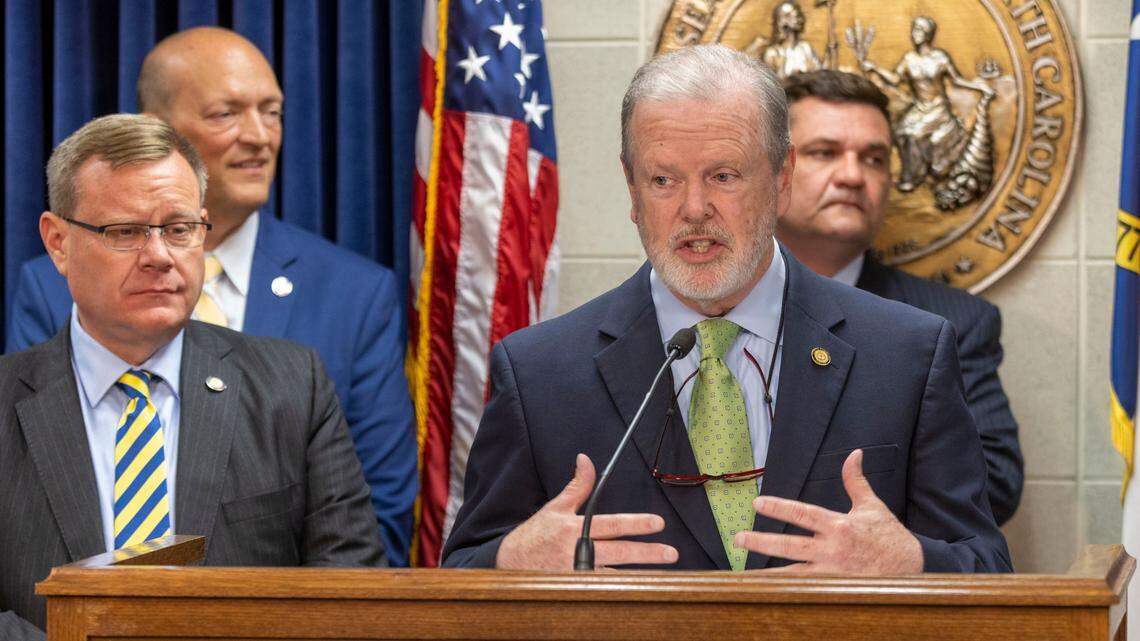
With inflation raging and recession feared, NC budget focuses on saving, not spending
Plenty of pork in new NC budget, with millions heading home to top lawmakers’ districts
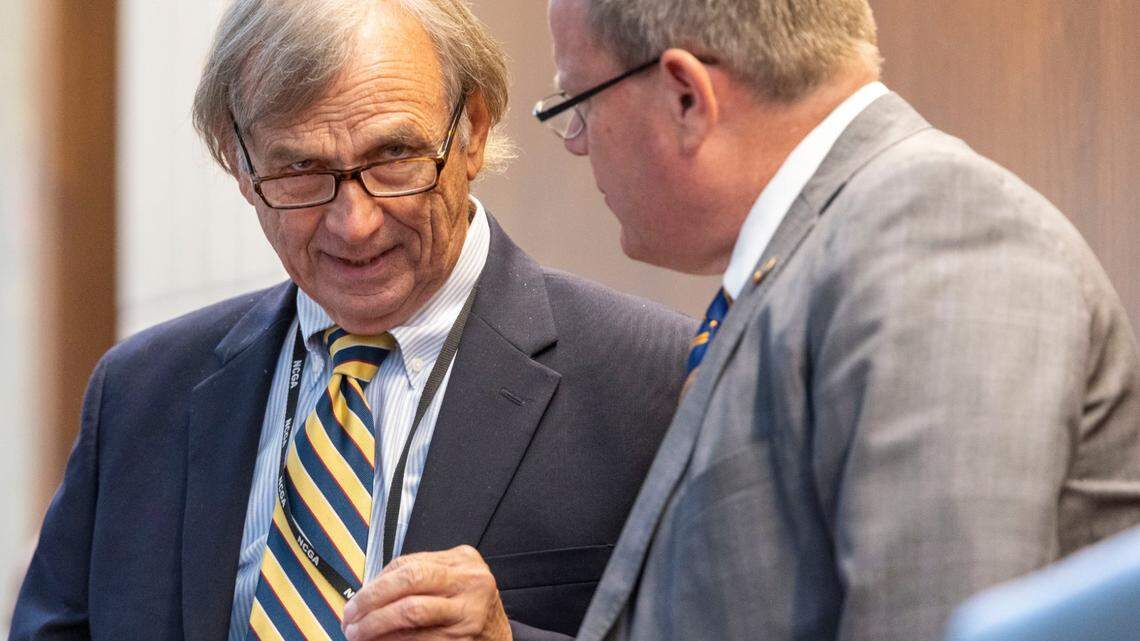
New NC budget written in secret, with no input from the public or even many legislators
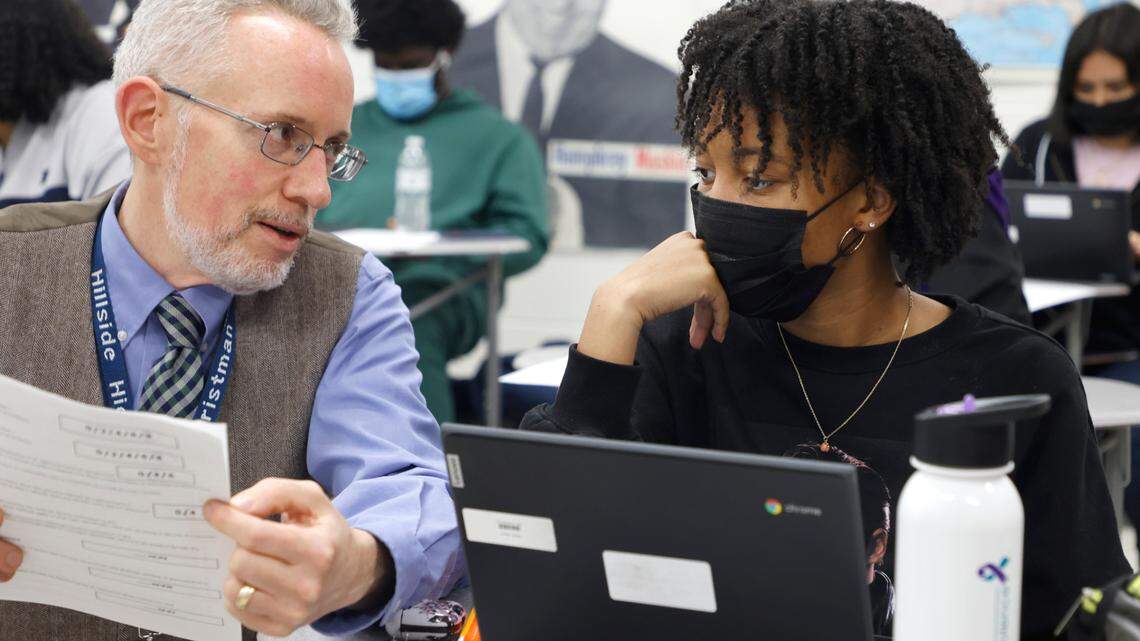
Do you get paid by the state of North Carolina? Here’s your raise this year
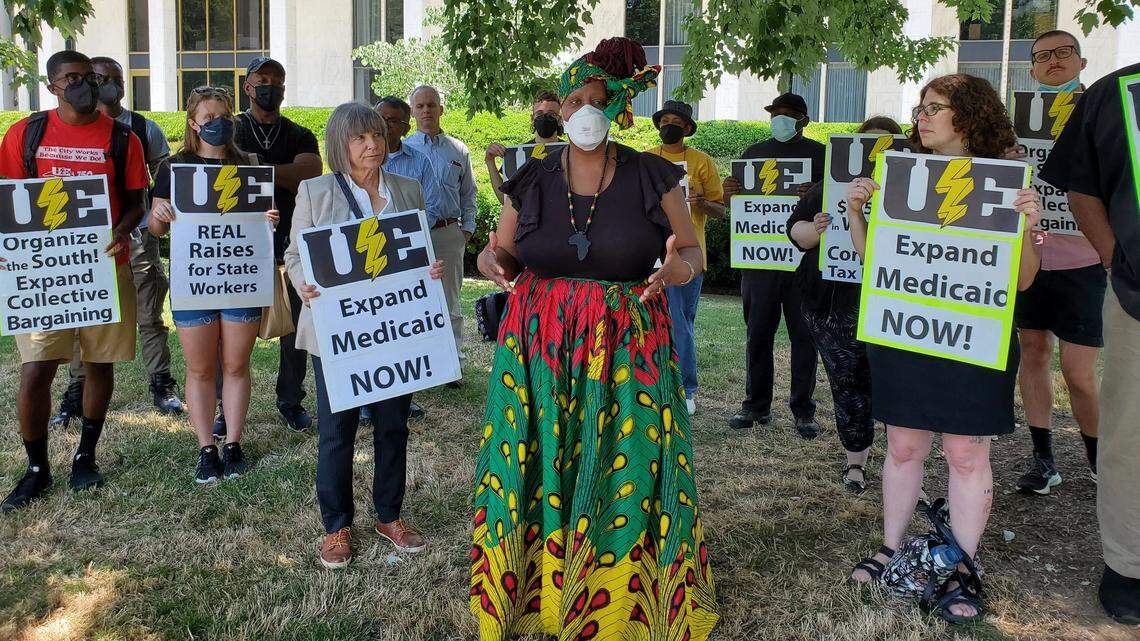
5 things to know about the state budget now that it’s law in North Carolina
Pork. It’s the only acceptable barbecue in these parts, and it’s also the subject of tens of millions of dollars in the new state budget.
The money isn’t going to real pigs — although there is $1.5 million to help farmers turn hog waste into usable energy — but rather, this is about “pork barrel” spending. There’s a long, bipartisan tradition in American politics of powerful people sending tax dollars back home, called pork barrel spending or simply “pork,” and North Carolina’s new state budget proudly continues that tradition.
Senate leader Phil Berger’s district is getting just under $4 million this year — set to grow to $5.5 million per year in the future — for a new youth detention center, currently under construction in Reidsville, that will start hiring this summer and eventually create dozens of jobs for locals.
In Sampson County, home to influential budget writer Sen. Brent Jackson, local nonprofit Star Communications is getting $21 million to build itself a new headquarters from which to run its rural internet services, plus the sheriff will receive $1 million from the state on top of his regular funding from the county.
In total, over $5 million is being sent directly to a handful of police departments and sheriff’s offices, many of them in areas represented by legislative budget writers and other influential politicians.
The budget spends another $12 million helping pay for improvements at three county courthouses — in Cleveland County, home to House Speaker Tim Moore, and in Gaston and Caldwell counties, which are both home to other Republicans in powerful leadership positions.

Rural areas benefit
The projects tend to be aimed at more rural areas, and some show political undertones.
The Republican Party has been heavily courting Native American voters in southeastern North Carolina in the past few years, and the new budget gives close to $2 million to the Lumbee Tribe in Robeson County, plus over $1 million for revitalizing downtown Lumberton.
In the mountains, Mitchell County, home to powerful Republican Sen. Ralph Hise, is getting $2 million from the state to build a new rec center. That’s double the county’s annual budget for construction, and the recreation department, combined.
Lincoln County outside Charlotte, home to another lead budget writer in Rep. Jason Saine, also fared well. The budget sends over $7 million there, largely to help out several local volunteer fire departments and to build new high school sports facilities — which is typically the responsibility of a local school board, not the state. A handful of other school boards also got funding for construction projects, like $2.5 million to update two high schools in the Gastonia area and $4 million for athletics improvements at a Wilkesboro high school.
Some small towns also made out handsomely. The Eastern North Carolina towns of Bladenboro, Caswell Beach and Gaston, which have around 3,000 residents combined, received over $3 million in the new budget. The Gibsonville Police Department, whose website shows it has a staff of 19 sworn officers including the chief, got $1 million — over $50,000 per person.
NC cities miss out
The state’s more urban areas did not see similar treatment.
Budget documents show the governments of the 12 cities and towns that mostly make up Wake County — Raleigh, Garner, Cary, Morrisville, Apex, Holly Springs, Fuquay-Varina, Knightdale, Wendell, Zebulon, Rolesville and Wake Forest — received a combined $0.
Charlotte also didn’t get anything, nor did Greensboro, Durham or most of the state’s other biggest cities.
However, just because the local governments in the urban areas themselves were left out doesn’t mean no money flowed into those communities. The budget did still pay them some attention, in the form of various nonprofits and other groups in the urban areas.
Buncombe County, home to Asheville, received at least $500,000 for a crisis pregnancy center, the Mountain Area Pregnancy Center, which was vandalized in June while the budget was being written. New Hanover County, home to Wilmington, got $2.2 million split among various charities like the local arts council and a group focused on support dogs.
There’s also $150,000 for the YMCA near N.C. State University in Raleigh, $2.2 million for a Durham group focused on helping minority business owners and $10 million for a new museum at the Charlotte airport, among other projects. There’s hundreds of millions in spending for local universities, plus economic development funds that will likely benefit the metro areas.
And downtown Raleigh will see plenty of construction due to the new budget, which orders several state government office buildings to be torn down, and new ones built, at a $250 million price tag.
Here are figures for some notable counties The News & Observer decided to analyze in the new budget, either because they’re major urban areas or they’re home to powerful lawmakers. This analysis doesn’t account for the regular funding to public schools and universities in those counties, or other parts of state government like prisons. Rather, it focuses on one-time money transfers to local governments, charities, museums and other causes that the budget had to single out specifically.
▪ Wake: $330,000
▪ Mecklenburg: $11.2 million
▪ Guilford: $1.3 million
▪ Durham: $2.35 million
▪ Buncombe: $550,000
▪ New Hanover: $2.2 million
▪ Cumberland: $3.9 million
▪ Cleveland: $8.875 million
▪ Rockingham: $2.3 million
▪ Sampson: $24.7 million
▪ Wayne: $3.6 million
▪ Gaston: $10.7 million
▪ Lincoln: $7,170,920
▪ Robeson: $3.2 million
A final caveat: The above is not necessarily a complete accounting, since the budget isn’t always clear about exactly where money is going (at least geographically speaking). The N&O tracked down many of the more vague line items in the budget, but it’s possible some slipped through the cracks.
For more North Carolina government and politics news, listen to the Under the Dome politics podcast from The News & Observer and the NC Insider. You can find it at https://campsite.bio/underthedome or wherever you get your podcasts.
This story was originally published July 20, 2022 at 6:00 AM.