
How do NC lawmakers compare to the rest of the state’s population? What the data shows
The North Carolina General Assembly’s 170 lawmakers represent about 10.7 million people. But how do they compare to the people they represent?
We took a look at the 120 House representatives and 50 senators to see who they are in terms of race, gender, occupation and where they went to school. And of course, party.
While by some measures they reflect the population, in others they very much do not.
Here’s our breakdown, based on data from the House and Senate clerks’ offices:
Republicans vs. Democrats
In the House, there are 71 Republicans and 49 Democrats.
In the Senate, there are 30 Republicans and 20 Democrats.
Of registered voters by party affiliation, unaffiliated voters are the largest voting group in North Carolina, followed by Democrats and then Republicans.

How many women are in the NC legislature?
Women make up 51% of the North Carolina population. In the General Assembly as a whole, 29% of lawmakers are women.
There are 33 women in the state House, out of 120 members. Of those women, 25 are Democrats and eight are Republicans.
In the Senate, there are 17 women, including 13 Democrats and four Republicans. For Democrats, women are now their majority of senators at 13 of 20 in that party.
None of the four top leaders in the legislature are women.
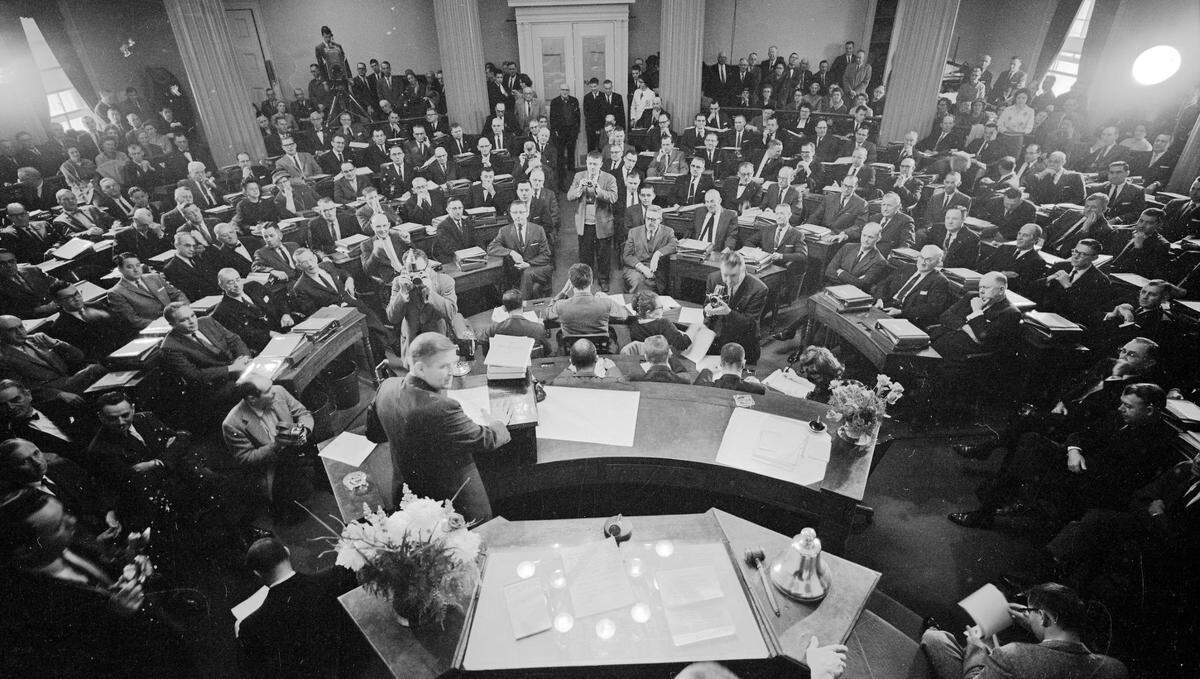
General Assembly racial demographics
According to the U.S. Census, 70% of North Carolinians are white. The state’s population is 22% Black or African American; 10% Hispanic or Latino; 3% Asian; and fewer than 3% each for people listed as American Indian and Alaska Native; Native Hawaiian and other Pacific Islander; or two or more races.
In the House, there are 26 African American representatives; one American Indian representative, Rep. Jarrod Lowery, a freshman Republican from Robeson County; and two Asian American representatives.
That’s an increase in Asian American representation, which stood at zero last year. Democratic Reps. Maria Cervania and Ya Liu are both new to the House.
The 26 African American House members make up 21% of the chamber, with one Republican and 25 Democrats.
In the Senate, there are nine African American senators, who are all Democrats, as are the two senators who are Indian-American. No other racial demographics are listed in legislative data for either chamber.
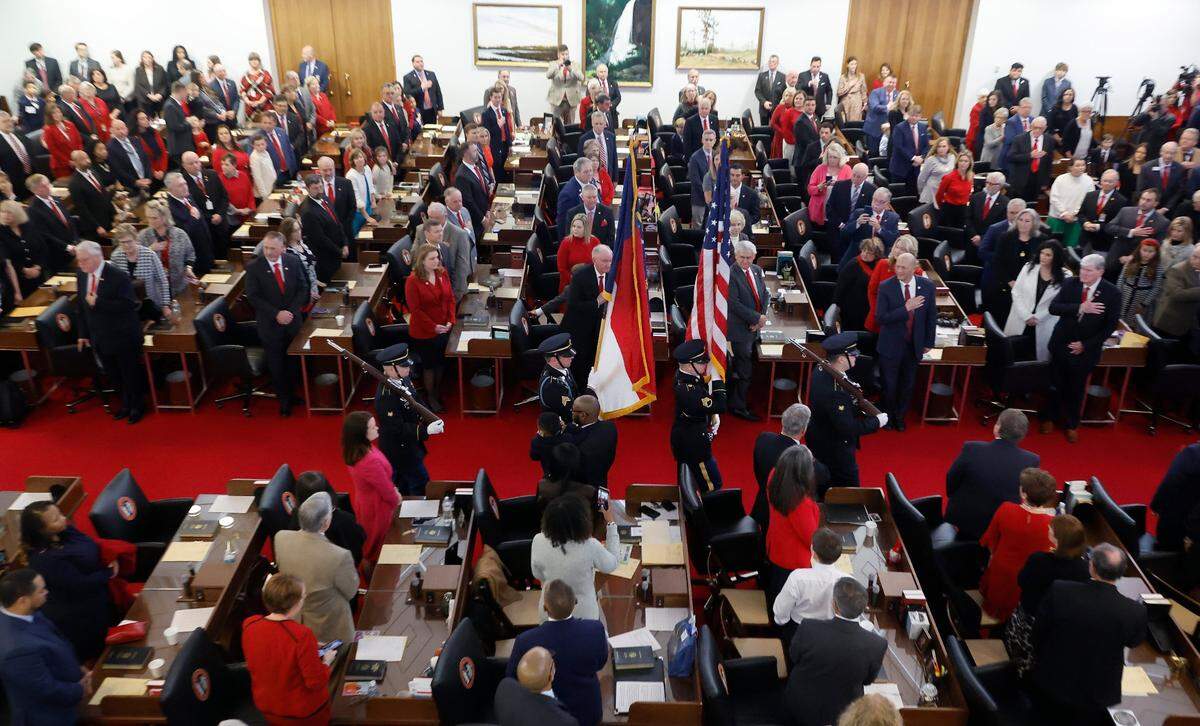
How many lawmakers are lawyers?
The image of state legislatures being filled with lawyers is somewhat true. There are 15 House members and 14 senators who list their occupations as attorney or lawyer.
The top leadership of both parties — Republican House Speaker Tim Moore, Republican Senate leader Phil Berger, Democratic House Minority Leader Robert Reives and Democratic Senate Minority Leader Dan Blue — are all attorneys.
Lawmakers who majored in political science, history
If you’re wondering if majoring in political science will come in handy later, it has for several lawmakers including House Speaker Tim Moore, who got his undergraduate degree from UNC-Chapel Hill.
In the House, Moore and 15 other representatives earned bachelor’s degrees in political science, and another got a master’s degree in the subject. In the Senate, five people are recipients of degrees in political science.
Four House members have bachelor’s degrees in history, and two senators do.
NC lawmakers who are farmers
Agriculture is a major business in North Carolina, which is among the top-ranked growers of sweet potatoes and Christmas trees, among other crops.
There are just four farmers in the House, and only two of them list “farmer” as their primary occupation: Rep. William Brisson and Rep. Jimmy Dixon, who are both Republicans. In the Senate, there’s only one farmer, Republican Sen. Brent Jackson, who also describes his job as agribusiness, as does Sen. Lisa Stone Barnes. Dixon, Barnes and Jackson chair their chambers’ agriculture committees.
UNC graduates in the legislature
Not all state lawmakers have college degrees, but those who do mostly come from one place: UNC-Chapel Hill.
Of 120 House members, the most common alma mater is UNC-Chapel Hill, with 25 degrees, including multiple degrees among some lawmakers, followed by eight UNC-Charlotte degrees and five or fewer from other schools.
In the Senate, senators can count 17 degrees from UNC-Chapel Hill among them, followed by 10 from N.C. State University.

NC lawmakers who have served in the military
The Senate has six members who have served in the military. The House has 19 military veterans.
There are more than 720,000 military veterans living in North Carolina. Just under 15% of lawmakers have military experience, which is more than double the nearly 7% of North Carolinians who are veterans.
How many are retired
Not everyone at the General Assembly has a job outside of the Legislative Building, even though lawmakers’ annual salary is less than $14,000 a year plus a daily per diem and mileage.
Several lawmakers have jobs in real estate, business and ministry.
Many state lawmakers listed their occupation as retired, or as simply a legislator, or did not list an occupation. The largest group is retirees, with some listing what they did before retiring. The House ranks include four law-enforcement retirees, a retired judge and a retired fire captain.
This story was originally published February 9, 2023 at 9:05 AM.
.jpg)