Why a Christian anti-abortion group in Texas is in line for $10M in NC taxpayer money
When Human Coalition first appeared in the North Carolina state budget in 2017, it received $600,000 over two years to “assist women experiencing crisis pregnancies to continue their pregnancies to full term.”
Since then, state funding for the Christian anti-abortion group has increased by $5.8 million — about 965%.
Now Republican legislators want to increase funding for Texas-based organization to $10 million over two years, even though doctors, abortion-rights advocates and state agencies have raised concerns about the organization’s practices and a government watchdog group has accused Human Coalition of using tax dollars for religious purposes.
And starting with this budget cycle, the funding would be “recurring,” which means Human Coalition would automatically receive the money every two years.
This is happening as North Carolina’s abortion clinics are seeing an influx of pregnant women coming from states where abortion is illegal due to the fall of Roe v. Wade.
Human Coalition is acutely aware of this influx. It would use the millions of dollars in additional funding from this year’s budget to reach those women, Rev. Dean Nelson, vice president of government relations with Human Coalition, said in an interview.
“We do expect, quite honestly, for more women to be coming into the state of North Carolina seeking an abortion,”said Nelson, who is based in Texas. “We want to make sure that we’re able to provide the same type of quality care for all the women.”
“Business-minded, tech-aware crisis pregnancy center”
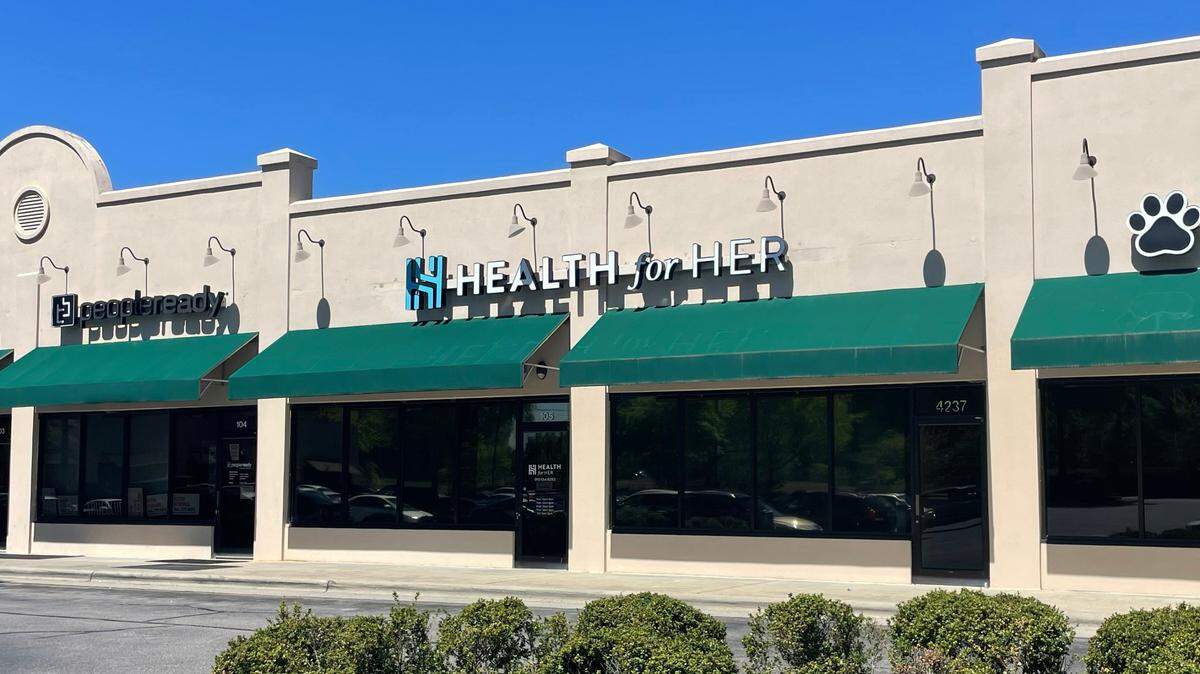
Human Coalition operates two brick-and-mortar centers in North Carolina — one in Raleigh and one in Charlotte.
Online, each center’s address is linked to multiple names and websites, like “Health for Her” and “The Women’s Clinic.” Abortion-rights advocates say the company intentionally uses multiple names to confuse and deceive women.
What sets Human Coalition apart from the dozens of other crisis pregnancy centers in North Carolina is its online presence, said Shireen Rose Shakouri, the deputy director of Reproaction, an abortion-rights group that tracks crisis pregnancy centers across the country.
“They have made a name for themselves as a kind of business-minded, tech-aware crisis pregnancy center,” said Shakouri.
Nelson said Human Coalition uses targeted advertisements that are designed to pop up when people type in search terms related to abortion or pregnancy. These ads are a major expense for the company, he said.
“We’re competing with abortion clinics, which often have a lot more money than we do,” he said.
Many abortion-rights advocates say these advertisements, and the websites they link to, intentionally mimic the logos and websites of abortion clinics to trick people who want an abortion into calling their number.
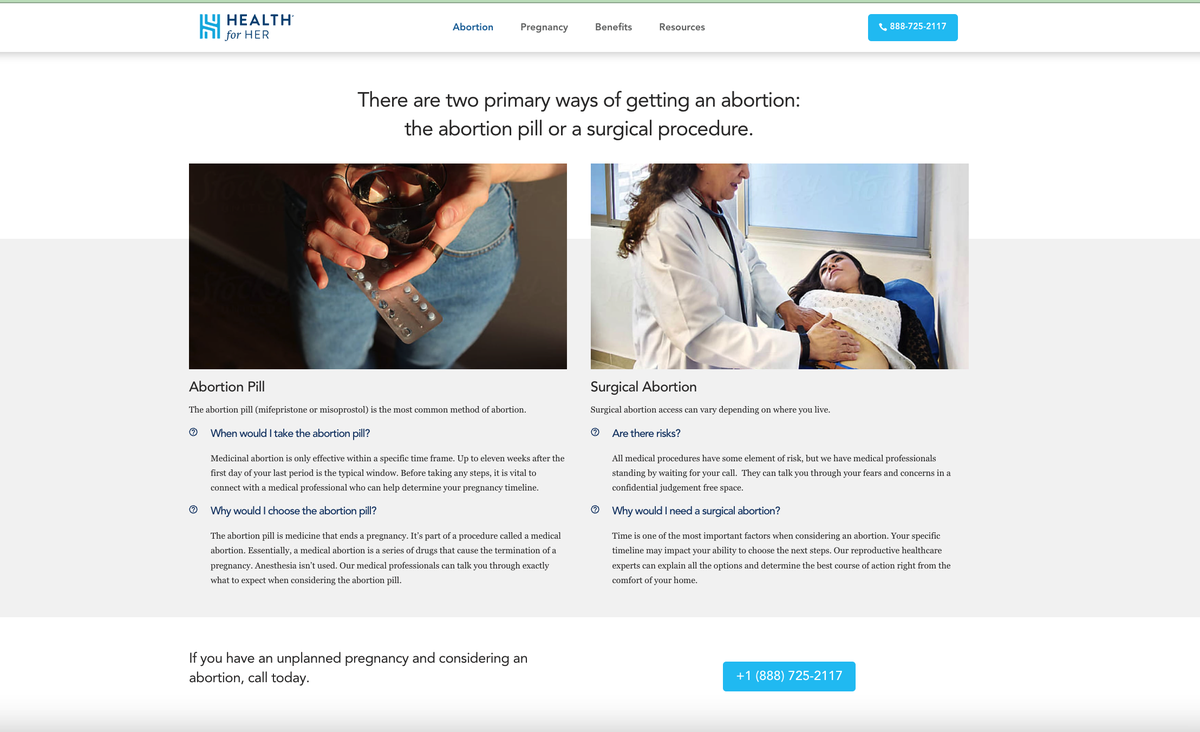
One website affiliated with the group gives detailed information about abortion care, including the types of abortions, potential side effects and insurance coverage.
“Our clinic is a confidential and judgment-free space for you to learn about your abortion options,” the website reads.
The site does not state its relationship with Human Coalition or the company’s anti-abortion ambitions.
In small print at the very bottom of the page, the website notes that it does not perform or refer women for elective abortions.
Even to someone who works in the reproductive health field, like Amber Gavin, the Health for Her website is nearly indistinguishable from an abortion clinic’s website.
“Wow, this one is really good,” said Gavin, who works for an abortion clinic group called A Woman’s Choice. “I can’t even tell — that’s really disturbing.”
Nelson denied that his organization models its websites to look like abortion clinic websites. He said the website design focuses on “engaging with women.”
“Sometimes in that engagement, we will use abortion or abortion-related terms,” he said.
Scant Oversight
Human Coalition refers pregnant people to many services that abortion-rights advocates support, like help to find work, social services and housing.
The organization has referred more than 2,000 North Carolinians to state and federal programs for low-income women, like Medicaid, SNAP and WIC, since July 2021, Nelson said.
But some question whether these services should be entrusted to an organization with limited oversight and a questionable track record.
In a 2022 New York Times investigation, several women in North Carolina said they felt deceived by Human Coalition’s advertising and centers.
One Charlotte woman said an employee told her she could never get pregnant again if she had an abortion. Another woman said an employee incorrectly said her pregnancy was several weeks further along than it actually was, which would have made her ineligible for a medication abortion.
Human Coalition’s centers are not licensed or inspected by the state, as abortion clinics are in North Carolina.
In a 2019 report to the Joint Legislative Oversight Committee, the N.C. Department of Health and Human Services said it could not recommend allocating any more money to Human Coalition.
“The model being piloted by the Human Coalition has not been subject to independent research or evaluation,” the department report said. “Therefore, it cannot be identified as evidence-based or even a best practice.”
The report also noted that Human Coalition did not provide requested information — “despite the Department’s best efforts” — about the timeline and cost of expanding its program in North Carolina.
The following year, funding more than doubled anyway — from $2.4 million in 2019 to $6.4 million in 2021.
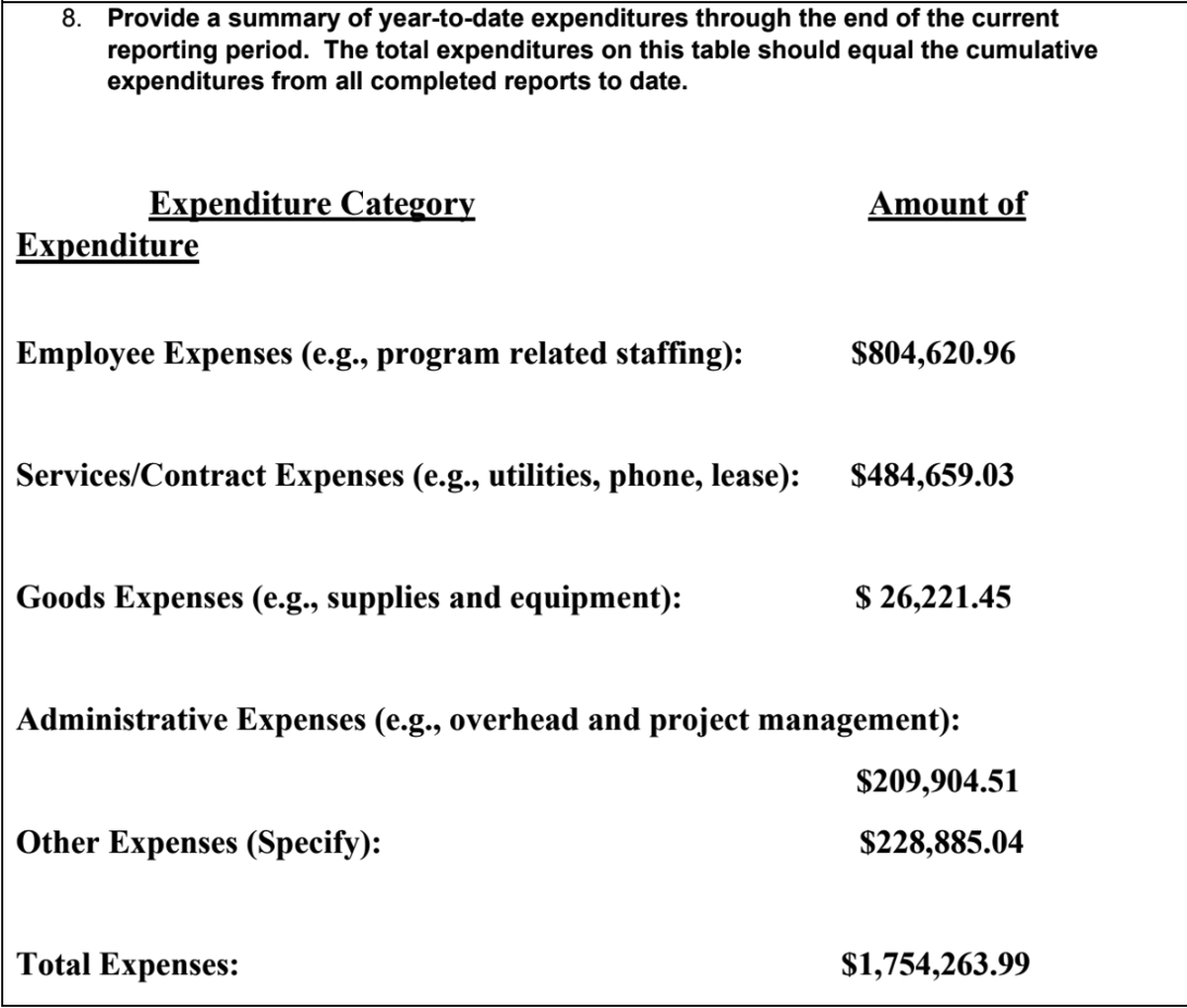
The quarterly reports submitted to DHHS since then give little information about how Human Coalition is using the millions of dollars of state money, said Rep. Julie von Haefen, a Wake County Democrat and vocal opponent of state funding for crisis pregnancy centers.
Expenditures are broken out into broad categories like “employee expenses” and “administrative expenses.” In its most recent report submitted to the state, Human Coalition reported that more than $200,000 of taxpayer money was spent on “other expenses.”
“There’s no record in these reports of how many offices they have, how many staff they have, how many employees they have,” von Haefen said. “These reports are extremely bare bones.”
Advocacy groups have also raised concerns about whether Human Coalition, a Christian organization, misuses state funds for religious purposes.
In 2019, watchdog nonprofit Campaign for Accountability called on the state to end its contract with Human Coalition over allegations that they spent taxpayer money on proselytizing.
The group pointed specifically to Human Coalition’s mentorship program for pregnant women, which the website explicitly says will help “connect the mom with a local church body, so she can continue growing in her knowledge and understanding of Jesus.”
Last week, von Haefen proposed taking millions of dollars away from Human Coalition and giving it to the Nurse Family Partnership, a national nonprofit that has improved maternal outcomes in several randomized controlled trials. The amendment did not pass.
Teddy Rosenbluth covers science and health care for The News & Observer in a position funded by Duke Health and the Burroughs Wellcome Fund. The N&O maintains full editorial control of the work.
This story was originally published April 13, 2023 at 5:30 AM.