Cancer survivor and powerful NC lawmaker says medical marijuana saved him
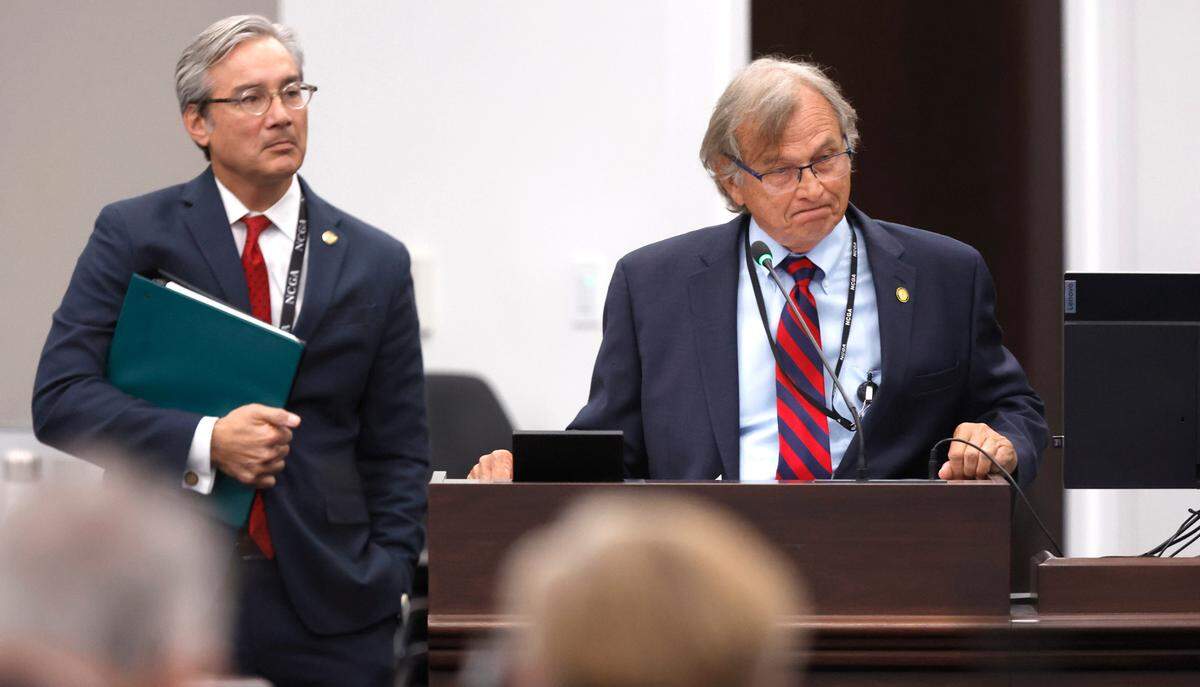
During a hearing Tuesday on medical marijuana in the North Carolina House, a powerful senator shared his experience using marijuana illegally while undergoing chemotherapy to treat his cancer.
Sen. Bill Rabon, who had colon cancer, is a lawmaker from Brunswick County and a main sponsor of the “Compassionate Care Act,” which would allow medical marijuana use statewide for people who have cancer, ALS, Parkinson’s disease, epilepsy, post-traumatic stress disorder and other ailments.
It would not allow recreational use and does not cover ailments such as chronic pain. It contains new regulations, licensing fees and requirements, and would offer a limited number of permits for selling the drug, which has drawn criticism that it could lead to a monopoly by corporations.
The legalization bill was discussed in a health committee Tuesday morning without any vote, more than three months after the Senate passed the bill with bipartisan support.
Last year, the bill also passed the Senate but died in the House. It’s prospects in the House remain unclear, with some lawmakers Tuesday expressing support, while others questioned the science behind legalization and whether it was an opening to allowing recreational use down the line.
‘You need to get some good marijuana’
Rabon has been a champion of medical marijuana legalization, with his experience with cancer motivating that drive.
In particular, medical cannabis, he says, can be used to alleviate pain and side effects of chemotherapy.
On Tuesday he said that when he was diagnosed with stage three colon cancer at age 48, his oncologist told him he had 18 months to live and that it was “OK” to “die.”
Three months into treatment, Rabon said he told his doctor he felt no different and that he had already used up “three of his 18.” He asked his doctor to amp up the treatment, with his oncologist telling him “’I’m gonna make you sick. I’m gonna make you real sick. And I don’t know if you can take it but I’m gonna try … you need to get some good marijuana.”
“If you want to live, you better do this,” Rabon said his doctor told him.
What followed was months of treatment and a consistent use of marijuana, said Rabon, now 71 and in his seventh term in the Senate. He credits the drug as “the only reason I’m alive today. No science behind it. But I can tell you, I know, I know, that tens of thousands of people in the state” could benefit.
Some parried this point.
David Evans, from North Carolinians Against Legalizing Marijuana, followed Rabon by saying that “as long as we’re talking about cancer scares, I’ve had cancer three times,” so “I certainly sympathize with anybody with a serious illness.” But “we do not decide medicine in the United States by anecdote or by stories, we decide it based on science.”
“I’m going to ask you to exercise some humility,” he said. “You are not the FDA. You are not qualified to be making this decision.”
According to the National Institutes of Health, a federal agency, research on cannabis and its derivatives shows that it may be helpful in treating certain rare forms of “epilepsy, nausea and vomiting associated with cancer chemotherapy, and loss of appetite and weight loss associated with HIV/AIDS.” Evidence also suggests, per the NIH, modest benefits for chronic pain and multiple sclerosis symptoms.
The NIH also notes that cannabis use is linked to higher risk of motor vehicle crashes and that some people who use cannabis develop cannabis use disorder, which has symptoms such as withdrawal and lack of control, among other negative side effects.
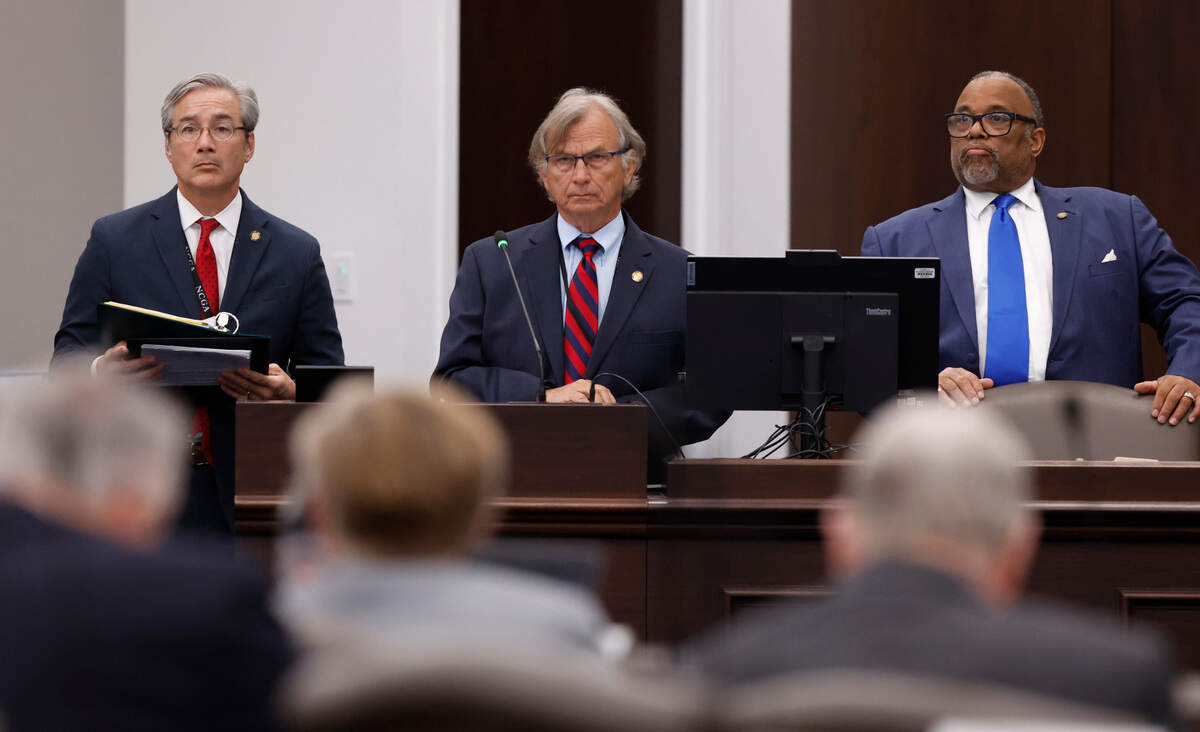
In addition to Rabon, Republican Sen. Michael Lee and Democratic Sen. Paul Lowe sponsored the bill.
This story was originally published May 30, 2023 at 12:56 PM.