Changes proposed to NC’s controversial anti-rioting law. Here’s what they mean.
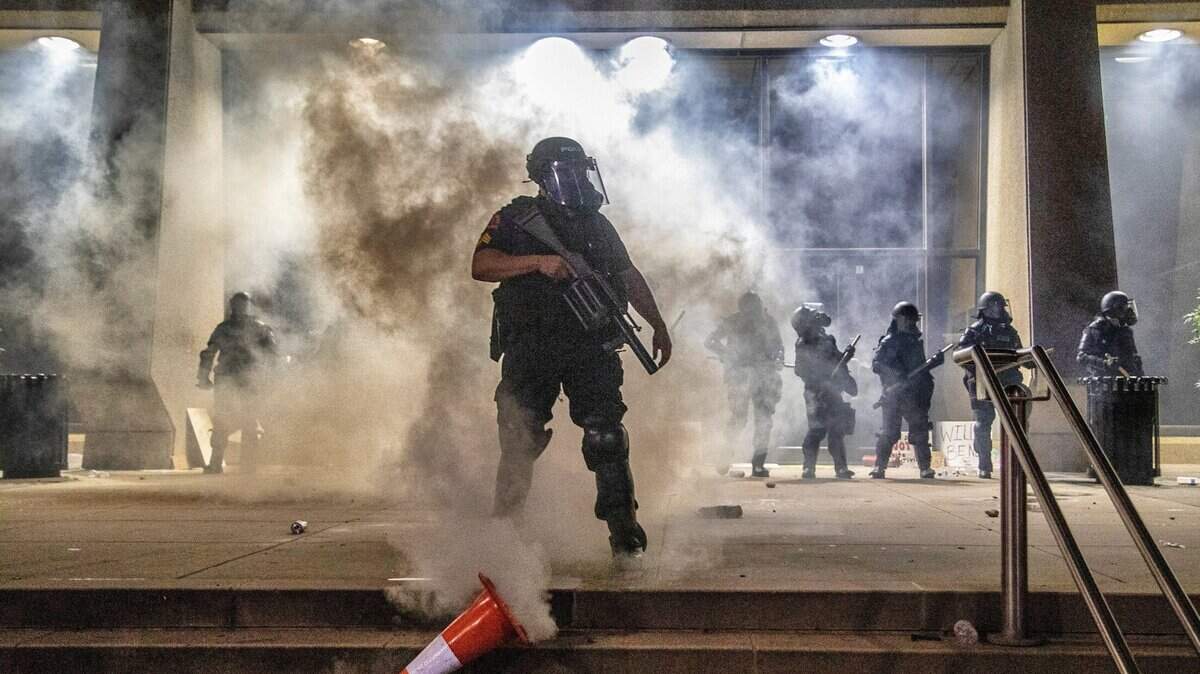
Changes are being proposed to a law passed just this year that raised criminal penalties for rioting and created new offenses related to the crime.
House Bill 40, which passed in March without Gov. Roy Cooper’s signature, was met with controversy, including a federal lawsuit filed by the American Civil Liberties Union of North Carolina that challenged the bill.
HB 40 passed the Republican-controlled General Assembly with the help of one Senate Democrat and six House Democrats, including a few members of the Legislative Black Caucus. Cooper had declined to sign or veto the legislation, allowing it to become law.
“Property damage and violence are already illegal and my continuing concerns about the erosion of the First Amendment and the disparate impacts on communities of color will prevent me from signing this legislation,” Cooper said in a statement at the time.
The bill made it possible to charge any person “who willfully incites or urges” someone to riot to be charged with a misdemeanor or felony, depending on the riot’s effects.
On Tuesday, a House judiciary committee approved Senate Bill 626, a bill that originally only modified laws relating to human trafficking. The version of the bill that advanced Tuesday, though, included provisions that would amend HB 40. The bill passed the House unanimously Wednesday.
Specifically, the changes would remove provisions that made it a crime to “urge” another person to engage in a riot. It would still be a crime to “incite” such an action. Furthermore, the changes replace the phrase “a clear and present danger of a riot” with “is directly and imminently likely to produce a riot,” narrowing the language to be more direct in who might be implicated under the law. SB 626 originally passed the Senate unanimously, but did not include the HB 40 changes.
“I think it was the staff that determined that, based on what they had heard and seen, that by making these changes, it would be more in line with a federal decision that had already come out,” state Sen. Ted Alexander told The News & Observer.
NC lawmakers react to changes
Not all Democrats were satisfied by the changes.
“I still have concerns that the language of the bill is vague and would result in North Carolinians being unfairly detained for attending protests,” House Democratic leader Robert Reives told The N&O.
“I think they recognized in less than three months of the law they passed on the rioting that there were significant problems, especially with the word ‘urge,’ which I think was an unconstitutional restraint on someone’s free speech rights,” former judge and state Rep. Marcia Morey told The N&O. “I am pleased to see that they took out the word ‘urging,’ because that could have been someone running down the street and yelling, ‘You go, guy’ or ‘Go get ‘em.’”
Morey, a Durham Democrat, took issue with the new language that made it a crime to incite something that is “likely to produce a riot,” arguing that the law would then be “looking forward” and authorities would face the task of determining what would have or would not have happened. She also said that the penalties for inciting a riot in HB 40 were “extreme” and “way out of proportion” with other crimes, and encouraged further changes to be made.
“Hopefully, it’ll make things clearer to all of our residents and visitors about what kind of conduct is permissible and what’s not,” state Rep. Vernetta Alston, a Durham Democrat, told The N&O.
Republican Rep. Ted Davis, who presided over Tuesday’s committee meeting on the bill, did not immediately respond to The N&O’s request for comment.
ACLU wants further changes
The ACLU of NC’s lawsuit against the original anti-rioting law sought to halt enforcement of the law’s “plainly unconstitutional portions,” arguing that the law was “overbroad and vague and will function to dissuade people from engaging in lawful protest activities.”
That’s still the case, even though the group is happy about the removal of “urging” language, Sam Davis, an attorney with the ACLU of NC Legal Foundation, told The N&O.
HB 40 currently defines a riot as a “public disturbance involving an assemblage of three or more persons which by disorderly and violent conduct, or the imminent threat of disorderly and violent conduct,results in injury or damage to persons or property or creates a clear and present danger of injury or damage to persons or property.” Davis argued that this definition could implicate people participating in public demonstrations and protests in which disorderly conduct is happening, even if they are unaware of, don’t support or just have nothing to do with that conduct.
In 1969, the U.S. Supreme Court ruled in Brandenburg v. Ohio that speech can be prohibited if it is “directed at inciting or producing imminent lawless action” or is “likely to incite or produce such action.”
This story was originally published June 20, 2023 at 6:20 PM.