
Several candidates have emerged to replace NC’s House Speaker. What the money shows.
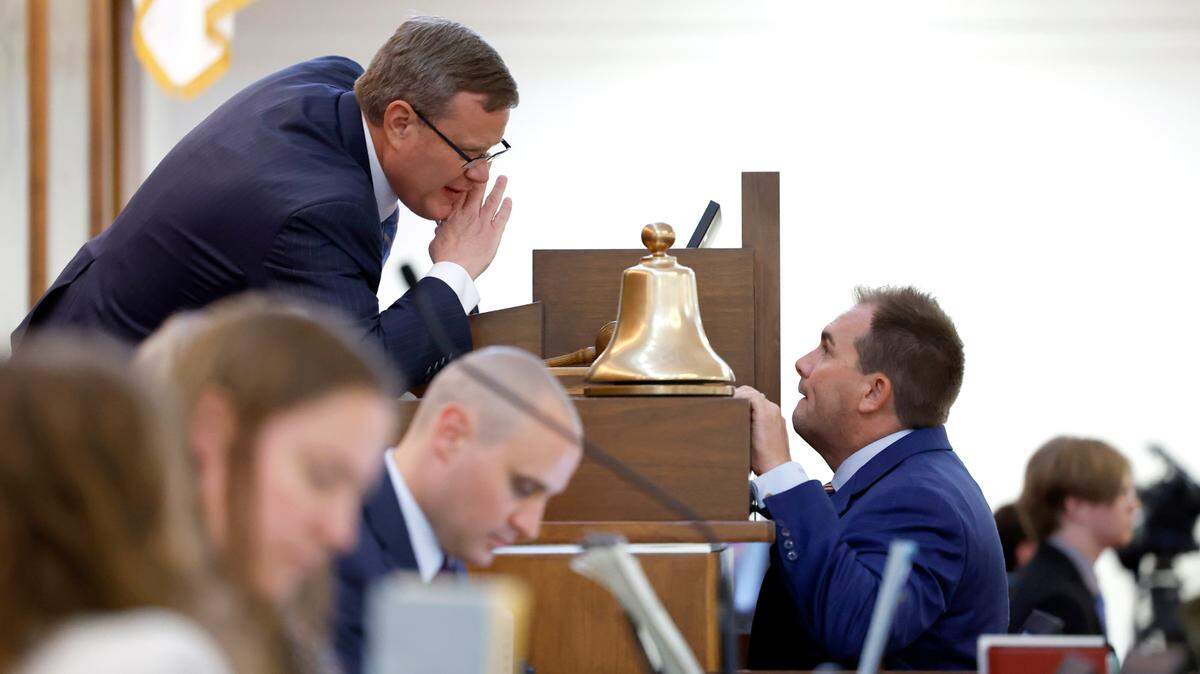
In politics, it never seems too early to talk about future elections.
After the upcoming 2024 elections, one of North Carolina’s most powerful political positions will change hands for the first time in 10 years.
Longtime Speaker of the House Tim Moore, a Kings Mountain Republican, announced in July that he would not seek to extend his record-long party leadership after the current session ends. Several potential successors from the Republican Party, which is likely to retain control of the chamber, have announced their candidacies to replace him.
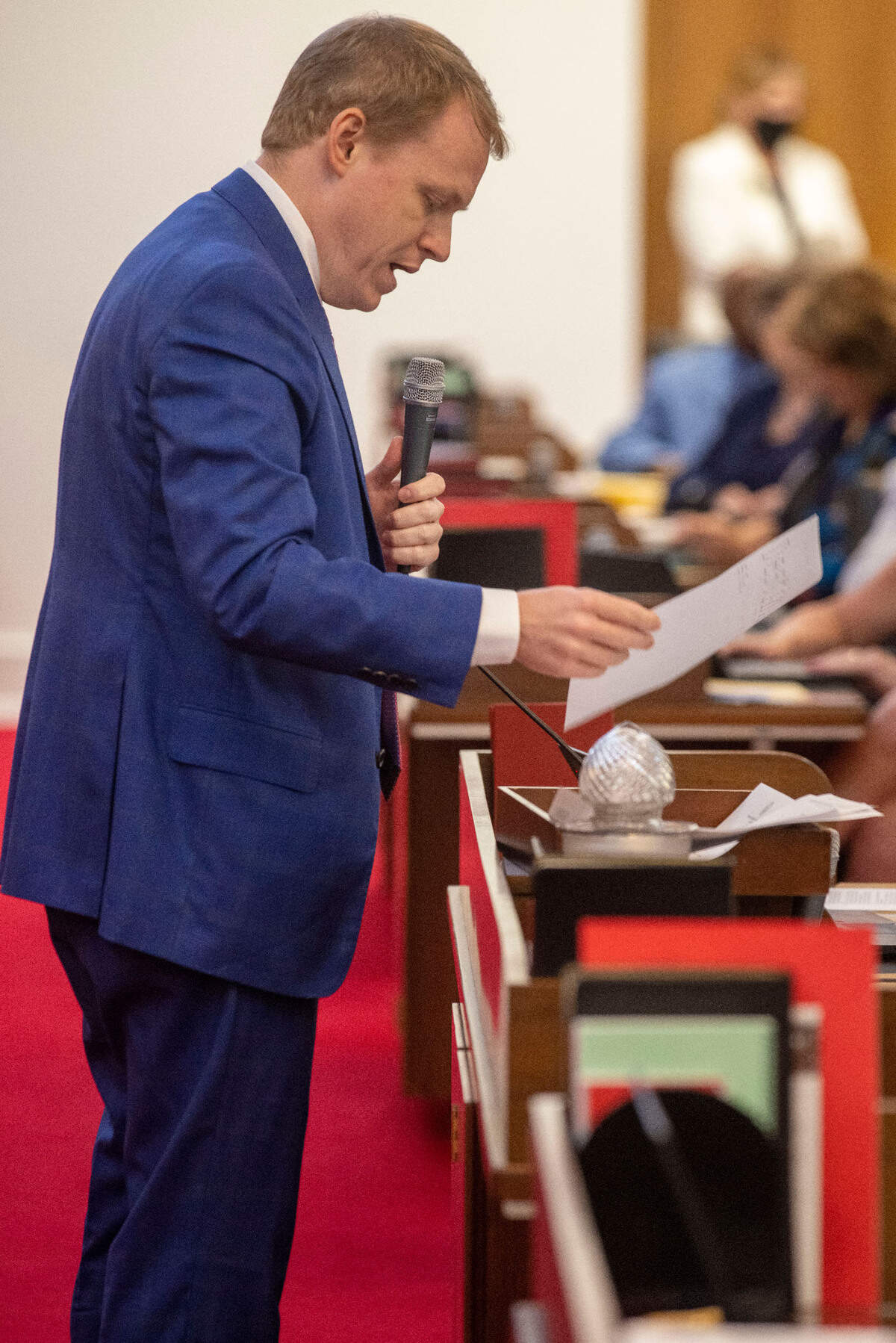
In 2021, when Moore was rumored to have been considering a run for Congress, two prominent state representatives expressed interest in replacing him as speaker. Both men are again leading candidates for the job: Republican House Majority Leader John Bell, of Goldsboro, and House Rules Chair Destin Hall, of Granite Falls.
Bell told The News & Observer on Monday that he is “very humbled and grateful for the support and encouragement I have received from my colleagues, and I look forward to continuing those conversations.”
“I believe I’ve earned their trust and I have done a successful job as their majority leader for the past nearly eight years,” Bell said.
He added that right now he’s “fully focused on finalizing the budget, helping our members have a successful session and ensuring we secure and grow our majorities in the state House.”
Hall told The News & Observer he too would pursue the speakership.
“I’ve heard from an overwhelming number of members who are encouraging me to run, and I’m planning to do so,” he said in a statement. “Right now I’m focused on passing a budget, overseeing our redistricting process, and enlarging our majority in 2024.”
A potential third contender is Rep. Jason Saine, a Lincolnton Republican and chair of the powerful House Appropriations committee. But he has not made a decision yet about running for speaker, he told The N&O last week.
Another House member, from the ulta-conservative Freedom Caucus, has also emerged as a candidate: Rep. Keith Kidwell, who recently announced his candidacy on Facebook. Kidwell recently lost his caucus leadership position over a comment he made on the floor.
What the money shows
Before anyone can run for speaker, they’ll have to win their own district election in 2024. Raising money is a crucial part of any campaign, but it’s doubly so for the House speaker, who will be the spokesperson for the Republican House and in some ways the entire legislature. They’ll need to show that they can bring the party significant funds to maintain and expand the Republican supermajority.
The House speaker is one of the three most powerful politicians in the state, along with the governor and the Senate president pro tempore, who is Phil Berger, a Republican from Eden. Berger and Moore have been the legislature’s leading duo for more than a decade.
In the last election, Moore raised more than $3 million overall and gave $1.85 million to the House Republican Caucus. That sets a high bar for the next speaker, who will be expected to raise similar sums for the party.
In his most recent filing, Bell reported raising just over $68,000 in the last six months, leaving him with around $170,000 on hand since he still had money left over from the last election. That’s a far cry from Moore’s fundraising, but it’s still early, and no candidate has the publicity of a sitting speaker.
Hall brought in just under $68,000 in the last filing period and spent $29,000. With leftover money from the last election, he has about $115,000 on hand.
Saine raised nearly $170,000 in the last six months and spent about $9,000 giving money to other Republican candidates and his local GOP committee.
Kidwell only reported bringing in a little more than $5,500 in the last six months and spent nearly $30,000.
.jpg)