Supreme Court to hear case that could block abortion pill access. What to know in NC.
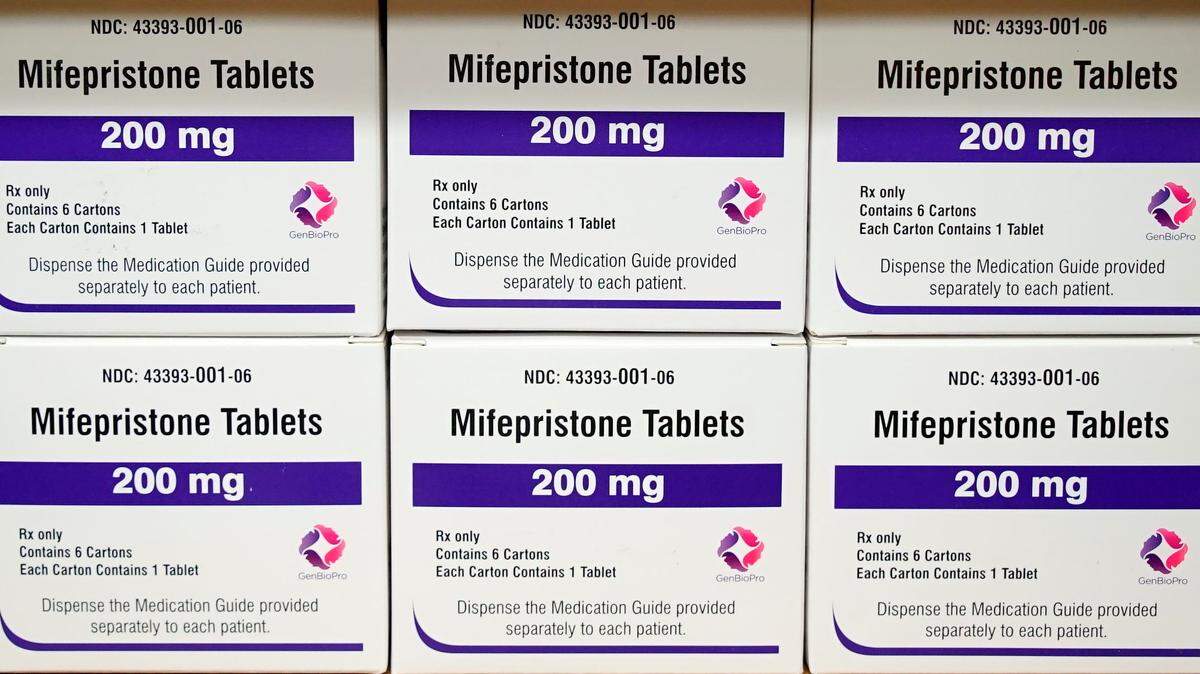
The Supreme Court will hear a case that could restrict access to a widely used abortion pill, the justices announced Wednesday.
This decision could overturn the federal approval of a common abortion pill, mifepristone, which would ban the medicine from being prescribed in the United States.
A group of doctors filed a federal lawsuit in Texas challenging the approval of mifepristone in November 2022. In April, the judge in that case revoked approval of the medication.
After a series of appeals, the Biden administration asked the Supreme Court to intervene. Their decision is expected to come by the end of June, according to the Associated Press.
In 2021, medications like mifepristone were used during about 65% of abortions in North Carolina, according to a recent state report.
Abortion pills in North Carolina
Currently, most health care providers rely on two medications for medication abortions: mifepristone and misoprostol.
Doctors will typically prescribe mifepristone first, which blocks a hormone to stop the pregnancy from progressing, then misoprostol about a day later, which empties the uterus.
This method is extremely effective at ending pregnancy with a very low risk of major complications, the FDA and mainstream medical groups agree.
But even if mifepristone is taken off the shelves, there are other effective strategies doctors have to end a pregnancy. This regimen typically requires patients to take 12 misoprostol pills, spaced out over several hours. This is a safe and well-studied way to end a pregnancy.
But Dr. Jenna Beckham, a Raleigh abortion provider, said it is less effective than current best practices and is more likely to cause side effects like diarrhea, fever and chills.
Mifepristone is already tightly regulated in North Carolina.
Among other things, state law requires that the pill be administered in person, by a physician and after a 72-hour waiting period.
A lawsuit filed by a Triangle abortion provider in January challenged those restrictions, claiming that they were more burdensome than the regulations set by the FDA.
This story was originally published December 14, 2023 at 10:43 AM.