NC teachers to get previously planned raises after Cooper signs bill
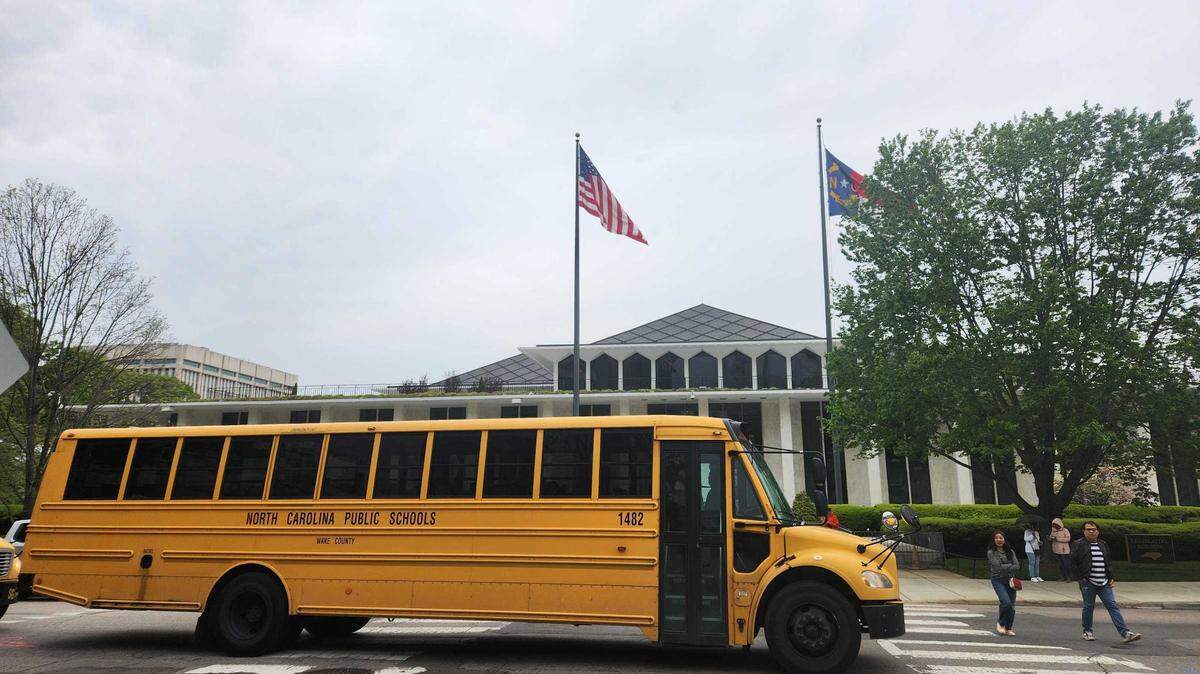
North Carolina teachers and school staff will get raises this summer under legislation Gov. Roy Cooper signed into law Monday.
The bill, a last-minute measure to formally authorize pay raises for the second year of the two-year budget GOP lawmakers enacted last year, came together during the final days lawmakers were in session last month, after Republicans failed to reach a deal on a new budget.
In a statement, Cooper said the bill “simply restates the small pay raises legislators already gave public school teachers last year.”
“The legislature should pay our teachers significantly more as North Carolina has already dropped to 38th in the country in teacher pay and invests nearly $5,000 less per student than the national average,” Cooper said. “Our state has the resources to make meaningful investments to help our public school students and now is the time to do it.”
Most state employees are already set to receive a 3% pay raise starting this month that was part of the 2023-2025 budget passed this past fall. But the same budget bill’s raises for teachers and other school employees don’t kick in without additional legislation, according to the General Assembly’s nonpartisan Fiscal Research Division and Kris Nordstrom, a senior policy analyst at the N.C. Justice Center.
So while this year’s budget adjustment bill may or may not ever come, lawmakers authorized the raises before they left at the end of June.
How much are raises for teachers?
Teachers in public school districts are typically paid for 10 months of the year. Pay is higher for teachers with certain kinds of accreditation or a doctorate. The money was allocated in the 2023 state budget, a two-year spending plan, but the language in the bill does not allow it to be paid out unless the General Assembly authorizes that money by June 30.
Here are the raises that the bill authorized:
▪ First-year teachers could receive $2,000 more. New teachers would have a starting salary this year of $41,000. Last year, it was $39,000.
▪ Step increases are built into teacher pay as they become more experienced, topping out at 25 years. There is a salary plateau with no increases for 15 through 24 years of experience, which would be $5,306 a month. For a veteran teacher of 25 or more years, last year’s pay was $5,510 a month, or $55,100 a year, and this year it would be $5,595, or $55,950 a year.
▪ Some teachers may also receive additional bonuses, paid out in January 2025 based on data from the previous two years. Those who qualify for the bonuses include teachers who teach Advanced Placement classes, with more money for each student’s scores, and Career and Technical Education. Some school districts offer more salary supplements to teachers and other school personnel.
Other bills Cooper took action on
The raises bill was one of more than a dozen that were on Cooper’s desk, waiting for him to take action on.
Cooper signed 11 other bills, including another measure GOP lawmakers agreed to pass separately since they couldn’t reach a deal on the budget, that allocates $67.5 million in stopgap funding for child care centers through the end of the year. Advocates who said more funding was needed to keep centers open had asked for $300 million.
Cooper said the funding Republicans agreed on and passed “provides critical but limited grants to help keep childcare centers open for the next few months.”
“However legislators need to do much more for parents, businesses and children by extending these grants through 2025, investing in our nationally recognized NC Pre-K and investing more in quality early childhood education,” he said. “Our children’s future and our economy depend on it.”
Another bill Cooper signed will restore automatic expunctions of criminal charges that have been dismissed or where defendants have been acquitted. The bipartisan law, passed in June 2020, was twice put on hold to deal with implementation issues that came up in the court system.
Cooper also vetoed a wide-ranging bill that he said “creates legal ambiguity” about when eviction orders take effect, and let a regulatory reform bill become law without his signature.
What’s next
The General Assembly has a legislative session scheduled for Wednesday, and a few more sessions through the rest of the year. During any of that time, House and Senate Republicans may reveal a negotiated budget adjustment bill that could have more money for raises and other programs and projects.
This story was originally published July 8, 2024 at 6:28 PM.
.jpg)