Will NC Republicans have the votes to override Cooper’s veto of powers-stripping bill?
Republicans are confident they have the votes to pass into law wide-ranging legislation that would take power away from Democrats being sworn into top statewide offices next month, even as a handful of GOP lawmakers voted against the bill last month.
The three Republican votes against the sweeping and controversial power shift bill that was combined with a third round of disaster relief funding for Hurricane Helene were notable because Republicans need all of their members in the House and Senate to vote together to successfully defeat Gov. Roy Cooper’s vetoes.
Addressing the three GOP “no” votes last month, incoming House Speaker Destin Hall said he was confident the Republicans would join the rest of their party in voting to override a potential veto from Cooper.
The Democratic governor vetoed the bill last week, and Senate Republicans moved quickly to vote to override his veto on Monday, setting up a second vote required by the House that is expected to take place next week.
The bill, which was negotiated by a small group of Republicans and released less than a half-hour before the House began debating it on Nov. 19, combines additional disaster relief for Western North Carolina with several provisions that limit and cut the powers of multiple high-profile offices that were won by Democrats last month, including governor, attorney general and state superintendent of public instruction.
Among other things, the bill takes away the governor’s power to appoint members to the State Board of Elections, transferring it to incoming State Auditor Dave Boliek, a Republican; prohibits incoming Democratic Attorney General Jeff Jackson from taking any position on state laws being challenged in court that is inconsistent with the one taken by the General Assembly; and prevents incoming Democratic State Superintendent of Public Instruction Mo Green from appealing decisions made by the N.C. Charter School Review Board.
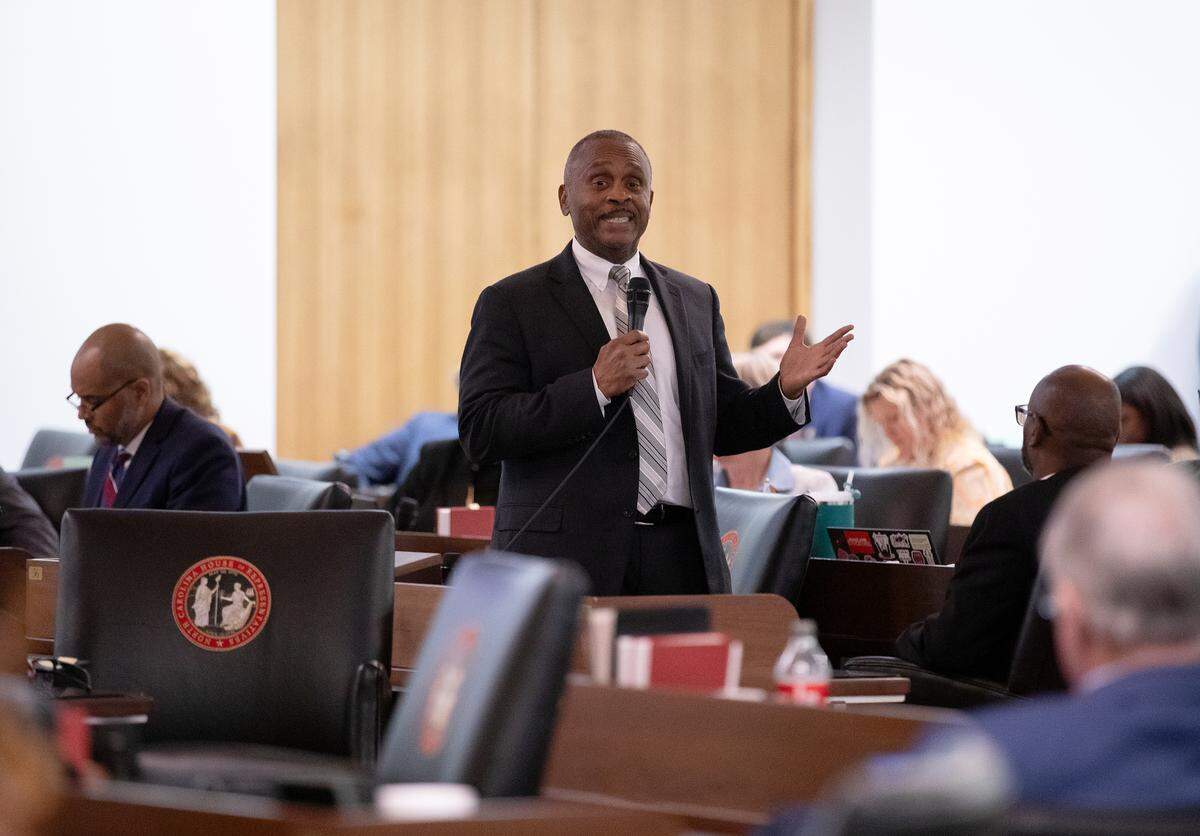
Democrats slammed the effort — which came after last month’s election results showed that Republicans were likely going to retain a supermajority in the Senate next year, but lose total control in the House by one seat — as “unconstitutional” and a “power grab.”
They also criticized the fact that the power shift provisions, which comprise the bulk of the 132-page bill, were tacked onto additional Helene relief that Democrats said was insufficient.
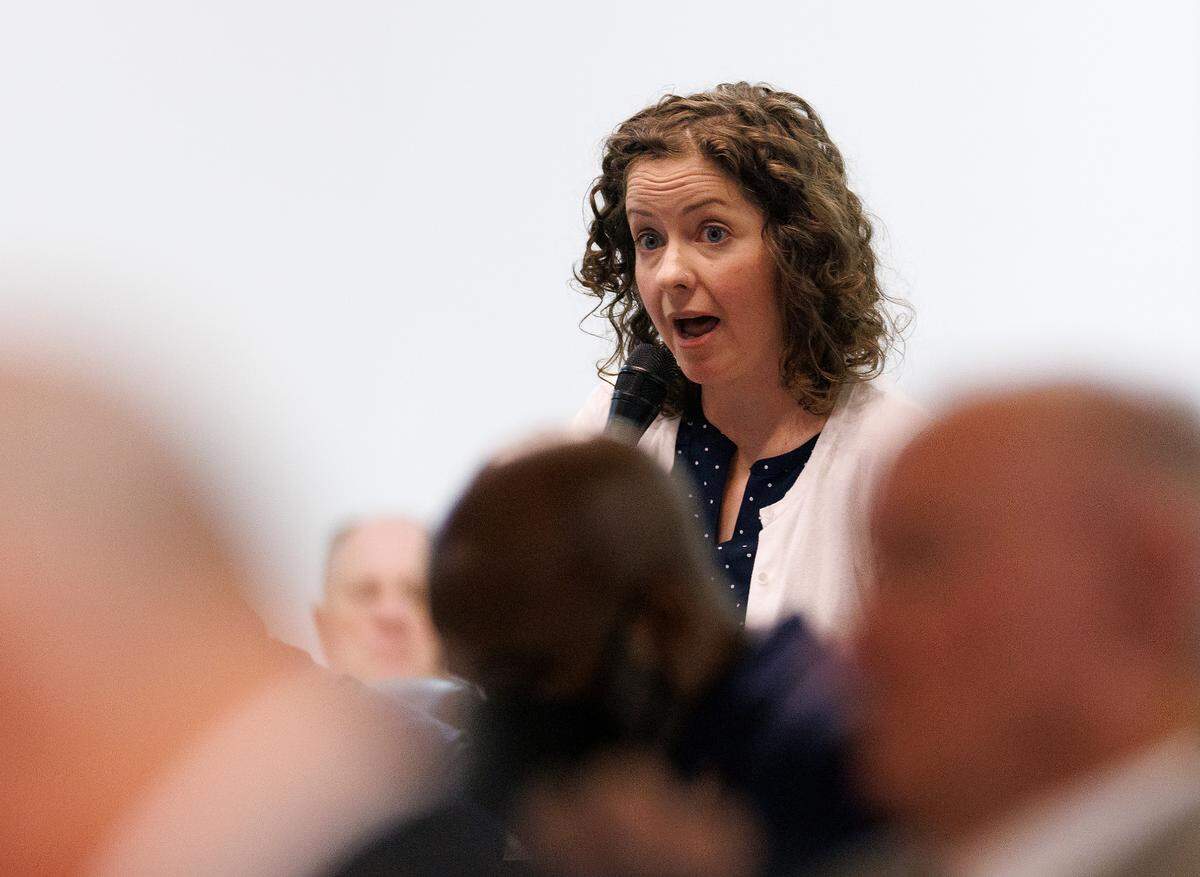
The bill allocates $227 million from the state’s rainy day fund to the recently created Helene fund, but doesn’t specify what all of the money will be spent on.
If the bill is enacted into law, it’ll bring the legislature’s total spending on Helene relief to around $1.1 billion.
The three House Republicans from Western NC who voted against the bill
When the House voted on the bill on Nov. 19, just over two hours after the bill was first released to all lawmakers and the public, three Republicans joined all of the 43 Democrats who were present that day in voting against the bill.
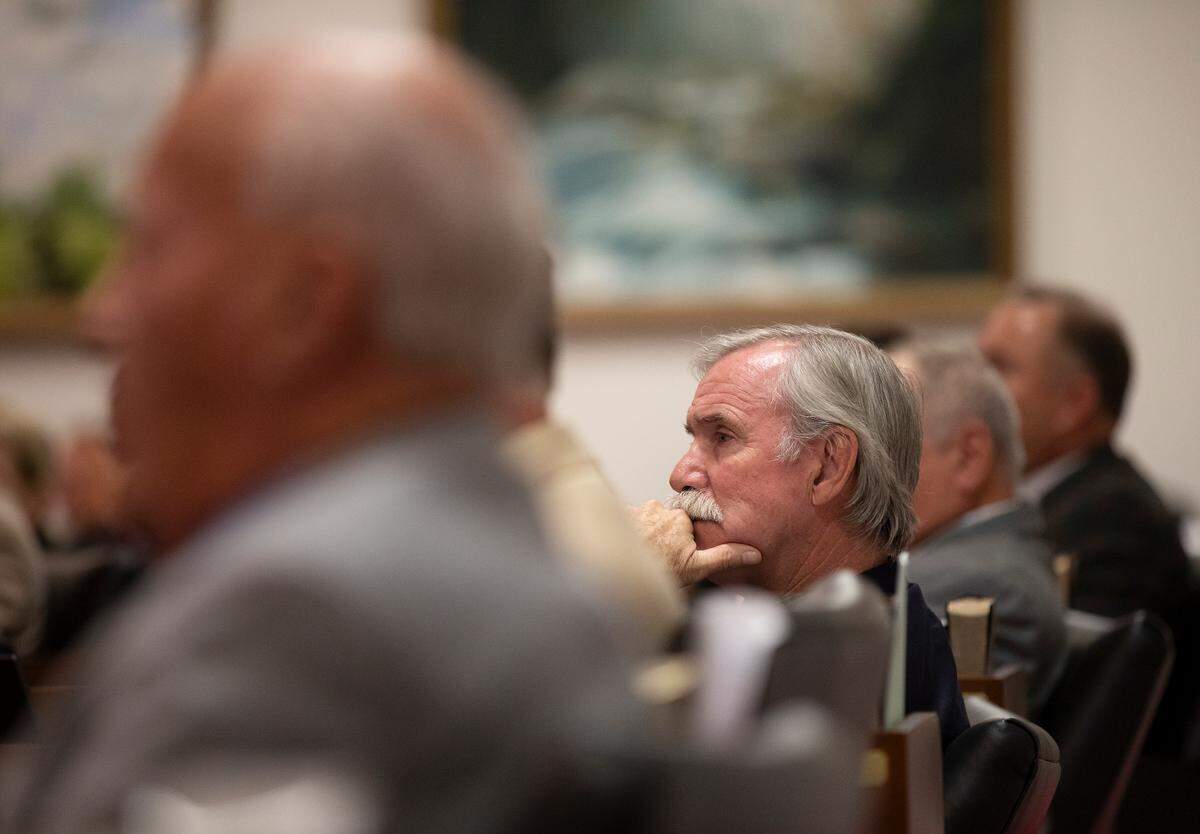
The Republicans, Reps. Mark Pless of Canton, Mike Clampitt of Bryson City and Karl Gillespie of Franklin, represent the state’s three westernmost House districts — areas that were severely impacted by the storm.
Gillespie also serves in House GOP leadership as the majority whip, a position he’s held since last year, and was just reelected to last month.
In his veto message last week, Cooper called the bill a “sham” and said the power shifts proposed by the legislature violate the state constitution. He also blasted the disaster relief portion of the bill, saying it “merely shuffles money from one fund to another in Raleigh.”
Explaining his vote, Pless told the Queen City News last week that his main problem with the bill was the disaster relief portion.
Pless had similar criticism for the relief provisions as Cooper, saying that instead of sending additional money to “the many needs in Western NC,” the bill “was simply moving money from one account to another.” He said he didn’t have a problem with the parts of the bill dealing with power shifts that he had reviewed.
He also said that he hadn’t made up his mind about how he would vote if the bill was taken up in the House again to override Cooper’s veto.
“Whenever they call it up for a vote is when I’m going to make my decision on how I’m gonna go,” Pless said. “I’m still not happy with the way it is, but I can’t say for sure until it comes to actually make that decision.”
The Senate began the process of overriding the veto on Monday, voting along party lines to enact the bill over Cooper’s veto.
Pless and Gillespie didn’t respond to The News & Observer’s requests for comment, but Clampitt told The N&O in a text message on Tuesday that he also hadn’t decided yet how he would vote next week when House Republicans are expected to hold an override vote on the bill.
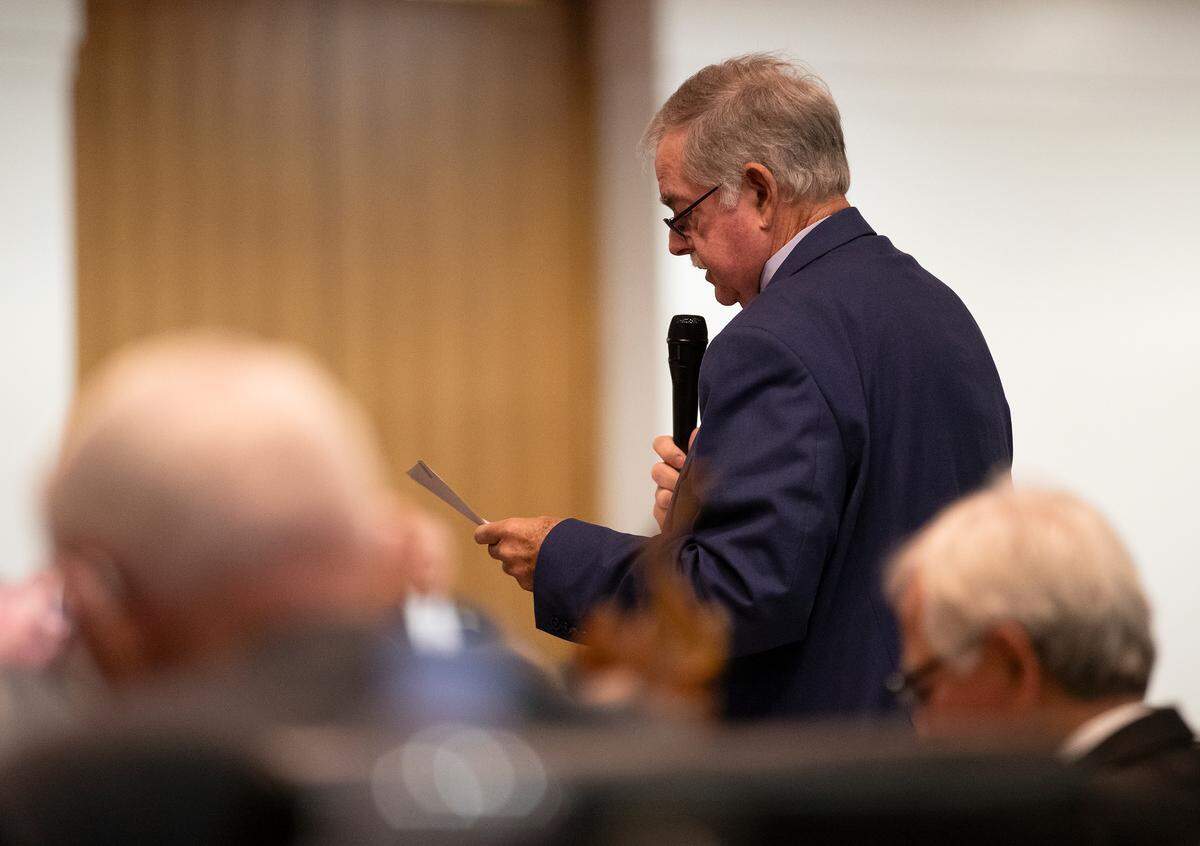
Hall told The N&O after the House’s vote to pass the bill on Nov. 19 that he was confident the three Republicans would ultimately vote to override Cooper’s veto of the bill, if the governor blocked it.
Currently serving as chairman of the House Rules Committee, Hall will succeed Speaker Tim Moore as leader of House Republicans, and the chamber, when the 2025-26 legislative session begins in January.
Past votes that have involved ‘taking a walk’ and absences
It wouldn’t be the first time that lawmakers have broken with their party on an initial vote, but then returned to the fold when the bill comes back for a veto override.
When House Republicans passed a bill banning most abortions in the state after 12 weeks last year, for example, Rep. Ted Davis was the only member of his caucus who didn’t vote on it.
A few weeks later, after the bill was vetoed by Cooper and was taken up again, Davis joined the rest of his caucus in voting to override the veto, ensuring Republicans had all of the 72 votes they needed at the time of the override to enact the bill over Cooper’s objections.
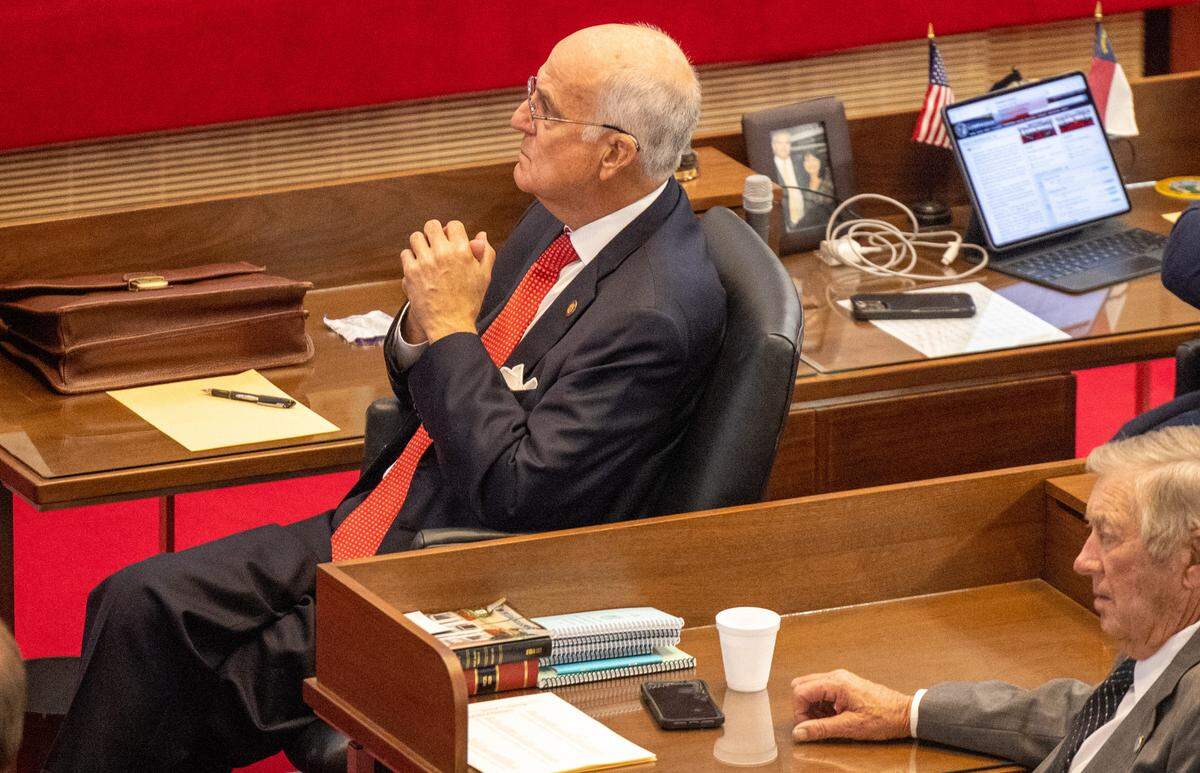
Davis later said he “took a walk” during the initial vote because it meant he was supporting the law previously on the books — and then voted to override Cooper’s veto once the bill had passed and was sent back to the legislature, to stand with his caucus.
Since successful veto overrides require three-fifths of the members who are present and voting, Republicans currently controlling exactly 72 seats need all of their members to vote together. The only other way they can meet the threshold is if there are enough absences among Democrats to lower the required number of votes.
Republicans haven’t had to rely on Democratic absences since securing supermajorities in both chambers in April 2023 with the party switch of Rep. Tricia Cotham. In that time they’ve overridden more than two dozen of Cooper’s vetoes.
Just before she switched parties, however, House Republicans managed to complete their first veto override of the two-year session in March 2023, when Cotham and two other House Democrats missed the override vote.
Their absences meant Republicans could break Cooper’s veto of a bill that repealed the state’s permit requirement for buying handguns with just 71 members, not 72.