How NC activists are preparing to fight the Trump administration’s immigration agenda
As his incoming administration prepares to take over the reins of the federal government, activists who fought Donald Trump’s immigration policies during his first term are bracing for the more aggressive plans he campaigned on pursuing in his second term.
This time, as the former president returns to the White House, the political and legal environment in which battles over immigration enforcement will play out have changed in important ways.
While on the campaign trail this year, Trump made his vow to launch the largest deportation effort in history a key component of his reelection message.
And as his administration works to deliver on that promise next year, immigration authorities working with local law enforcement in North Carolina will be aided by newly enacted House Bill 10, a GOP measure that requires sheriffs to comply with temporary detention requests issued by U.S. Immigration and Customs Enforcement.
Republicans passed the bill into law over Gov. Roy Cooper’s veto last month after years of trying and failing to do so, going back to 2019.
Activists who organized against the first Trump administration’s immigration policies question if Democrats are as dedicated to their cause this time around.
Mario Alfaro, a policy manager at Raleigh-based El Pueblo, said in an interview he was disappointed that, in his personal opinion, Democrats didn’t “raise their voices” for immigrants during this year’s campaign, and tried to sweep the issue “under the table.”
Now that the election is over, Alfaro said he hopes Democrats will be “more vocal, more active, and understand that the immigrant community is fundamental to North Carolina.”
Josh Stein on Trump’s proposed deportation efforts
The Trump transition has moved quickly to announce key administration staff and appointees who will lead the border management and deportation efforts.
Within days of his victory on Election Night, Trump announced he would tap Tom Homan, the acting director of ICE during his first administration, to serve as his “border czar.”
Since then, the transition has named several more appointments that will be tasked with carrying out immigration policy, including leaders of ICE and U.S. Customs and Border Protection, both of whom were announced Thursday.
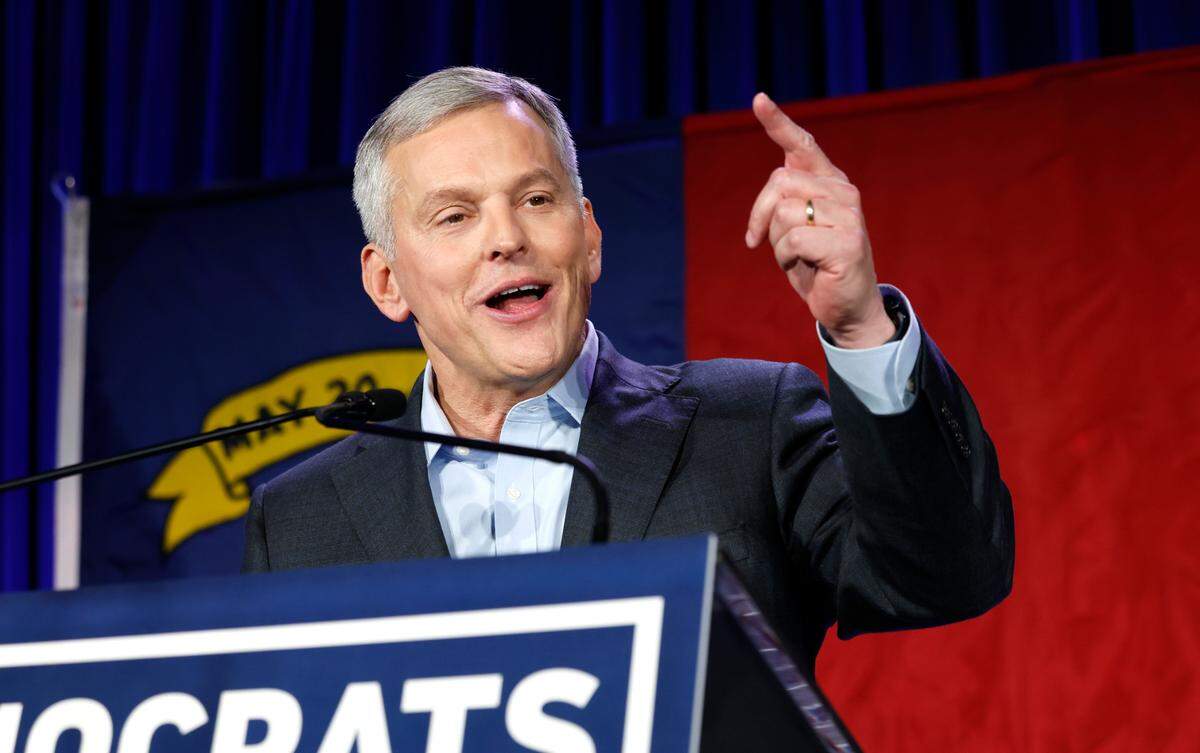
While some Democratic leaders were quick to vow to fight the Trump administration’s deportation efforts, others, including incoming North Carolina Gov. Josh Stein, have said they’re waiting to see specific plans and policies before they decide how they will respond.
“Well, one thing about President Trump is he says a lot, and then you don’t know what the actual policy behind the bluster is going to be,” Stein said during an appearance on ABC News on Sunday. “And so I have to wait to see what he actually proposes as opposed to what he says through Twitter or any other social media platform.”
Asked if he wasn’t ruling out working with Trump on some deportations, Stein said that under current law, “if folks break the law and harm North Carolinians, they get deported as it is.”
“Folks who are law-abiding, deporting them is not a priority at all,” Stein added. “They are instrumental to our communities. They’re instrumental to our economy.”
In response to follow-up questions from The News & Observer, Laura Brewer, a spokeswoman for Stein’s gubernatorial transition, said: “It is premature to discuss how the state might respond before we see the president-elect’s plan.”
During his campaign for governor, Stein avoided saying if he supported the ICE cooperation bill but backed a legislative deal in Congress meant to secure the border, calling it “the strongest in a generation.” The bill emerged from a bipartisan deal and would have made it more difficult for people entering the country to qualify for asylum and sent away those who didn’t qualify while speeding up hearings for people who do, NBC News reported. But Republicans blocked it, saying it didn’t go far enough.
A spokesperson for incoming Attorney General Jeff Jackson declined to comment on how he would respond to Trump’s immigration policies.
Expectations among activists for Democrats to push back
Alfaro said that in addition to pushing back against the new administration’s policies, it’ll be just as important for activists to combat the notion that he said seemed to gain a foothold in this year’s election, that immigrants who entered the country illegally are “some kind of public enemy which is responsible for every single domestic problem.”
During a press conference ahead of the successful votes last month to override Cooper’s veto of HB 10, advocates speaking against the bill said it would make immigrants more fearful of interacting with law enforcement, and could drive workers out of the state.
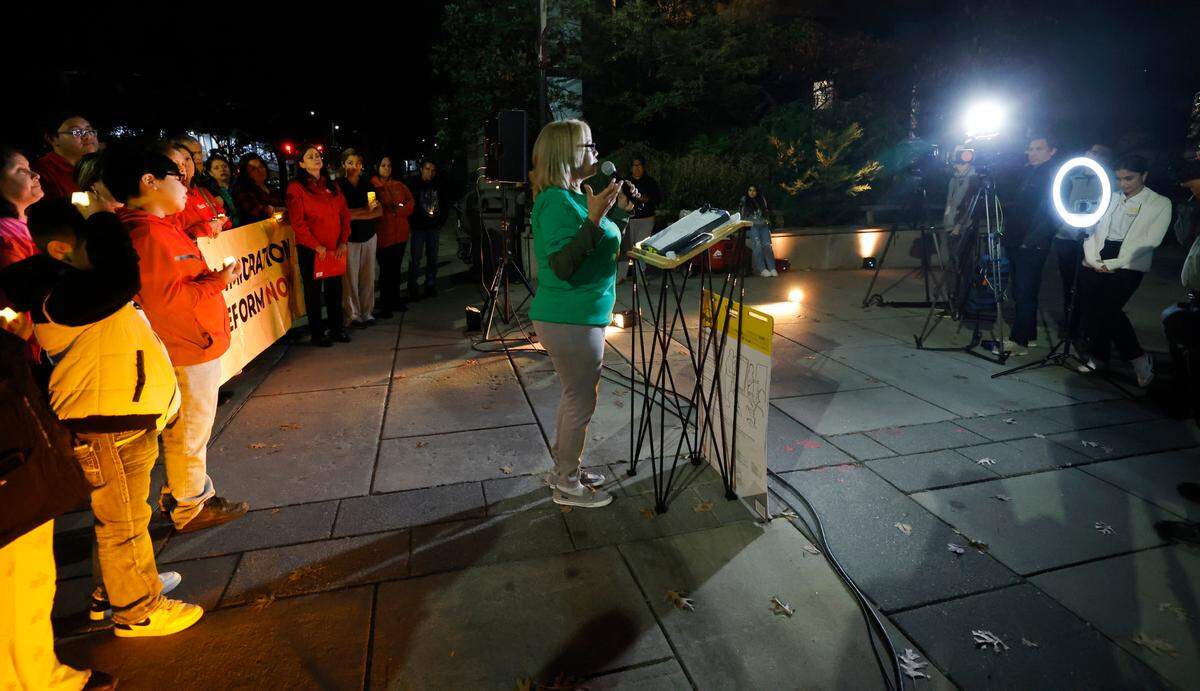
“Do not forget the billions of dollars that our community keeps dumping into this state, and into this nation,” said Ana Ilarraza-Blackburn, the founder and co-executive director of Women Leading for Wellness and Justice. “Do not forget, because that’s the true face of our community.”
Ilarraza-Blackburn said that she hopes Stein stands up for immigrants who contribute to the state financially and help with recovery efforts, whether it was during the COVID-19 pandemic, or after natural disasters like Hurricane Helene.
She wants both parties to listen to the concerns of advocates, adding that “neither party has done well by the immigrant community.”
Alfaro said his organization expects Stein and Jackson to “do what is right for everyone” and “create conditions that favor the integration of immigrant families” throughout the state, just as it expects of all elected officials, from both parties.
He said it’ll be important for activists from both larger regional and national organizations to partner with local groups that are plugged into their communities and bring grassroots support.
The coalition of local, statewide and national groups that have worked together in the past is large. When the N.C. House originally took up the ICE cooperation bill in March 2023, more than 120 groups including immigrant and civil rights groups, local businesses and faith-based institutions came together to urge a handful of swing-voting Democrats to oppose the bill.
“I don’t see any possibility to succeed if we don’t work together,” Alfaro said. “Networks are fundamental, and are the only way, in my opinion, to create a common cause.”