Newly elected NC Republicans move to end use of DEI policies in two agencies
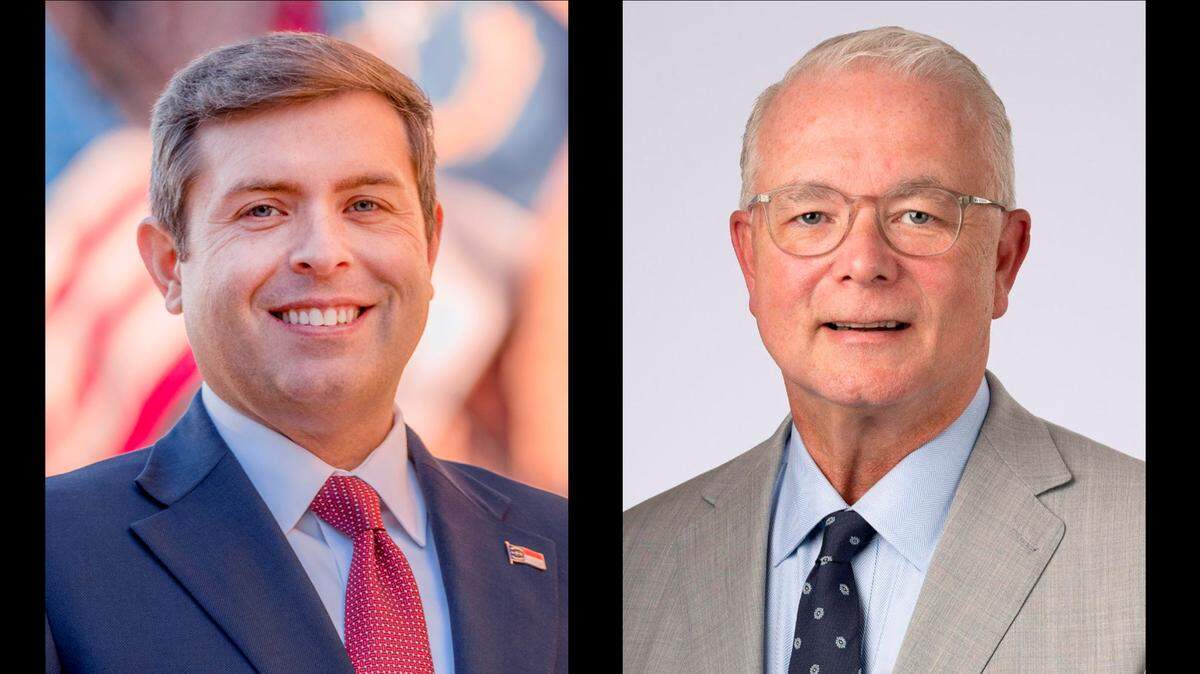
Two Republican statewide elected officials said Thursday they were ending the use of diversity, equity, and inclusion (DEI) policies in their agencies.
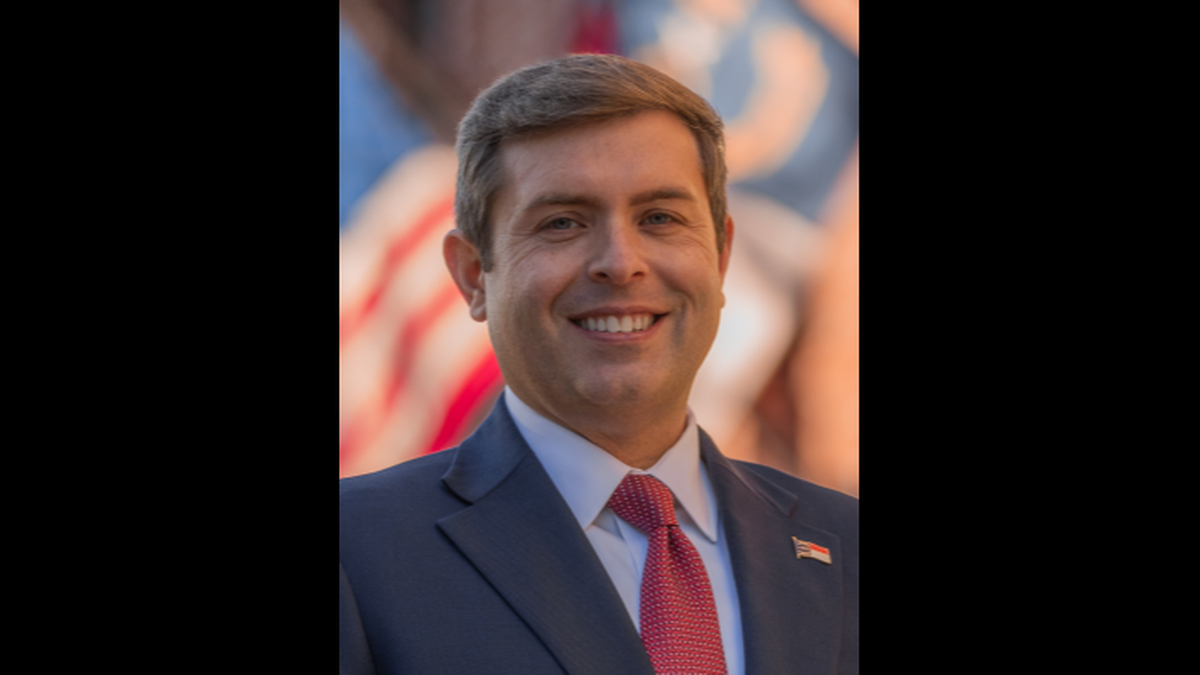
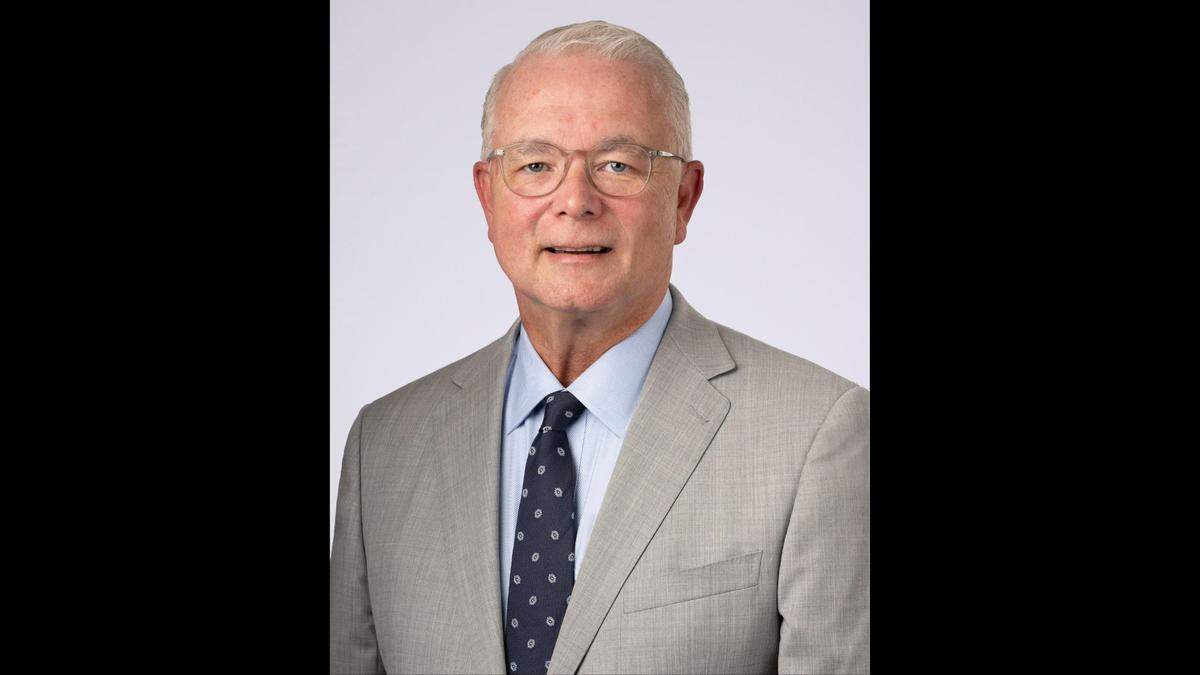
Labor Commissioner Luke Farley and State Auditor Dave Boliek, both of whom were elected in November, announced Thursday morning that they had directed their agencies to remove all internal DEI policies that had previously been in place.
The moves by Farley and Boliek come after President Donald Trump, in one of his first actions after being sworn in on Monday, signed an executive order to eliminate DEI policies from the federal government.
Farley said in a statement that he was ending the use of DEI metrics to evaluate the performance of employees at the N.C. Department of Labor.
He said he had directed the Office of State Human Resources to remove DEI “as a core measurement for evaluating NCDOL employee performance.” He also said he had directed managers and supervisors in the department to no longer consider DEI as an evaluation method.
Farley said that moving forward, the labor department “will hire and evaluate employees based on merit and on their ability to fulfill our mission to protect the health, safety and well-being of North Carolinians.”
He also said he was adding a performance measure related to health and safety to “ensure that we hold ourselves to the same standards that we expect and require of our state’s employers.”
“Ultimately, my goal is to hire and retain qualified, professional individuals who will provide excellent service to our state,” Farley said.
Boliek, the state auditor, said in a statement that he was directing his office to conduct an internal review to eliminate DEI from all office policies, “including any training, performance requirements, preferencing, and directives.”
“DEI is divisive and brings little-to-no return on investment of time and resources,” Boliek said. “My goal in the Auditor’s Office is to establish a professional workplace where individuals are valued and measured based on merit. Corporations across the country are abandoning DEI, as are colleges and universities, and it’s time for the government to do the same.”
Randy Brechbiel, a spokesman for the auditor’s office, said there are “DEI-related directives and expectations” in the office’s performance documents and Equal Employment Opportunity plan. He said that includes “required implicit bias training for employees.”
Brechbiel said that some of these policies are “due to standards set by the Office of State Human Resources, but also items put in place by prior State Auditors.”
Trump’s changes
The Trump administration ordered all departments and agencies to place employees in DEI roles on paid leave by Wednesday evening, and submit written plans by the end of the month for dismissing all of those employees, NBC News reported.
Trump and other Republican candidates at the national level and here in North Carolina ran against the adoption of DEI policies in government and throughout the private sector, and campaigned on moving to end them if elected.
White House Press Secretary Karoline Leavitt said on Tuesday that Trump had “campaigned on ending the scourge of DEI from our federal government and returning America to a merit based society where people are hired based on their skills, not for the color of their skin.” She said Trump’s action was “another win for Americans of all races, religions, and creeds.”
DEI programs and policies have come under scrutiny on college campuses across the country as well.
In May, the UNC System Board of Governors repealed DEI requirements implemented in 2019 that, in addition to other mandates, required each of the system’s 17 campuses to employ a chief diversity officer, and adopt diversity-related goals.
The new policy adopted by the UNC System requires campuses to maintain “institutional neutrality” and avoid weighing in on political or social issues.
This story was originally published January 23, 2025 at 1:29 PM.