NC joins more than 20 states in suing Trump administration over federal funding freeze
Update: The White House Office of Management and Budget issued a new memo Wednesday rescinding the memo issued Monday directing federal agencies to implement the freeze on federal funds, according to news reports.
North Carolina is joining more than 20 other states in a lawsuit seeking to block a freeze of federal funds ordered by the Trump administration that was set to begin Tuesday evening, but has now been temporarily blocked in federal court.
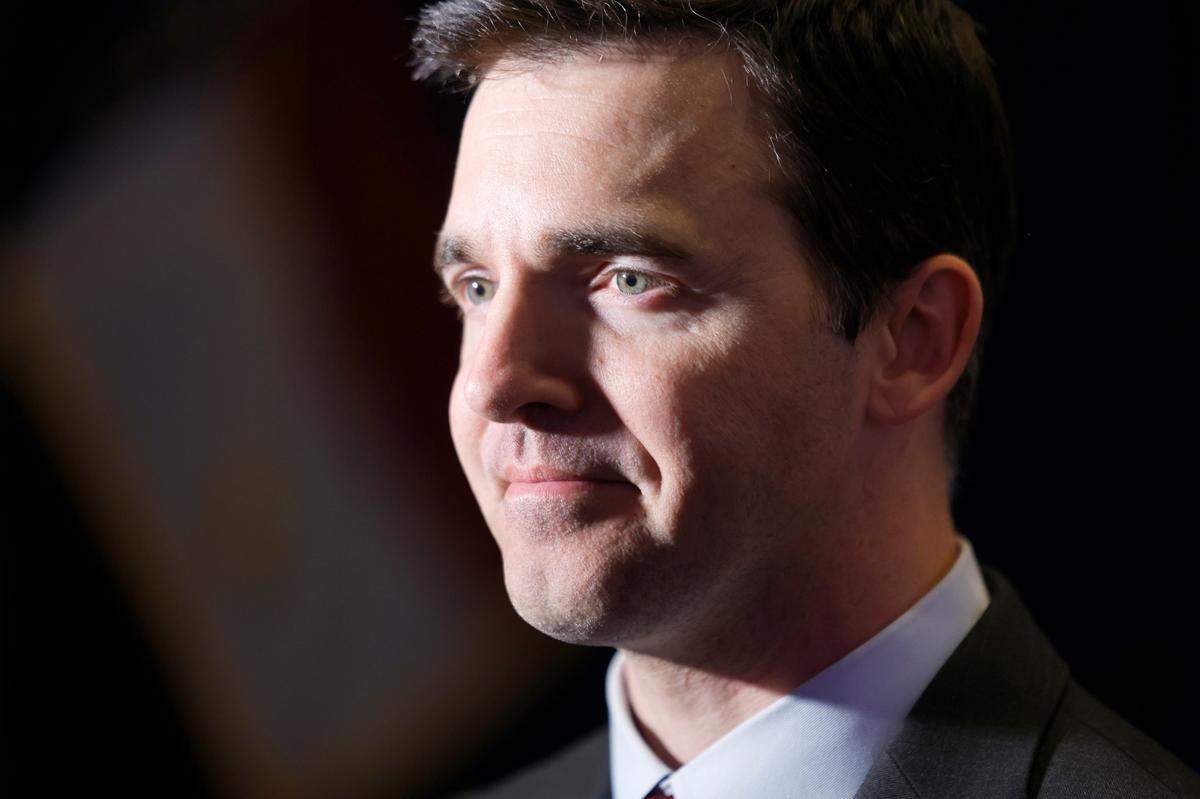
Attorney General Jeff Jackson said Tuesday afternoon he was taking legal action to try to stop the freeze, which he said “violates constitutional power over federal spending.”
“This sudden freeze in federal funding is so sweeping that it could cause widespread and immediate harm across our state — delaying disaster recovery in our western counties, undercutting law enforcement, and affecting children and veterans,” Jackson said in a statement.
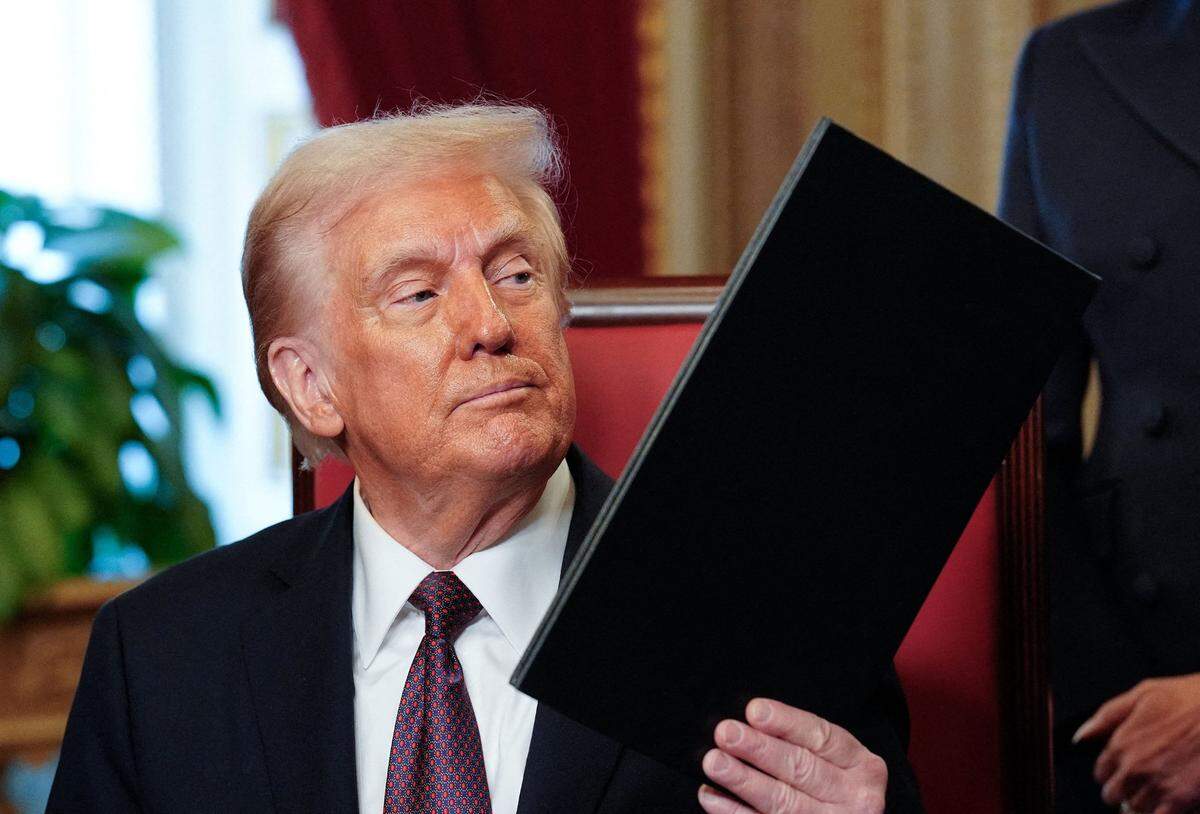
The lawsuit, which was filed in federal court in Rhode Island and argues that the freeze violates the U.S. Constitution and administrative law, was announced earlier in the day by New York, California, Illinois, Massachusetts, New Jersey and Rhode Island. More than a dozen other states including North Carolina quickly said they would join the suit as well.
The freeze, which was announced in a Monday night memo by the Office of Management and Budget, was set to go into effect Tuesday at 5 p.m.
But a federal judge in Washington agreed to hold a hearing in another lawsuit challenging the freeze brought by a coalition of nonprofit groups, and granted an administrative stay in the case, pausing the administration’s plan until Monday, Feb. 3, the Associated Press reported.
In an interview, Jackson said he believes the lawsuit brought by North Carolina and 22 other states will also be heard “very quickly.”
Jackson, a Democrat, said the uncertainty on Tuesday about the potential impact of the freeze and the scope of grant funding and federal assistance it could interrupt or pause led to his office receiving “a flood of questions from people about whether this is going to impact them or their business.”
“We don’t know the answers to many of those questions,” Jackson told The News & Observer. “I think we’re dealing with a directive from the administration that was written very quickly, in vague terms, that has caused an unnecessary amount of chaos.”
Jackson said one of the calls his office received was from a woman who provides services to victims of domestic violence, and relies on federal grant funding.
What the memo to federal agencies states
On Tuesday, communities across North Carolina were scrambling to learn what the freeze might mean.
Grants and loans from the federal government flow through state and local governments to help build the nation’s transportation infrastructure, pay for public education and care for abused and neglected children.
The OMB memo states that federal agencies must:
- Pause “all Federal financial assistance” beginning at 5 p.m. Tuesday;
- Submit justifications for anything subject to the pause before two weeks are up; and
- Cancel projects “already awarded that are in conflict with Administration priorities.”
Cuts will target diversity, equity and inclusion initiatives, support for gender-nonconforming people, efforts to fight climate change, foreign aid and more.
White House Press Secretary Karoline Leavitt said during a press briefing Tuesday that Medicare, Social Security, food stamps, welfare, and other “individual assistance” are exempt.
What federal spending freeze means for NC public schools
School districts typically rely on federal funding to make sure the most vulnerable students — including those living in poverty or with disabilities — receive an equal education.
Durham Public Schools, for example, has about $46 million in federal grant funds appropriated this year, about 7% of the total budget. Most of that goes directly toward instructional services, especially for disabled and low-income children.

It’s what enables the district to give out free lunch to all students, which began this school year.
“This is so new that we are trying to digest and understand at this juncture,” district spokesperson Crystal Roberts said in an email Tuesday morning.
Pell grants, which provide financial assistance to college students who need it, will be reviewed, along with dozens of other Department of Education initiatives, according to a detailed follow-up to the memo obtained Tuesday by news outlets including Politico and States Newsroom.
What memo pausing federal grants and loans means for NC local government
Cities get federal grants to build roads and sidewalks, and to help sustain economic development, affordable housing programs, homeless services, public transit and more.
Raleigh city manager Marchell Adams-David said federal grants help sustain a wide variety of services.
“This includes many of our affordable housing programs, from help with down payments to home repairs for elderly residents to building apartments with lower rent,” Adams-David said late Tuesday.
“Our buses — regular routes and service for disabled residents — run as frequently as they do because of federal funding,” she continued. “And specifically, we know that the $2.4M grant that we announced for charging stations for electric vehicles has been paused.”
Earlier Tuesday, leaders around the Triangle remained in the dark about what would be affected. No federal agencies or departments had issued guidance to Durham city employees guidance by Tuesday morning, city spokesperson Beverly Thompson said.
“Since the federal order was issued just yesterday, we, like many cities, counties, and states, will be assessing what it might means for our governments and our residents,” Thompson said in an email. “At this point, it’s too soon to know what the short and long-term impact might be.”
A Holly Springs spokesperson said Tuesday afternoon the town was “just receiving notifications and waiting to hear more.”
Apex town clerk Allen Coleman said the town receives significant Community Development Block Grant funding and was “still investigating the impact this will have on us and the residents.“
CDBG money, which has been given out since the 1970s, helps address housing and infrastructure needs, especially in low-income or overcrowded neighborhoods.
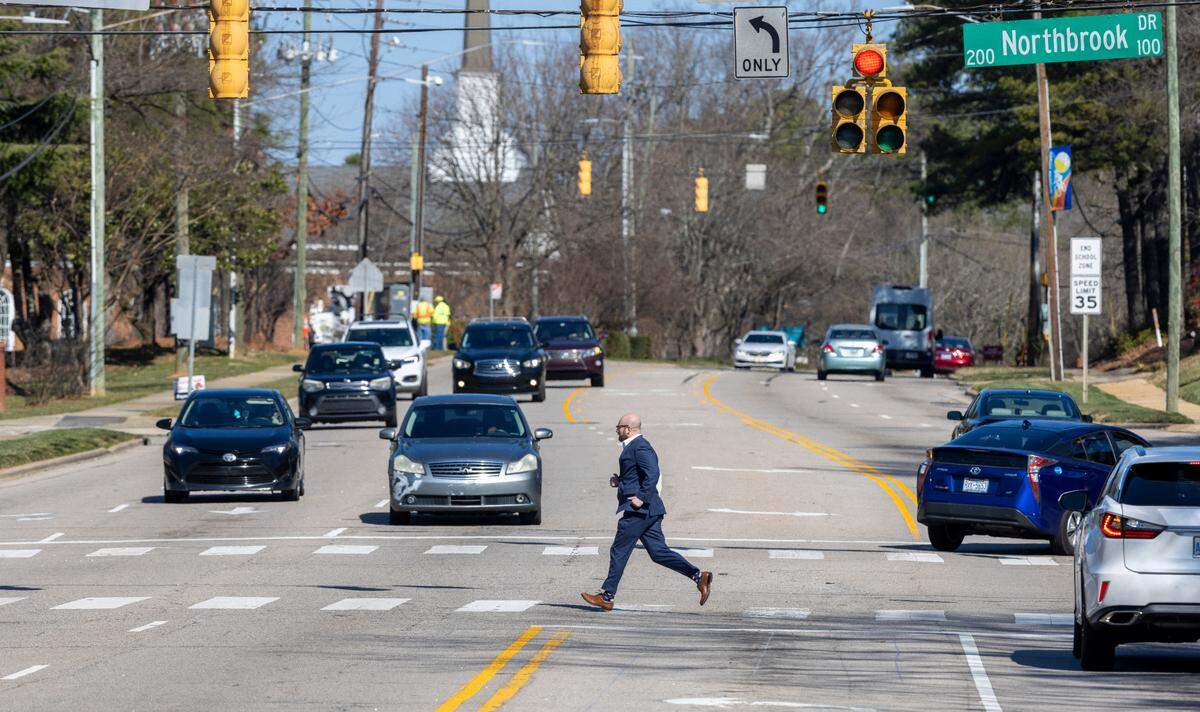
Meanwhile, North Carolina counties receive federal money for transportation planning, health care and social services, including elder care and the protection of abused and neglected children. There are also fees associated with sheriff’s offices housing and transporting federal inmates.
“Staff are working to understand the situation and what it means for Wake County right now,” Wake communications director Dara Demi said.
The Orange County manager has asked department heads to identify any program or position supported by federal funding, so that the county can react quickly if needed, county spokeswoman Kristin Prelipp said.
What federal spending pause means for NC
The North Carolina Department of Health and Human Services said Tuesday afternoon it was “trying to determine the scale of impact.” The agency’s $40 billion budget is 79% federally funded.
Though the state lost access to a Medicaid payment portal for “a period of time,” access is now restored.
“Now that there is access to the portal, we are confirming that requested funding will be received. At this time, there is not an impact to beneficiaries,” DHHS spokesperson Summer Tonizzo announced in a statement.
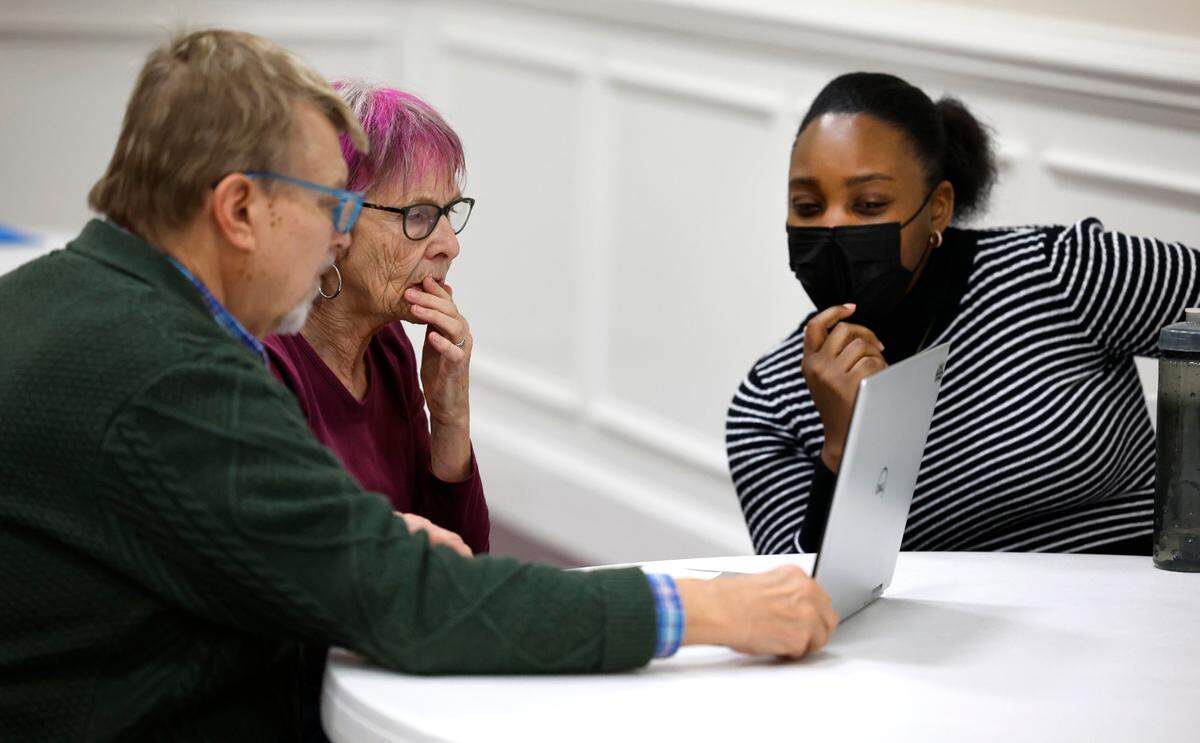
States received a record-high $1 trillion in grants in 2022, the most recent year in which comprehensive data is available, according to Pew Charitable Trusts. That’s over a third of states’ total revenue.
“States are currently facing tighter budgets than in recent years due to the expiration of federal pandemic aid and stagnating tax collections, among other challenges,” Rebecca Thiess, the nonprofit’s manager, said in a news release Tuesday.
Large chunks of money were funneled to state and local governments since 2021’s American Rescue Plan Act was approved to help get communities through the COVID-19 pandemic.
That money has already been delivered to state and local coffers, but much has not yet been spent, so it’s unclear if ARPA projects will be impacted.
The spending freeze could also impact the North Carolina mountains, as the job creation and community development work of the Appalachian Regional Commission, started in 1965, is singled out for review in the follow-up memo.
The North Carolina Democratic Party said the state deserves answers from the White House and North Carolina’s lawmakers.
“Their disregard for the impact this will have on working North Carolina families is cruel and a slap in the face to the real issues they are facing,” the party said in a statement.
This story was originally published January 28, 2025 at 5:58 PM.