
Democrats push for NC legislative transparency reforms. Will GOP leaders support them?
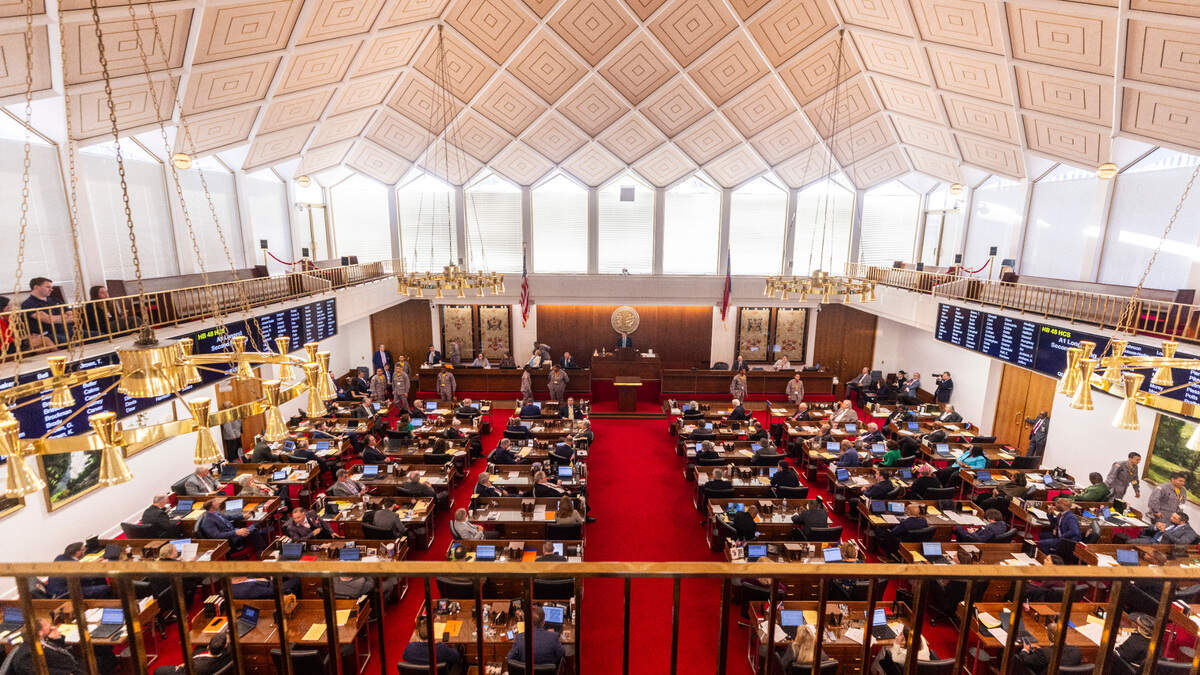
Democrats in the North Carolina House and Senate have filed three bills in recent weeks to peel back some of the secrecy state Republican leaders have installed in the state legislature.
House Bill 322 would repeal an exemption from the state’s public records law that legislators gave themselves in the 2023 budget bill. Senate Bill 242 would repeal a second provision in that budget that made secret correspondence between legislators while they were drawing election districts for themselves and for congressional seats.
And House Bill 178 would give the public and rank-and-file lawmakers more time to review and comment on state budget bills that spend billions of dollars. The bill would also make public records showing which lawmakers were behind specific provisions within the budget.
The budget reform bill comes after state Republican leaders have rolled out several state budget bills over the years that are stuffed with major policy changes and tens of millions of dollars in new spending that have to be voted on within a couple of days — with no avenue for amendments.
“It would put good government and fairness back on the playing field,” said Rep. Marcia Morey, a Durham Democrat, who has sponsored both House bills.
But so far, Republican legislative leaders have not shown support for the bills, all three of which have been assigned to the House and Senate Rules committees, which is often where legislative leaders send bills that they don’t favor to die.
House Speaker Destin Hall, a Caldwell County Republican, said Tuesday at the legislature that he had not read the bills. He noted that House sessions are open to the public.
“The public gets to see every vote that we take,” he said. “They get to hear the debate on it and every vote that we take here is public just like it is in Congress.”
Asked in a followup interview about providing more time to review budgets, Hall said legislative sessions are already too long.
“I don’t think there’s anybody out there in the state wants this body to take longer to do its business,” he said.
Public records importance
Public records have been critical in exposing fraud, waste and corruption in state and local government, including the office of a former state House speaker.
Records that The News & Observer obtained from then House Speaker Jim Black, a Matthews Democrat, in 2005 exposed that Meredith Norris, a former aide and unpaid election election director, had been lobbying for a major gaming company that sought the state lottery contract. The ensuing scandal helped prompt lobbying, ethics and campaign finance reforms.
But two years ago, state legislative leaders inserted a provision into the final version of the state budget that exempted lawmakers from the public records law. The provision gives them the right to decide what records are public or could be destroyed.
Since then, reporting by The News & Observer and other news organizations have exposed unusual spending in state budgets — some of which has come under the scrutiny of a federal grand jury.
In 2018 and 2022, neither the House nor the Senate produced their own budget bills. Republican legislative leaders crafted a single budget bill behind closed doors that rank-and-file lawmakers were given two days to read before voting. The lawmakers could not amend the legislation.
In other years, House and Senate leaders have drafted their own budget bills but then stuffed additional spending and policy changes into the final version of the budget, which is a compromise worked out behind closed doors by House and Senate leaders. Again, rank-and-file members were given little time to consider the budget bills and could not amend them.
As part of its Power & Secrecy series, The News & Observer’s in 2024 documented $156 million in spending that was not made public until the final versions of state budgets were released. Nearly a third of that money — $15 million for a dredge and $35 million for affordable housing, both in Dare County — have drawn federal grand jury scrutiny.
The dredging money was in the 2018 budget, and went to a newly formed company that later named former legislative aide Jordan Hennessy as CEO. In September, the U.S. Army Corps of Engineers temporarily suspended permits that allowed the company’s dredge to operate after sensors on the ship showed it had often strayed outside of designated channels.
In November and December, six Dare County commissioners were called to testify before a federal grand jury. Former state Sen. Bill Cook, a Beaufort County Republican who sought the dredge spending, said in October he had been interviewed by FBI agents.
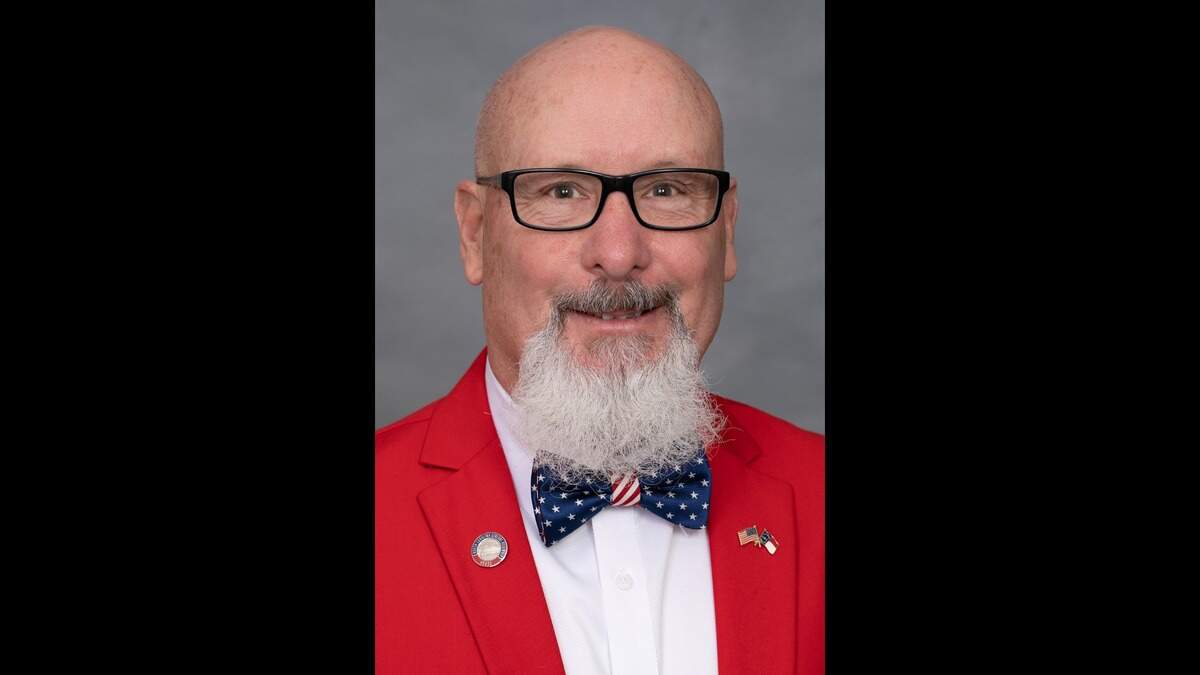
State Sen. Bobby Hanig, a Republican who represents Dare County, in a brief interview Tuesday said the federal investigation involving the dredge and affordable housing was “old news.”
He said “no comment,” when asked if he had been subpoenaed in the case. On Friday, he said in a text saying that he had not received a subpoena.
Reforms rebuffed
Republicans have held majorities, and at times supermajorities, in the House and Senate over the past 14 years. Before then, state House rules prevented lawmakers from adding provisions into the final versions of budgets that had not first appeared within the House or Senate versions of the budget.
At the start of each two-year legislative session the House and Senate typically pass a set of rules for how they will conduct business. That’s also an opportunity for legislative leaders to require a more open budget process, but the Senate kept its budget rules in place. The House has yet to pass theirs.
Before the start of the 2019 session, Senate Democrats Jay Chaudhuri and Mike Woodard, both from the Triangle, pushed for a rule that would have barred placing entirely new text into bills that had passed both chambers in different versions, which is known as “gut-and-amend” in the legislature.
But Senate Republicans didn’t follow the request, part of a letter to rules committee chair Sen. Bill Rabon, and used the tactic again to pass a state budget in 2022.
Organizations across the political spectrum have supported removing the public records exemption lawmakers gave themselves, from the ACLU of North Carolina to the conservative Carolina Journal.
Sens. Terence Everitt and Graig Meyer, also Triangle-area Democrats, sponsored S242, which they call the H.A.L.L. Accountability Act. H.A.L.L. stands for “Hold All Legislators Liable.” Meyer said.
The acronym is a reference to Hall, the new House speaker. Three years ago, during a trial in which Republican lawmakers were accused of illegal gerrymandering, Hall testified that he had looked atsecret maps while working on a new House election districts map.
Meyer said he will be filing companion bills in the Senate to the House public records exemption and budget secrecy bills. He is also planning to again file legislation to place a state constitutional amendment on the ballot to give voters a say on whether they support open records and open meetings. Last year, Republican leaders didn’t allow that bill or a companion in the House to move forward.
Open government advocates say the reform legislation would make lawmakers more accountable to the public.
“We would very much like to see a move back in the right direction in terms of transparency for the whole legislative process,” said Ann Webb, Common Cause North Carolina’s policy director.
One Republican House member, Rep. John Blust of Greensboro, said in a telephone interview on Friday that he favors requiring state legislators to make public specific types of records that they are no longer obliged to share. Subpoenas and correspondence between legislators, lobbyists and their clients are among the documents that should be public, he said.
“People definitely have a right to know who’s influencing us and why,” Blust said.
This story was updated March 13 to add new information from state Sen. Bobby Hanig, a Republican who represents Dare County, and to add information from a 2019 letter from Democrat leaders regarding the state senate’s rules of operation.
This story was originally published March 13, 2025 at 5:30 AM.