
NC lawmakers launch ‘fact-finding mission’ into UNC coronavirus researcher Ralph Baric
AI-generated summary reviewed by our newsroom.
- NC lawmakers requested UNC release records linked to virologist Ralph Baric.
- The inquiry centers on Baric’s virus research and COVID-19 origin theories.
- UNC must respond by June 18, with further legislative action yet to be decided.
A secretive North Carolina legislative commission wants UNC-Chapel Hill to release a slew of records linked to elite coronavirus researcher Ralph Baric.
Baric’s life’s work laid the foundation for the development of vaccines against COVID-19. But in recent years it has become a target of people insisting that the pandemic was caused by genetic engineering gone wrong, and that it was not a virus from nature.
House Speaker Destin Hall directed UNC-Chapel Hill Chancellor Lee Roberts to deliver the records to House majority staff of the Joint Legislative Commission on Governmental Operations, in a June 11 letter obtained exclusively by The News & Observer from Hall’s office.
Some of the records that Hall is seeking are among those the university has fought to not release to U.S. Right to Know, a private advocacy group that has sued UNC for records as part of its campaign to collect more information on the origin of the COVID-19 pandemic.
A Hall staff member described the request as a fact-finding mission that he initiated because he “has a personal curiosity about the truth of what happened, about what Baric was researching and its relevance to COVID.”
The N&O was unable to reach Baric. In a statement to The N&O, UNC spokesperson Kevin Best cited state law on the legislative commission to note that requests to the commission are confidential.
Best added: “The University deeply values and appreciates its partnership with the General Assembly and is committed to legal compliance and transparency.”
Hall’s inquiry occurs at a time when the debate over the true origin of the COVID-19 pandemic is highly politically charged. Hall is the House chair of the commission, known as Gov Ops. The Senate chair is Senate leader Phil Berger. Berger was not part of Hall’s letter.
President Donald Trump rejects many scientists’ claims that the strongest evidence says the virus occurred naturally in a part of the world where people have close contact with animals infected with coronaviruses.
A White House website contends the coronavirus strain that caused shutdowns all over the globe during Trump’s first term was mostly likely born of “gain-of-function” genetic engineering and was likely released due to a laboratory accident. It mentions Wuhan Institute of Virology in China, once the work home of a scientist who Baric collaborated with on coronavirus studies years ago.
What records lawmakers want on Baric
The requests include all records sought by U.S. Right to Know for a series of dates from 2020 to 2024; all documents provided to members of Congress about Baric, the Baric Lab, the SARS-Cov-2 virus, the Wuhan Institute of Virology; and communication from any account connected to the Baric Lab and to or from accounts connected to the Wuhan Institute of Virology, EcoHealth Alliance or the Defense Advanced Research Projects Agency from 2018 to 2021.
The deadline to respond to House majority staff of the legislative commission is noon June 18. Hall wrote the letter with House Majority Oversight Staff Director Joe Coletti.
But Hall’s staff member is “confident based on conversations with UNC representatives and liaisons” that the request will be filled shortly.
Whether Gov Ops takes further action is still to be determined, as the letter is a “fact- finding mission before taking any additional steps,” the staff member said.
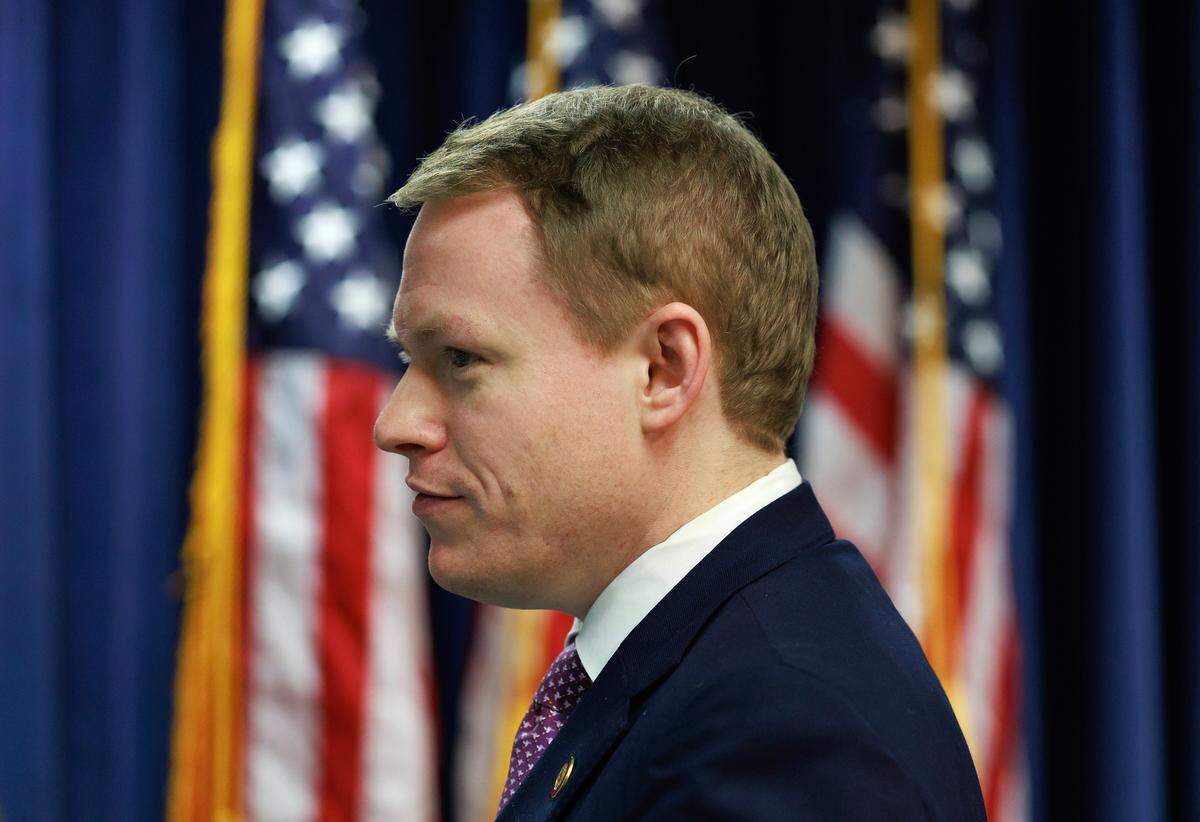
Baric, a virologist who joined the UNC faculty in 1986, is internationally known for leading research that modifies genes within viruses to better understand how they function. That includes how they can cause disease or can hop from one animal host to another, according to the National Academy of Sciences, where he was inducted in 2021.
Baric has spent his decades-long career studying emerging coronaviruses, long before the spread of COVID-19 ignited a pandemic in 2020. He warned for decades that strains could pose a global health threat due to their potential to jump from animals to people, according to the Gillings School of Global Public Health at UNC.
But his research also made Baric the focus of conspiracy theories and misinformation during the pandemic and in the years since it was declared over.
Baric’s work at center of origin debates
While the origin of the virus has not been definitively proven, many scientists, including Baric, have said it is likely COVID transferred naturally from animals — specifically bats — to humans.
But others claim the lethal coronavirus strain was born of “gain-of-function” genetic engineering and released by accident, most likely from Wuhan Institute of Virology in China. The Trump White House now promotes such theories on the covid.gov website.
Before the pandemic, Baric had collaborated with a Wuhan researcher on coronavirus genetic studies. The results of that work, published in 2015, showed coronaviruses in bats were capable of directly infecting humans rather than evolving in another animal first, The N&O previously reported. A 2020 article in the journal of Emerging Microbes & Infections found no connection between that research and the COVID-19 pandemic.
Testifying to Congress last year, Baric said the animal-to-human origin theory was the most likely scenario of the virus’ spread, but also acknowledged it was possible that it came from a lab, Vanity Fair reported.
In 2022, he joined several scientists in calling for further investigation into the origin, signing on to a letter that said, in part, “We must take hypotheses about both natural and laboratory spillovers seriously until we have sufficient data.”
More recently, Baric’s lab was working on pandemic preparedness and response through three active funding awards from National Institutes of Health, the county’s largest public funder of medical research. The N&O reported those grants were terminated as part of sweeping cuts to pandemic research funding under the Trump administration, then revived after a court injunction in April ordered billions in federal health funding be restored.
Staff writer Brian Gordon contributed to this report.
This story was originally published June 12, 2025 at 5:17 PM.

.jpg)