NC lawmakers want to expand the use of ignition locks in DWI cases
AI-generated summary reviewed by our newsroom.
- House Bill 786 proposes voluntary ignition locks before DWI trial proceedings.
- Device use would be a mitigating factor a judge could use to reduce punishment.
- MADD reports 331,000 DWI attempts blocked by NC ignition locks since 2006.
People convicted of driving while impaired in North Carolina can be required to install an ignition lock that won’t allow them to start their cars if they have been drinking.
Now some lawmakers want to expand the use of ignition locks by allowing someone charged with intoxicated driving to voluntarily place one in their car or truck before their case comes to trial. Use of the devices would become a mitigating factor that a judge could use to reduce the punishment.
House Bill 789 would give people an incentive to take responsibility for driving impaired, says Rep. Mike Schietzelt, a Republican from Wake County and one of the bill’s primary sponsors.
“The main intent behind this bill is to give people an avenue to take accountability when they screw up or make mistakes,” Schietzelt said at a press conference Tuesday.
Courts have required people convicted of DWI to use ignition interlock devices for years in North Carolina. Under state law, they’re required for people convicted of repeat offenses, who refuse to take a blood-alcohol breath test or who have a blood alcohol concentration of .15 — nearly double the .08 limit that legally defines impaired driving.
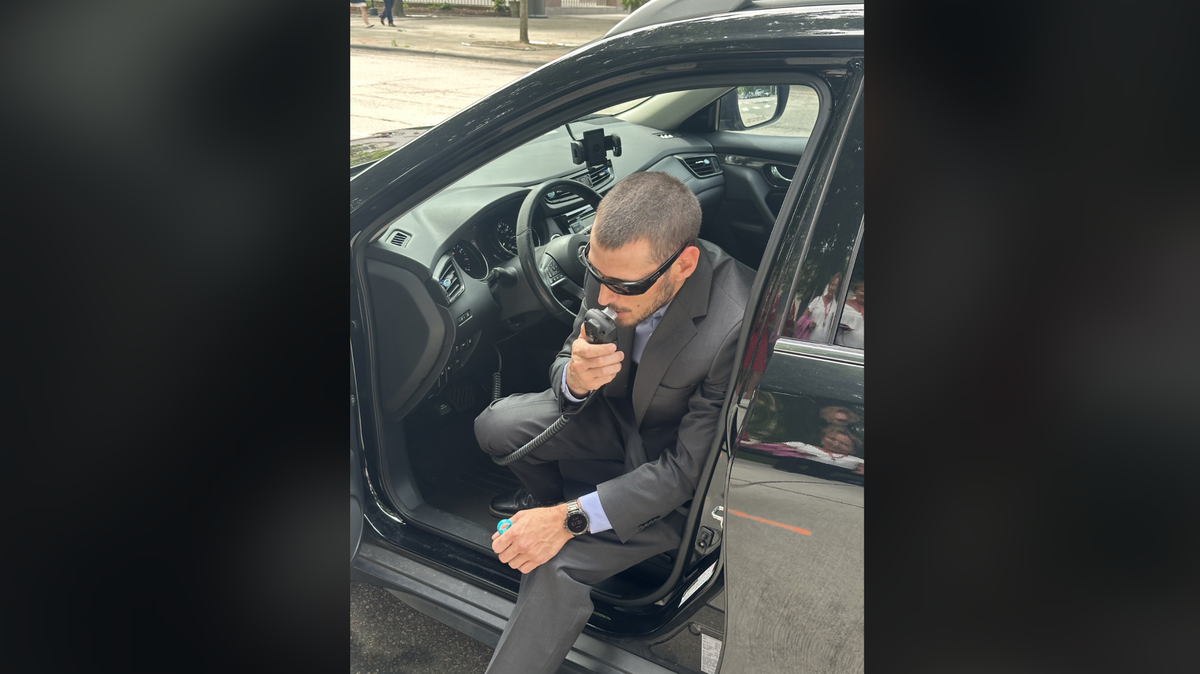
A driver must blow into a tube before starting the car and again periodically while driving. If the device detects alcohol while the car is in motion, the horn and lights will activate until the driver turns off the ignition.
People ordered to use ignition locks must choose one from a vendor approved by the Division of Motor Vehicles, which oversees the program. The driver must pay for them, at a rate of about $4 a day, said Debra Coffee of Safety and Advocacy for Empowerment, an industry group. Drivers who can’t afford the cost can apply for waivers.
Ignition locks prevented drivers in North Carolina from starting their cars or trucks more than 331,000 times from 2006 through 2023, said Emily Ferraro, state executive director of MADD, Mothers Against Drunk Driving.
“That’s 331,000 potential tragedies that never happened because the driver was prevented from driving impaired,” Ferraro said.
But people still get behind the wheel while intoxicated. Alcohol was a factor in 25% of highway fatalities in North Carolina in the five years ending in 2023, killing 405 people a year on average and injuring another 7,704 annually, according to the Division of Motor Vehicles.
Mother pleads for General Assembly support
One of those killed was Elijah Hawkins-Maynor, a UNC-Chapel Hill student who was riding in a car that crashed on Page Road in Durham in October 2023. Police determined that the driver was impaired by alcohol and drugs before losing control at more than 100 mph.
His mother, Rosalind Reddick, urged lawmakers to pass House Bill 789.
“The next time you are walking, biking, driving, riding, think of a drunk and drugged driver who shares the same road with you,” Reddick said. “Think of the people you love the most.”
The bill received wide support in the House, which passed it 100-7 on May 1. A few days later, the bill was sent to the Senate rules committee, where it has yet to be heard.
Schietzelt said he hasn’t heard of any opposition to the bill in the Senate and described the lack of movement as “just the normal process.” Still, he, MADD and other supporters held Tuesday’s press conference to urge the Senate to act.
“The purpose of today is just to let them know how much support there is out there for this,” he said.
This story was originally published June 10, 2025 at 2:43 PM.