Want to be a teacher? NC lawmakers could require you to pass a criminal check
AI-generated summary reviewed by our newsroom.
- House Bill 775 mandates criminal checks for public school job applicants.
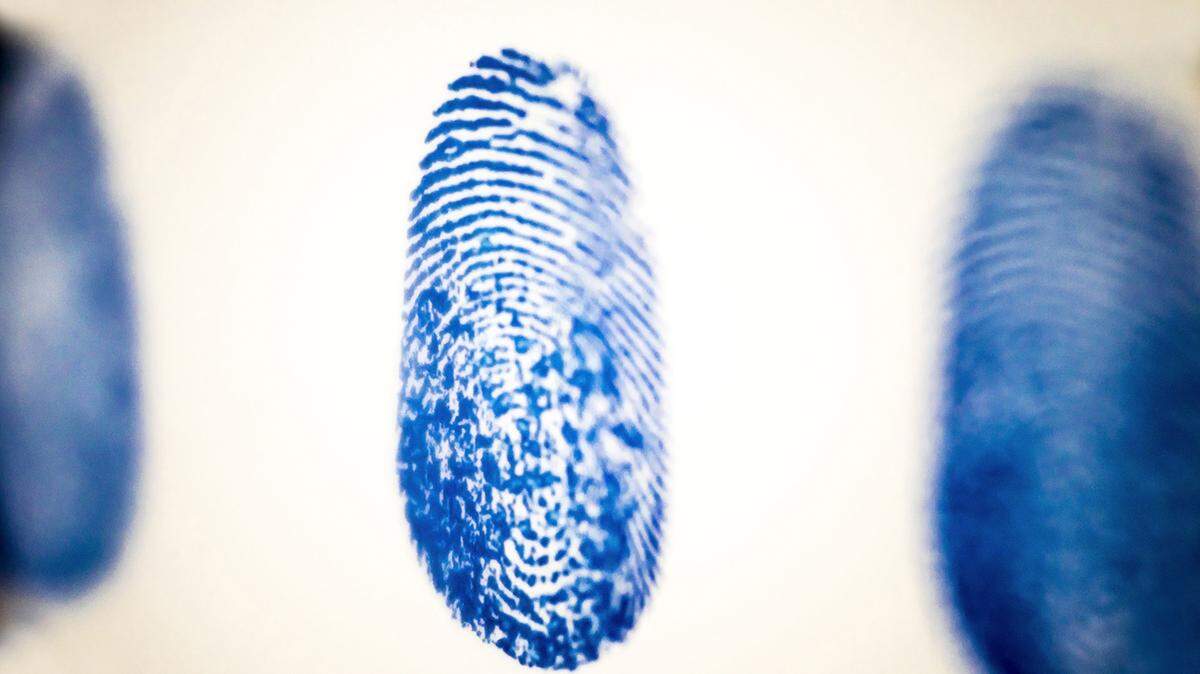
- Teaching license applicants must submit fingerprints for state review.
- Applicants may bear background check costs; private schools remain exempt.
Calling it a matter of school safety, state lawmakers could require criminal history checks for anyone who wants to teach or work in a North Carolina public school.
Currently, school districts have the option to require job applicants to undergo a criminal records check. But the state House K-12 Education Committee backed a bill on Tuesday that would make the criminal checks mandatory as well as add a requirement that the State Board of Education conduct a criminal check for anyone applying for a new teaching license.
People who refuse to submit to the checks under House Bill 775 would be denied a job and a teaching license.
“When someone slips through the cracks, it honestly gives our school systems a black eye, and we want to protect all our students, protect all our staff, both certified and classified personnel,” said Rep. Brian Biggs, a Randolph County Republican.
Democratic lawmakers said they understand the reasons for the bill but raised concerns that it would be a burden on job applicants and schools.
“We’re requiring additional staff, money, processing time, all these things, without giving our districts or DPI (state Department of Public Instruction) any additional funding to do this,” said Rep. Julie von Haefen, a Wake County Democrat. “And it’s a big lift for them.”
The bill will go next to the House Judiciary Committee.
State faulted for weak background check system
Few North Carolina school districts fingerprint their K-12 school employees because it’s not required by state or federal law, The News & Observer previously reported.
School districts have said their current system, which relies on using district staff and outside vendors to run background checks, is effective at screening out bad job applicants.
But the background checks have failed in some highly publicized cases. Biggs said it’s those cases that cause some parents to say that’s why they don’t enroll their children in public schools.
North Carolina made national headlines in 2016 when USA Today gave the state an F grade for screening people applying to become teachers. USA Today quoted a state task force report that said, “many other states require fingerprint background checks before issuing a license.” It recommended that North Carolina follow suit.
Multiple bills have been filed but not passed over the years to increase the background check requirements for school employees.
Pass a background check for a teaching license
Under the bill, the State Board of Education would require people applying for a teaching license to undergo a criminal records check. This would include submitting their fingerprints to be checked on state and national databases.
The state board would use the records check to determine whether to issue a teaching license. A license could be denied if the board feels the would-be teacher:
▪ Poses a threat to the physical safety of students or personnel,
▪ Has demonstrated that he or she does not have the integrity or honesty to fulfill his or her duties as a professional educator
▪ Otherwise fails to meet the standards and criteria adopted by the State Board concerning ethics and moral character for professional educators.
The bill would also require public schools to do criminal checks of job applicants with a consumer reporting agency or the State Bureau of Investigation, or both.
Another section would require criminal background checks of the initial members of a charter school’s board of directors.
Who should pay for background checks?
One of the points of contention is who should pay for the background checks.
The North Carolina Association of Educators has in the past said it’s not against requiring the checks. But it is opposed to making people pay for it out of their own pockets.
Under the legislation, people who are required to undergo a criminal records check would be charged for the cost. It would be up to the current or prospective employer whether to pay for them.
“Basically, a teacher that’s applying for licensure through the state, this is placing an additional financial burden on them, because now they have to pay for a background check,” von Haefen said.
But Biggs said the fingerprint background check might only cost a person up to $38.
“Most folks, when they go get a job, $38 is gonna be a small price to pay to make sure we have safety and security in our schools,” Biggs said.
Private schools not included in bill
Ahead of the committee meeting, Public Schools First NC had urged people to lobby lawmakers to amend the bill to require private schools to do background checks on all their employees.
“The state has spent nearly half a billion taxpayer dollars on private school tuition this year alone,” Public Schools First said in its alert. “North Carolinians have the right to expect that the state is putting regulations in place to keep our children safe.”
The state eliminated income limits for families to get private school vouchers. As a result, around 80,000 students are getting Opportunity Scholarships this school year.
“We want all kids to be safe, even our kids that go to private school,” von Haefen said. “And I just have to say this, that, of course, with all the taxpayer-funded money that’s going to our private schools, I wish that this bill included private schools.”