NC Gov. Josh Stein signs slew of bills, including overhaul of foster care system
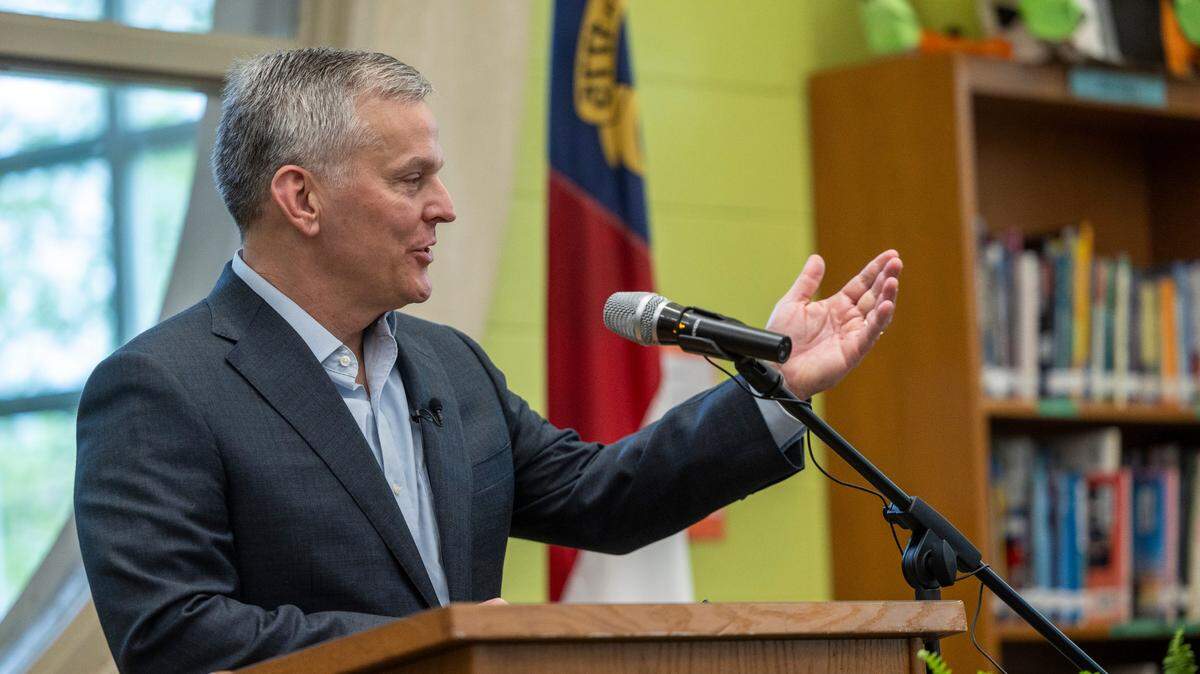
As lawmakers were finishing business on Thursday, sending Gov. Josh Stein a final raft of bills before leaving Raleigh for a summer break, the governor signed 10 bills that had been on his desk into law.
The bills included measures that allow discounted tuition within the UNC System for students that receive military tuition assistance or are enrolled in employer-sponsored financial support programs; prohibit discrimination based on political affiliations or speech in disaster recovery assistance by the government; and make improvements to the administration of adult protective services by counties for older and disabled North Carolinians.
But most notable was a sweeping bill seeking to make improvements to the state’s foster care system that, after being drafted and worked on for more than a year, advanced through the General Assembly with unanimous support.
Good morning and welcome to our Sunday Under the Dome newsletter, which focuses on the governor. I’m Avi Bajpai, filling in today for Dawn Vaughan.
Even as GOP lawmakers have sent Stein some bills that he has vetoed, setting up potential override showdowns, the governor has convened lawmakers from both parties to celebrate the bipartisan bills he has decided to sign into law.
Thursday was no different, as House and Senate lawmakers from both parties gathered at the Executive Mansion ahead of the last day of sessions for a bill-signing ceremony.
When Rep. Allen Chesser, a Nash County Republican, introduced the Fostering Care in NC Act in March, he said at a press conference that the 32-page bill had been vetted and tweaked over roughly 16 months.
“It is something that a lot of blood, sweat, tears, and I’ll just say love, has been poured into,” he said.
Stein signed the bill into law with Chesser and other sponsors and supporters, including Senate Minority Leader Sydney Batch, Sen. Steve Jarvis, and Rep. Vernetta Alston standing behind him.
In a statement, Stein said he was grateful the bill received unanimous approval in both chambers. He said the changes the bill makes to the operation and oversight of the foster care system would protect the state’s “most vulnerable children” from abuse and neglect, help those receiving mental health treatment, and ensure that more foster kids stay with family members.
What’s in the foster care bill?
The bill, consisting of four parts, includes provisions that make changes to child welfare and adoption laws, expands eligibility to the guardianship assistance program to children 10 years of age, and revises laws in place right now that deal with permanent no-contact orders and felony child abuse.
Another section of the bill requires criminal history record checks for applicants to jobs in local and municipal government that involve working with children, and makes job offers contingent on receipt of the record checks.
In a news release, Chesser’s office said the bill doesn’t seek to “punish or target ‘bad parents’ but instead to prioritize creating clear, effective procedures that achieve permanency for children — whether through reunification with families when feasible or other stable outcomes — reflecting a child-centered focus.”
The bill also enables more oversight of the state’s 100 county Department of Social Services offices.
“Today is the culmination of months of work on a long-recognized needed change to our state’s foster care system,” Chesser said in a statement “We are turning the direction of foster care and are putting the children in foster care first.”
Stein has signed 22 bills so far
The other six bills Stein signed into law dealt with recommendations by the General Statutes Commission, the marking of underground utilities and equipment, and the extension of car dealer licenses and plates, among other issues.
As of Friday, Stein had signed 22 bills into law. He currently has more than two dozen sitting on his desk, waiting for him to take action.
Meanwhile, he’s vetoed four bills that include measures that would expand requirements for state and local law enforcement to cooperate with U.S. Immigration and Customs Enforcement, and allow concealed carry of handguns in the state without a permit.
Republican lawmakers have vowed to override those vetoes but weren’t able to take any votes to begin that process this past week due to absences in both chambers.
House and Senate Republicans were able to reach a last-minute agreement on a fifth round of Hurricane Helene relief, and sent that measure to Stein. He signed the bill into law Friday at the reopening of Chimney Rock State Park in Western North Carolina. (The other two bills he signed Friday concerned the Department of Health and Human Services and the Department of Labor, while vetoing a bill that would require legislative oversight of regulations that have “substantial economic impact.”)
But legislators left town on Thursday remaining far apart in budget negotiations.
Stein addressed the “budget impasse” in a statement Thursday evening.
“The Senate and the House failed to come together to meet the needs of North Carolinians before the start of the new budget year,” he said in the statement. “While I am gratified that the legislature took action to get more Helene funding out the door, we face many other urgent challenges across the state that need to be addressed through a fiscally responsible, full budget.
“Our teachers, law enforcement, and other state employees deserve real pay raises so we can recruit and retain the best,” he said. “In addition, at a time when the federal government is proposing severe cuts to Medicaid, leaving Raleigh without taking steps to fully fund North Carolina’s Medicaid program is irresponsible.”
He added: “I stand ready to work with the General Assembly to invest in our people and expand opportunities so every person can succeed.”
Thanks for reading today’s newsletter. Not a newsletter subscriber? Sign up on our website to receive Under the Dome in your inbox daily. Be sure to listen to our Under the Dome podcast, which posts every Tuesday.