Children make up most NC pool drownings. Is enough done to save lives?
AI-generated summary reviewed by our newsroom.
- Children make up two-thirds of NC pool drownings from 2020 to 2024.
- Some cite oversight gaps with enforcing pool safety regulations.
- Despite regulations, experts urge vigilance with kids near water.
Pristine beaches, pools and many other swimming spots give relief to intense summer heat in North Carolina. But hundreds of lives have been lost to drownings over the last five years.
Who’s most at risk? And what’s done to prevent these deaths?
Experts point to children as especially vulnerable. And some say it’s hard to tell whether state and local pool safety regulations are being followed across North Carolina.
Almost 700 people died from accidental drownings from 2020 to 2024 in North Carolina. Of them, children 17 and younger account for one in five of those deaths, according to data reviewed by The News & Observer.
About half of the deaths occurred in natural bodies of water such as lakes, rivers, ponds and the ocean. Among those in swimming pools, children account for two-thirds of the deaths.
Forest Horne, an attorney with the Raleigh-based law firm Martin & Jones PLLC who has helped families sue after child drowning cases, says it’s a “major health epidemic.”
Pools are the most regulated swimming destinations in North Carolina. Laws intended to protect people are enforced by a number of agencies, including county health departments, and law enforcement.
But there’s evidence of gaps. And what is likely most protective, experts say, is people being vigilant when near any swimming water.
“It’s important for parents of young children to number one be educated on the dangers, and how it takes such a short time for a drowning to occur,” Horne said.
Pool safety oversight
North Carolina’s building code includes requirements for both private and public swimming pools. That includes requiring public and private swimming pools to have fencing with locking gates so that people — especially children — can’t wander in.
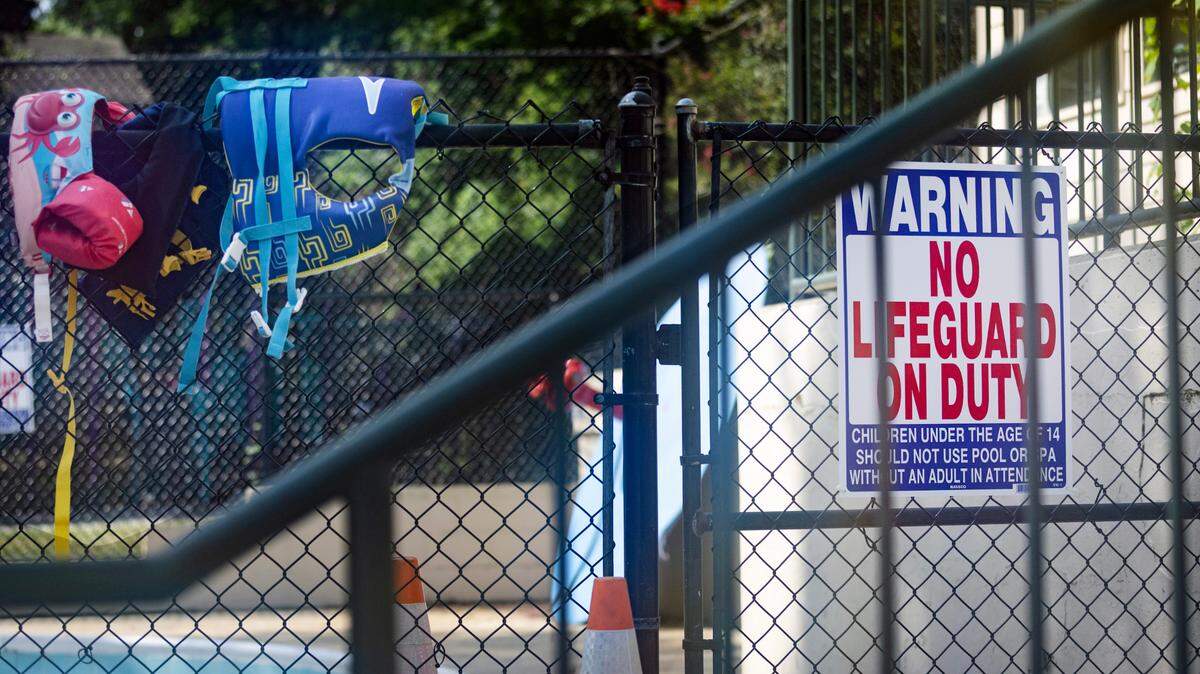
It also requires that pool construction plans are in compliance with state and local laws and that the pools are inspected and have permits before they can operate. Signage urging supervision of young children — and warning against adults swimming alone — is required for pools that don’t have lifeguards on duty.
Counties across the state are responsible for enforcing those rules.
In Wake County, which has over 1,400 public swimming pools, enforcement of the state’s regulations falls to the county’s Environmental Health and Safety Division. A recent WRAL investigation into Wake County’s expired pool permits revealed regulators were delinquent on some inspections.
County officials told The News & Observer that they’ve taken steps to bring the four year-round pools cited in the WRAL report into compliance with local regulations.
“The small number of pools that were found to be operating without a valid permit were an oversight,” Arevik Badalyan Drewek, a Wake County communications consultant, said in a written statement. “These situations are the exception, not the norm, and do not reflect the broader effectiveness of our inspection and permitting process.”
There are various reasons why year-round pools might show up as having an expired permit in the county’s data, Drewek said. That includes pools that may have closed, are waiting for or request an inspection — or the permit is expired and county officials are “actively following up.”
Criminal charges can follow a drowning death, but only if investigators can prove negligence or other criminal wrongdoing.
Dominique Lewis was charged last year with manslaughter and child negligence after a six-year-old girl drowned in an apartment complex swimming pool, in Eastern North Carolina.
Surveillance footage caught the girl jumping into the shallow end of the pool and struggling to swim to the surface, according to an Onslow County Sheriff’s Office press release from last year.
“The investigation determined that Dominique Lewis was present at the pool area but was preoccupied and not supervising the child,” the release said.
Lewis’ case is still pending as of earlier this year. The next hearing is scheduled for Dec. 19, according to the Onslow County Court clerk’s office.
‘Hard to answer’
Horne, the Raleigh attorney, says it’s hard to know which safety regulations are being followed across the state at so many different locations, including residential pools, public pools, private club pools and pools in communities, such as apartment complexes.
“Safety rules and regulations for each can vary, and whether those pools generally are kept in compliance with safety regulations is not a statistic I can direct you to,” Horne said.
But he knows from experience that not all pool owners follow the rules.
In a case he litigated where a young child drowned in a vacation rental home in Emerald Isle last year, his firm found the pool gates and safety latches “were not up to code and safe.”
Bringing lawsuits can pressure pool owners to make sure they are following the rules, Horne said. The Emerald Isle lawsuit prompted the vacation rental company to check on “100 plus homes they rented with pools,” which revealed many that were not in compliance, he said.
Are changes coming?
There have been recent pushes to change rules to try to prevent drownings in pools and elsewhere.
In October 2022, a father drowned 10 feet off of a private dock along Lake Norman near Charlotte.
“There were folks around, but no one was able to save the father,” Rep. Beth Helfrich, a Democrat representing parts of Mecklenburg County, told The News & Observer.
One of those witnesses was Cade Redmond, who was 13-years-old at the time, Helfrich said. He started the “Float it Forward” campaign after the incident, aimed at getting his neighbors along Lake Norman to install life rings at their private docs.
But Redmond felt there could be more done to prevent these types of drownings, Helfrich said. He asked then-Rep. John Bradford to craft legislation to address the issue.
That bill didn’t go anywhere.
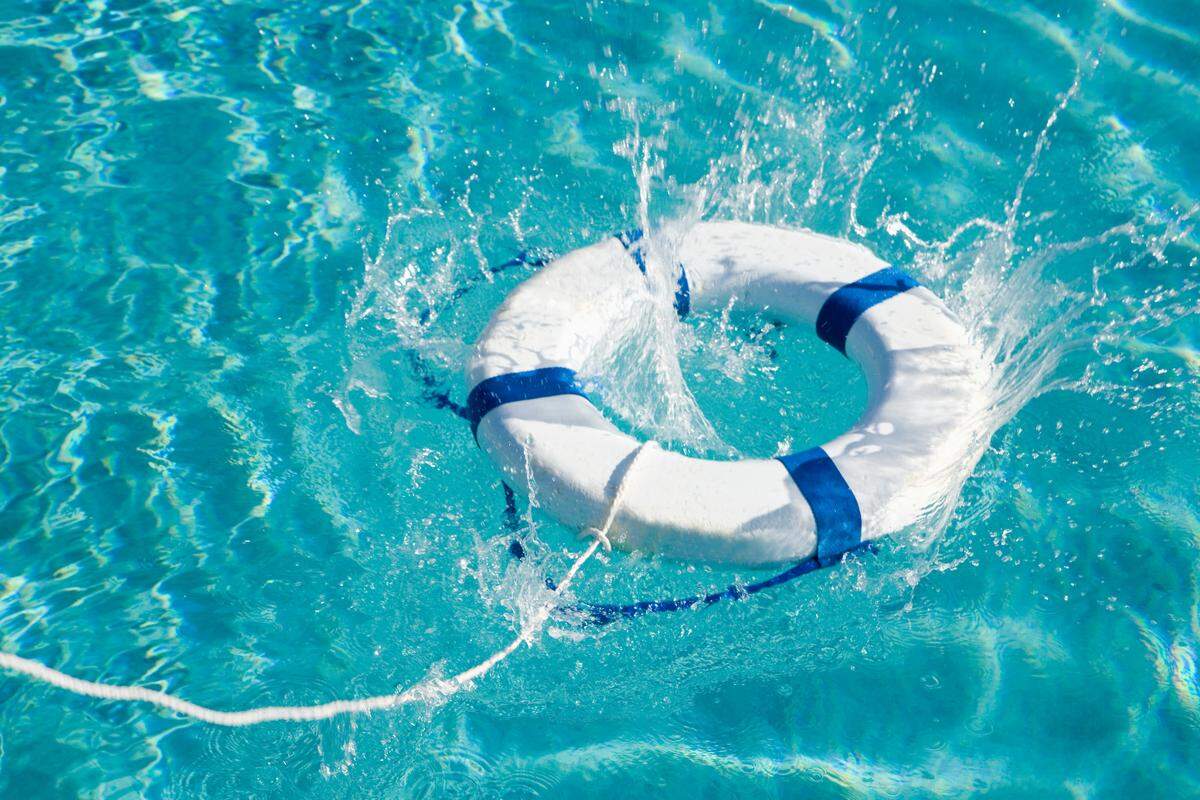
That’s why Helfrich in April introduced House Bill 845, which is identical to her predecessor’s. It would require owners and operators of a “covered water facility” — like a pier or access point that opens up to public water — to install ring buoys and public rescue equipment.
The bill asks for $25,000 in “nonrecurring” funds for the Wildlife Resources Commission to comply with the legislation. Helfrich said it’s just the starting point to get dock owners up to compliance.
It would likely cost more over time to make sure that every public dock and pier is in compliance, she said.
But like its predecessor, the bill seems to be stalled in the General Assembly. She credits budget concerns, her political affiliation and a general opposition to statewide regulations.
Gonzalez, the Wake County public information officer, told The News & Observer that pool safety is a “shared responsibility” between pool operators, swimmers and counties.
Horne said he thinks vacation rentals with pools should come with some type of safety information that notes the high risk of drowning deaths among children.
Drownings can happen in just a few minutes, so regardless of regulations, parents — especially of young children — must stay vigilant, he said.
“I don’t think there’s an appreciation among parents of that happening,” Horne said. “That’s why you have safety rules around pools… you can lose track of a child very easily.”