
‘Good Trouble’ protests in Triangle focus on voting rights. Here’s what to know.
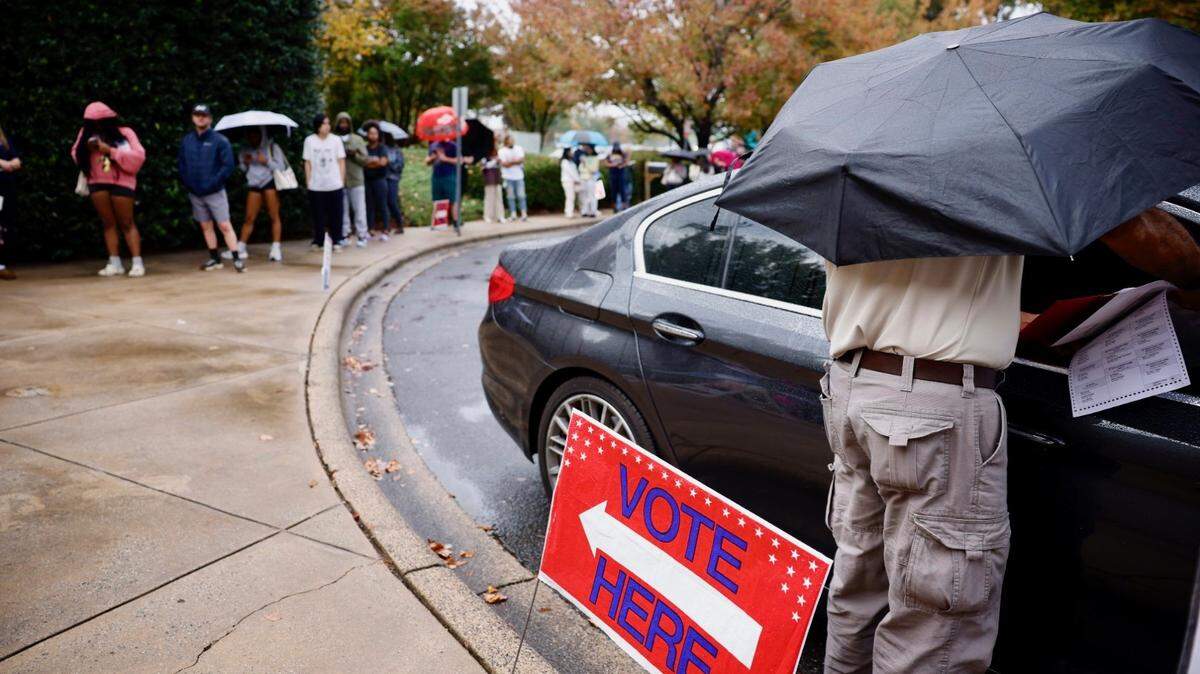
The North Carolina Democratic Party will host a rally in Downtown Raleigh Thursday to protest a bill that could result in several election changes.
Voting rights advocates and elected officials will speak at the “Good Trouble Rally and Protest” on Halifax Mall at 5:30 p.m. Protesters will then march to the State Capitol at 6:30 p.m.
It’s one of hundreds of “Good Trouble Lives On” protests scheduled around the country to coincide with the fifth anniversary of former Georgia Rep. John Lewis’ death. Lewis was a Civil Rights activist who encouraged getting into “good trouble” to make change when he first rose to prominence for leading sit-ins in Nashville, Tenn.
Other Triangle protests are scheduled for Durham, Chapel Hill and Cary Thursday evening, according to a website tracking national demonstrations.
House Bill 958, as it is amended, would allow the director of the State Board of Elections to appoint a third of agency staffers, The News & Observer previously reported. Democrats argue it could lead to a purge at the agency and hiring based on politics..
“This bill strikes at the heart of free and fair elections,” the Wake County Democratic Party wrote in its event listing for the rally. It replaces trusted, experienced professionals with partisan operatives hand-picked to control how our elections are run.
The bill would also bar state and county elections board members from encouraging people to vote, ban ranked choice voting statewide and require military and overseas voters to provide a photo ID to vote.
Lewis led the Selma to Montgomery marches in 1965, where protesters demanded the right for Black citizens to vote. The marches — and the violent police response that became known as Bloody Sunday — partly contributed to the passing of the Voting Rights Act.
This story was originally published July 17, 2025 at 5:45 AM.
.jpg)