Who are the 100,000 NC voters with incomplete registrations? What our analysis shows
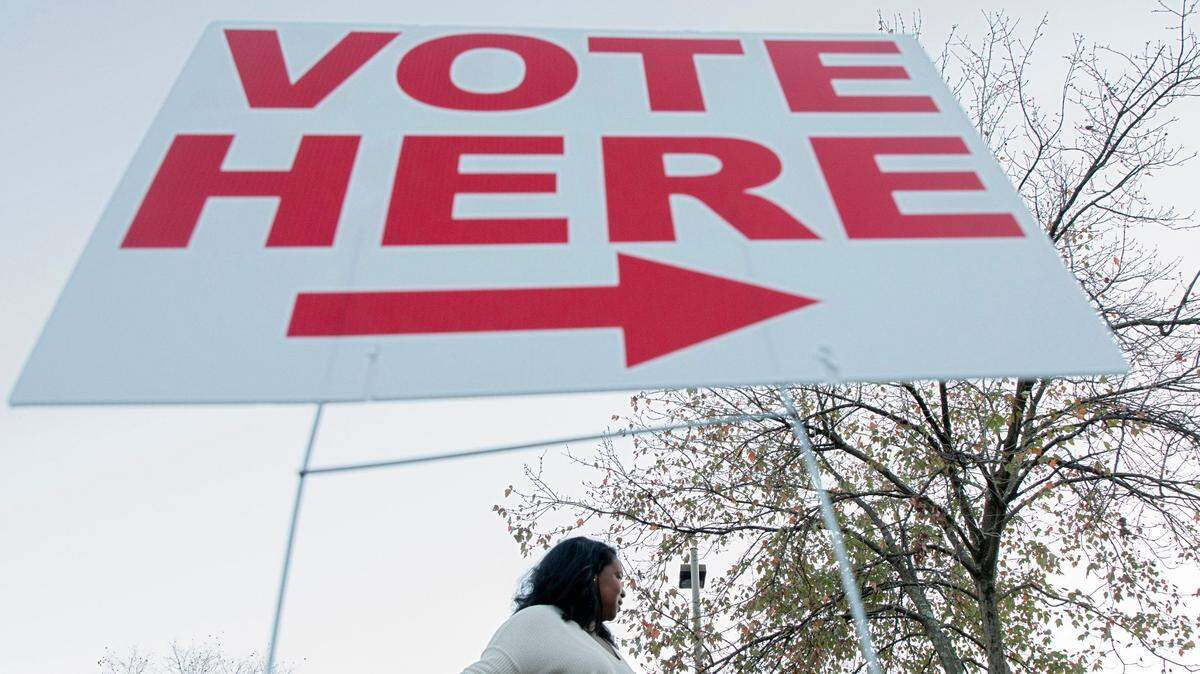
Over 100,000 North Carolina voters must provide updated registration information before the next election or risk barriers to making their ballots count.
Following a flurry of legal challenges — including Jefferson Griffin’s failed attempt to overturn his loss in the 2024 state Supreme Court election — the bipartisan State Board of Elections unanimously approved a multi-step plan to collect driver’s license numbers or the last four digits of a Social Security number from voters who lack the information in the state’s database.
Those who don’t comply with the request by the next election will have to cast a provisional ballot, which can be thrown out if the the voter doesn’t provide the identifying information in time.
To better understand who is affected by the plan, The News & Observer analyzed the demographics of the 103,270 voters who were included on the state’s list. That analysis found an outsize impact on young voters and those unaffiliated with any political party.
Here’s a look at our findings:
Younger voters more likely to have incomplete registrations
Unaffiliated voters make up majority of those affected
Unaffiliated voters account for over 60% of all voters with incomplete registrations — despite making up only about 38% of the state’s electorate.
Registered Republicans and Democrats, however, appear at notably lower rates than they do in the statewide voting population.
In North Carolina, voters can choose to register as unaffiliated, but they will also be recorded as such if they leave the party designation blank on their registration forms.
Voters with race listed as undesignated
The majority of the voters affected by the incomplete registrations have their race recorded as “undesignated.”
Research from North Carolina political scientists Chris Cooper and Michael Bitzer has found that young voters are increasingly likely to leave optional demographic questions blank on voter registration forms. This results in more voters with undesignated race, ethnicity and gender in the state’s databases.
Voters identified as white or Black show up in the list of affected voters at nearly equal rates, though not in proportion to the statewide voting population.
Despite making up roughly 64% of the electorate, white voters only made up about 18% of the affected voters.
Black voters, on the other hand, account for about 19% of the state’s electorate and 18% of the affected voters.
Voters from all of NC’s 100 counties are affected
Voters from all of North Carolina’s 100 counties appear in the list of those with incomplete registrations.
While large counties like Wake and Mecklenburg account for the largest numbers of issues, it is smaller counties like Lenoir and Anson that have higher rates of incidences, when accounting for population.
How do I find out if I’m on the list?
The State Board of Elections has launched a Registration Repair website to answer questions about the plan.
Included in the website is a searchable database of voters whom the board says have never provided the required information. That database can be found at dl.ncsbe.gov/RegistrationRepair/index.html.
The site will be updated daily as voters begin to complete their registrations.
Database editor David Raynor contributed to this report.