
After careers spent serving NC, retirees face stagnant pensions amid inflation
AI-generated summary reviewed by our newsroom.
- State budget delays stall COLA discussions for 300,000 retired public workers.
- Many retirees supplement pensions through part-time work or alternate income.
- Lawmakers favor one-time bonuses over recurring increases to protect solvency.
North Carolina’s thousands of state employees and public school educators build roads, teach the next generation and try to keep people safe. And after decades on the job, most look forward to some sort of return on their investment in public service.
But as the years go on, there’s less of it.
The state budget is — again — very late, three months past the July 1 start of the new fiscal year. Among the funding being held up as Republican leaders of the House and Senate sort out their differences: any changes in retirement payments for about 252,000 people who spent their careers working for the government and get state employees’ and teachers’ pensions.
Will retired state employees and teachers get a bonus this year?
A comprehensive state budget being passed before 2026 is becoming less likely, and North Carolina’s state retirees aren’t holding their collective breath for a raise.
It continues a pattern of uncertainty, with retirees looking to alternatives to supplement the pension income they have received since they retired.
Some have gone back to work. Others had a second job, like the military, that also brings in retirement income. There are also their Social Security payments. And many have learned to live with the fact that the state won’t necessarily give them a cost-of-living adjustment, despite inflation.
In the early 2000s, state budgets routinely provided a recurring cost-of-living increase that became part of a retiree’s ongoing pension payment, so that the payments grew each year. But recent state budgets have provided a one-time COLA supplement for retirees. Some years, there is no bonus at all. The change is part of what some retirees see as the new status quo.
Jamie Robinson, 68, started working for the government in 1983, when he got a job as a corrections officer in an Alexander County prison. The Taylorsville retiree went on to a career at the Department of Transportation, retiring in 2015 as a supervisor.
He chose state government because at the time, benefits were better in the public sector than the private sector.
“Once I got there, I just loved what I’d done, working for the state. I wasn’t getting rich, but I loved what I’d done,” Robinson said.
Margaret Reader spent her entire career working in human resources for a variety of state agencies, eventually retiring as human resources director for Secretary of State Elaine Marshall.
Reader said because of her experience in HR, she pays close attention to the state budget every year, especially when it is late. A late budget means more work once a deal is finally reached.
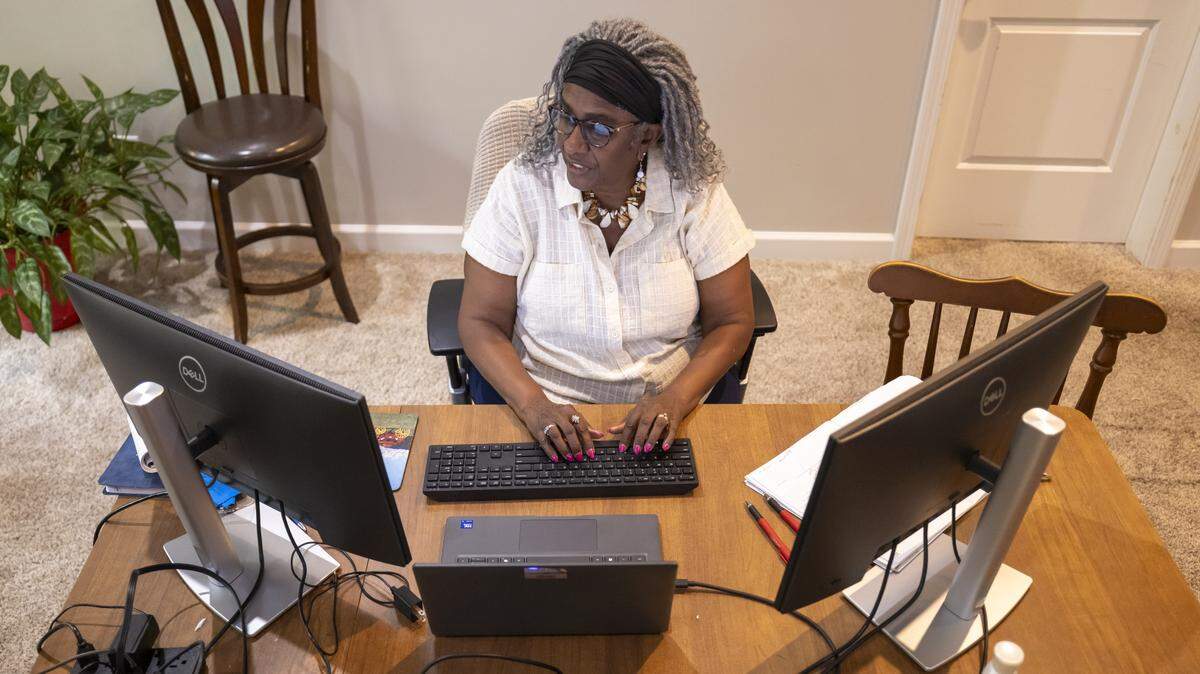
Reader herself, knowing that money from the legislature isn’t guaranteed, went back to work part-time at the Department of Health and Human Services so she could pay for extras.
How retirement pay is calculated
Employees pay 6% currently, deducted from their paychecks, toward their pensions. Their contributions are invested by the state and, per the constitution, only allowed to be used for the retirement system.
Pension amounts are calculated based on multiple factors, including retirement age and years of service.
The benefits can increase beyond those amounts based on a certain amount of investment gains or an employer adding contributions.
The additional contributions can come from the legislature, but that’s not guaranteed.
Reader, who serves on the retirement system board of trustees, told The News & Observer that the retirees haven’t gotten returns from investment gains in years, so “when there is extra money that the General Assembly could grant us more than a bonus, I would like that.”
There are about 300,000 people in the Teachers’ and State Employees’ Retirement System.
Reader said that she’s talked to both Republican and Democratic legislators, and neither are optimistic about a budget passing anytime soon. And that was before House Speaker Destin Hall and Senate leader Phil Berger, both Republicans, confirmed in late September that talks are stalled.
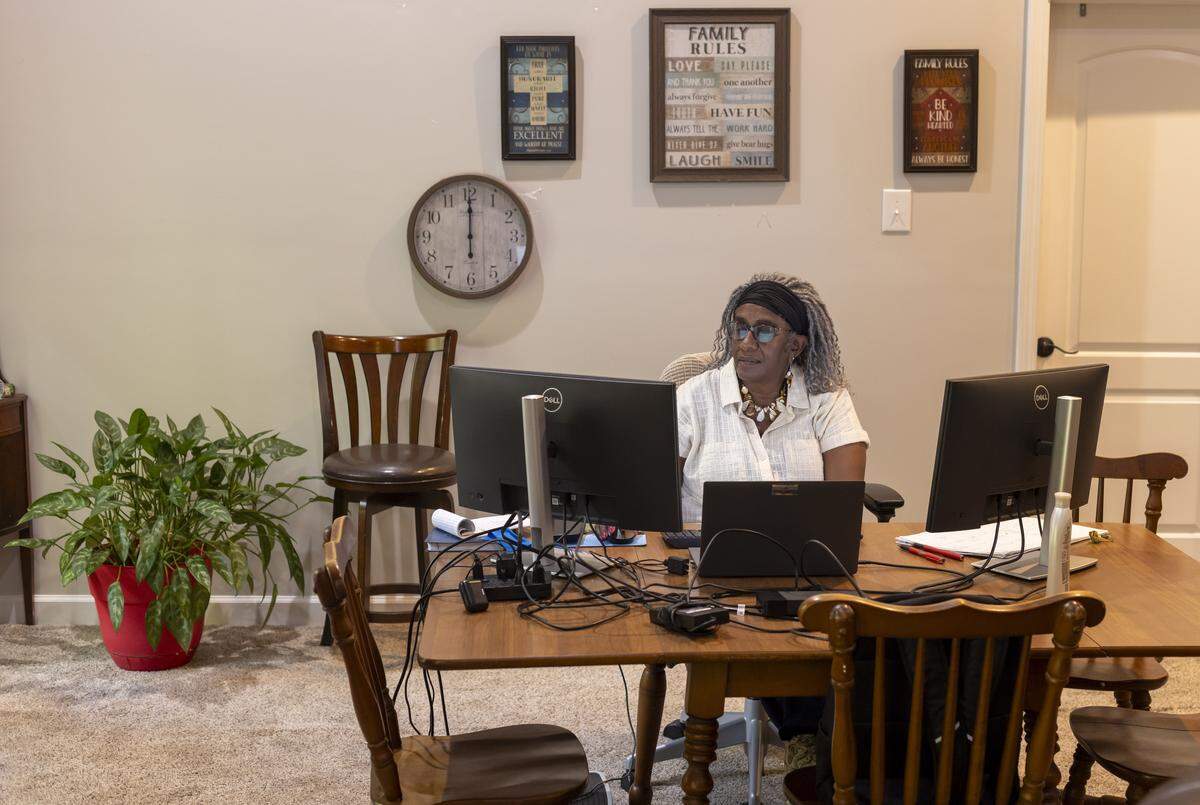
Ardis Watkins, the executive director of the State Employees Association of NC, or SEANC, said “the overall feeling is retirees have been overlooked.”
“Retirees built, provided the infrastructure that made North Carolina No. 1 in business, and yet they know they’ve been left behind and forgotten,” Watkins told The News & Observer. She said that creates a problem with retaining current state employees, who see better benefits in the private sector.
Watkins would like to see a change in how retirement benefits are calculated, to increase payments.
Briner says a COLA could come in 2027
State Treasurer Brad Briner said the state is reviewing recent returns on pension investments, which are just one of about “14 other pieces that you’d want to make sure that they’re checked before you recommended a COLA.” Other pieces include wage growth and longer life expectancies, he said.
Because the state is seeing better investment returns now than previous years, does that mean retirees could see a COLA next year?
“I wouldn’t hold out hope for a 2026 answer to that question. It’s more of a 2027 answer at this point,” Briner told The N&O in September.
He said the General Assembly can still “do whatever they want” about adding a bonus in the upcoming budget.
Changes in retirement COLAs and where the NCGA comes in
Jim Causby spent much of his career in Swain County, then served until 2003 as superintendent of Johnston County Schools. He retired to Biltmore Lake, outside Asheville.
In his first years of retirement, he received COLA raises, then nothing for a few years during the recession, and then for the past several years the one-time COLA bonuses.
“If you sit down and calculate what inflation has done since 2003, I’m not getting much more than I did those first couple of years .... It’s the same money, but it buys a whole lot less,” Causby said in an interview.

As a superintendent, Causby said that late state budgets made it “very, very difficult” to plan school system budgets. For himself and other retirees waiting on a bonus, “you just have to hope and pray that you’ll get something.”
Causby, 79, is a board member of the North Carolina Retirement Government Employees Association and said he’s very impressed with Briner looking at the issue, especially the return on investment that funds COLAs when the General Assembly doesn’t.
“And (General Assembly budget writers) don’t like to use the money that they will be using for other things, for cost of living adjustments. They have periodically, if they’ve had a decent year, they will give a bonus,” Causby said. But with a bonus, he added, that money doesn’t keep coming in.
Causby said he supports the House budget proposal because it has a 1% bonus this year and a 2% bonus next year for retirees. The Senate’s budget bill has no increases for retirees in the largest retirement system.
However, the Senate voted for a mini-budget bill on Sept. 22 with law enforcement raises that include two pension bumps: An increase to the monthly pension benefit in the North Carolina National Guard Pension Fund from $105-$210 to $108-$216; and an increase in the monthly pension payments from the North Carolina Firefighters and Rescue Squad Workers’ Pension Fund from $175 to $180 starting Jan. 1.
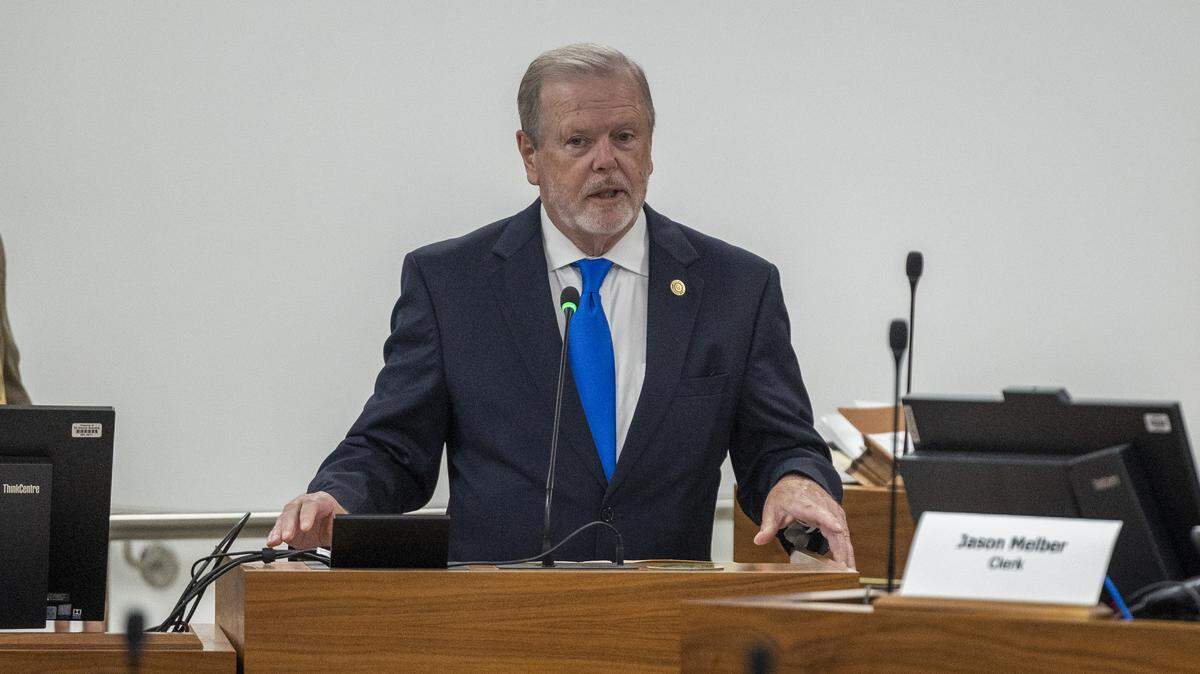
The House did not take up the Senate’s bill during its voting session Sept. 23, and Hall told reporters that raises are one of the chambers’ key differences right now.
For Berger, “one of the concerns we have always expressed about COLAs in the context of the pension plan have to do with the solvency, long term, of the pension plan. So we have generally opted to be supportive of one-time payments to folks who are retirees, because we we can handle that in one budget year.”
‘Santa Claus mentality’ and inflation
For Reader, who grew up in Pamlico County and now lives in Clayton, she sees changes in retirement benefits as negatively impacting recruiting new state employees. Younger workers can often make more money in the private sector, so working in state government becomes less appealing if the long-term benefits aren’t high, she said.
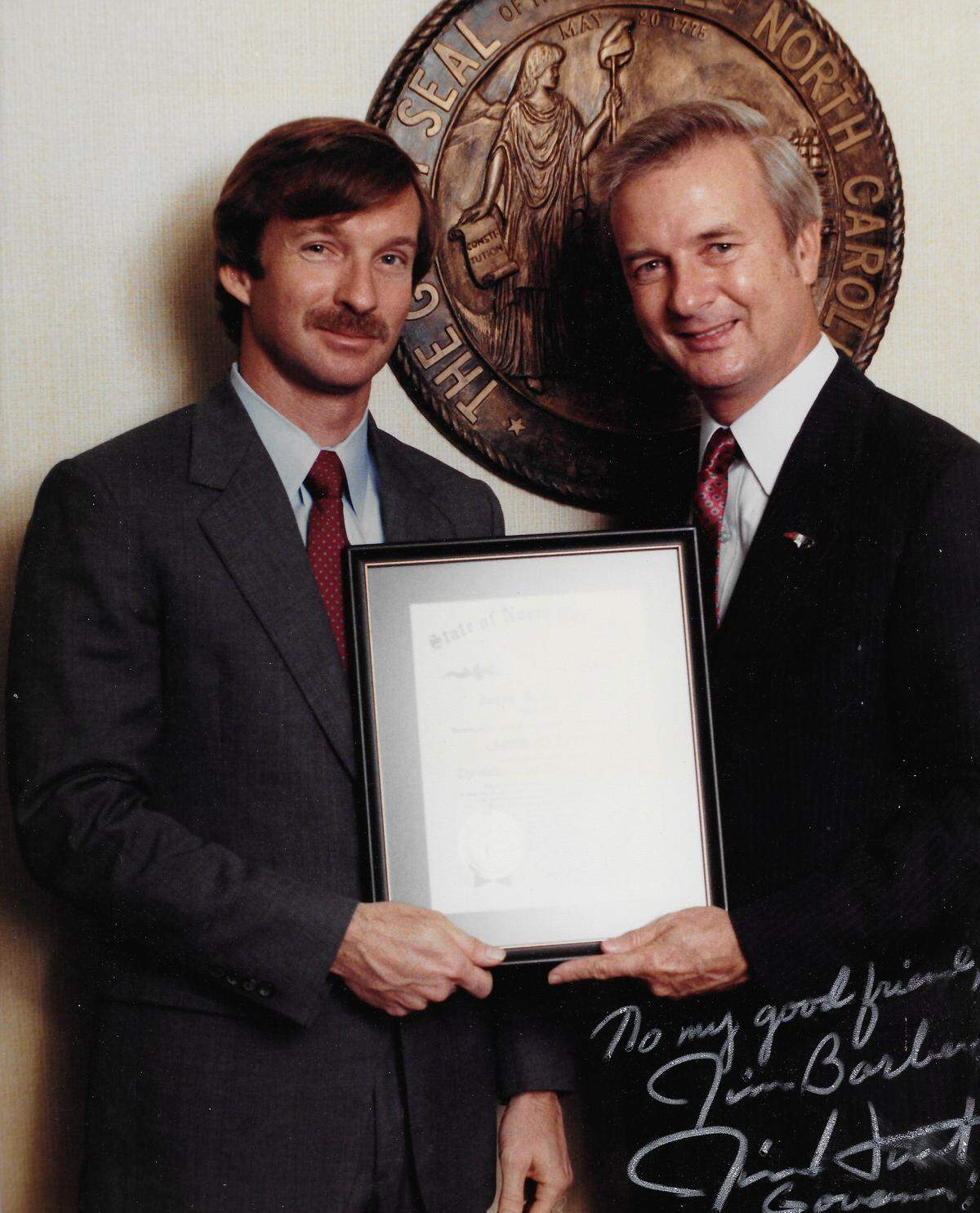
Jim Barber, also a retiree, sees the same problem.
Barber spent six years working for state government in Georgia, and another 24 years in North Carolina. Most of his career here was spent as the chief financial officer for the Department of Public Instruction or State Board of Education. He retired in 2006.
The 79-year-old who lives in Black Mountain said his buying power has been dramatically affected by inflation over the last 19 years, since he retired.
“One-time bonuses are one-time. And if you keep getting the same bonus, it doesn’t increase your salary. So I don’t know where that Santa Claus mentality comes from,” he said.
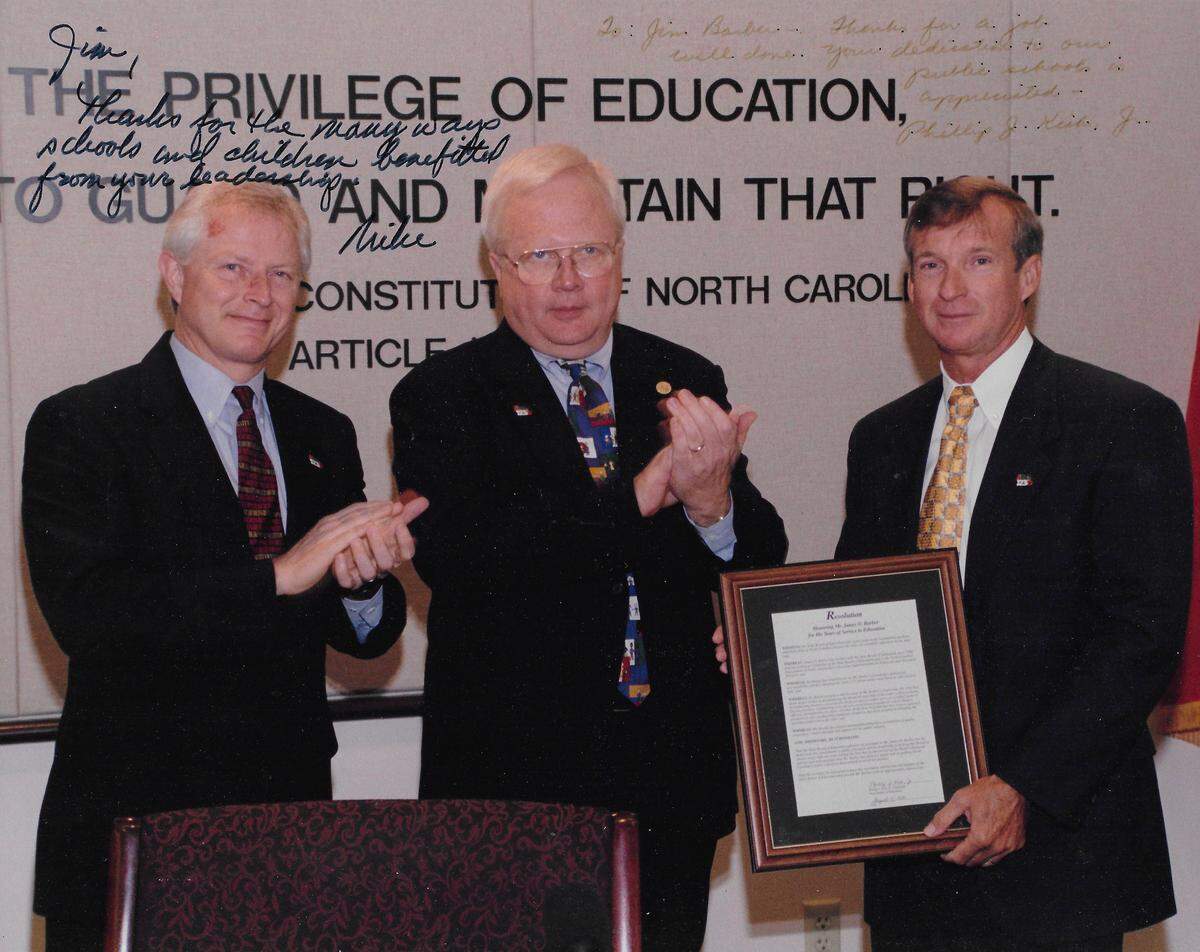
He said that it’s been a shock to people who spent their career in state government, and chose to work in public service knowing that it paid less than the private sector.
“There’s abandonment, I guess, of what you’d call a moral obligation, just because of the history of receiving the cost of living allowances,” said Barber, who serves on the RGEA board with Causby.
Like Causby, Barber praised Briner for taking a closer look at the pension system and is hopeful for the future.
Robinson, the DOT retiree, spent his entire career working for the government, including in the military. Robinson was active duty Army and then spent about 30 years with the National Guard.
He thinks about older retirees living off lower pensions, who need those COLAs to be recurring because of inflation. He’s also concerned about current state employees feeling their work isn’t respected like it was for state workers and teachers in the 1980s and 1990s.
“I enjoyed what I did, being a service to the public,” Robinson said.
What’s next
Lawmakers return to Raleigh again on Oct. 20. Barber remembers when a late budget was a big deal if it wasn’t ready by July.
“They have to deal with the reality of the current budget they have,” he said about state lawmakers. “But at the same time, there’s a long-term perspective. I’m not sure there’s a philosophy there, or value of the importance of encouraging government employment as a profession.”
Barber also pointed out that some years there will be COLAs in the budget, and other years nothing — which means benefits decrease. He likened it to the trick played on Charlie Brown so many times in the “Peanuts” comic strip.
“It’s kind of like Lucy and the football,” he said. “Sure, we’re going to give you an increase. And then we’re going to take it away.”
This story was originally published October 1, 2025 at 6:00 AM.