After Kirk murder, NC lawmakers push tougher penalties for political violence

AI-generated summary reviewed by our newsroom.
- NC Republicans introduce bill making political violence a new felony offense
- Proposal allows death penalty if political motive aggravates violent crime
- Bill responds to Charlie Kirk's murder and rising nationwide political attacks
Spurred by the recent assassination of conservative activist Charlie Kirk, North Carolina lawmakers on Tuesday advanced a bill defining political violence as a new crime with higher consequences, potentially including the death penalty.
“(If) you commit political violence in this state, you will not walk free again,” the bill’s sponsor, Republican Rep. Brenden Jones, said. “Let me be clear, this is our turning point. This is where we decide if we want to win the right to speak or surrender to fear.”
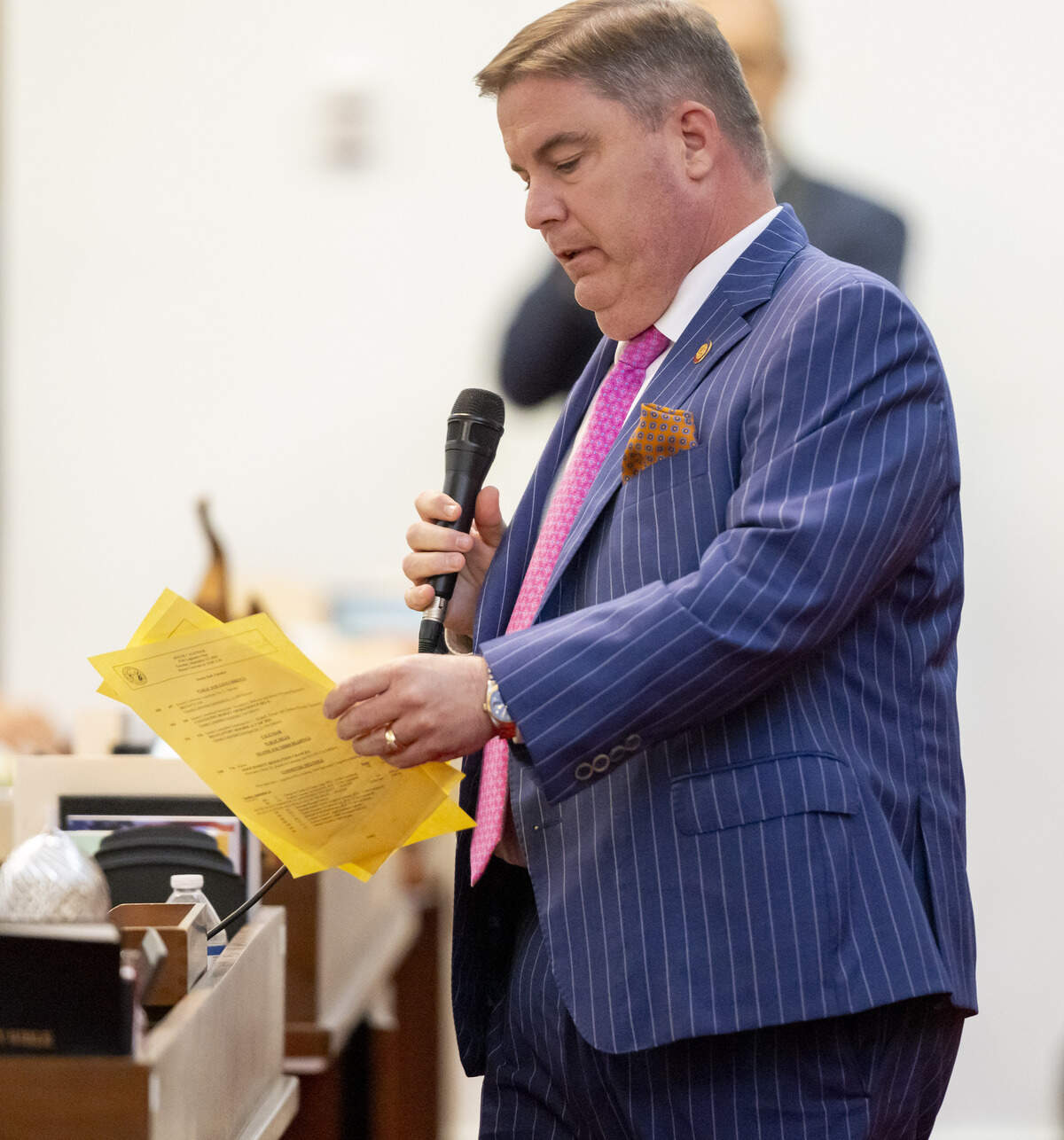
The bill passed the House 105-6, with several members of House Democrats’ progressive caucus voting against it.
The bill, Senate Bill 13 would define a “politically motivated act of violence” as a crime in which the offender targets another person because of their “perceived political beliefs, viewpoints, affiliations, party membership, advocacy, candidacy for public office, voting history, participation in lawful political demonstrations, or public expression on political issues.”
Defendants found to have engaged in political violence would be sentenced at a higher felony level and would be ineligible for parole or early release.
The bill would also allow juries to consider political violence as an aggravating circumstance when recommending the death penalty and would authorize judges to consider the death penalty even if the defendant pleads guilty.
In addition to Kirk’s murder, Jones also noted the assassination attempts on President Donald Trump and the assassination of Democratic Minnesota Rep. Melissa Hortman.
“This is definitely not about parties; it’s not about Democrats, it’s not about Republicans,” Jones said. “It’s about protecting free speech.”

Several Democrats lamented the fact that the bill did not go further by establishing protections against hate crimes, a proposal Democratic lawmakers have filed multiple times over the years, but that Republicans have never taken up.
“We should not tolerate violence of any kind,” Rep. Deb Butler, a New Hanover County Democrat, said. “But we could have talked about targeting people for their race or ethnicity. We could have talked about national origin, religion, disability, gender or sex, sexual orientation ... so I think it’s an opportunity missed.”
Butler voted in favor of the bill, but Rep. Maria Cervania, a Wake County Democrat who sponsored an unsuccessful amendment to address race and gender-motivated crimes, did not.
“We must make a clear statement from the General Assembly that we stand on the side of safety,” Cervania said. “So passing this bill, unfortunately, it would have been better with the amendment and would have made it a more substantial and a comprehensive bill.”
The bill will now head to the Senate, where it must be approved before it can head to Democratic Gov. Josh Stein’s desk. Senators do not plan to return for another voting session until next month.
This story was originally published September 23, 2025 at 11:10 AM.