State law keeps NC from DC-style shutdown, but lack of budget has consequences
AI-generated summary reviewed by our newsroom.
- State law maintains prior spending levels, preventing a North Carolina shutdown.
- Vacant positions proposed for cuts must stay unfilled under current budget rules.
- Raises, tax changes and children’s hospital funding remain stalled by lawmakers.
By now, you know the drill: Lawmakers can’t reach a deal on a government budget.
But in one case, the government shuts down. In the other, it doesn’t.
The federal government shuts down when Congress can’t reach a deal on spending, exemplifying Washington gridlock. But down here in North Carolina, where not making a deal on deadline has become the norm, state government keeps humming along and bills are being paid.
Why?
In short, because of state law, which lays out what to do if there isn’t a budget enacted into law by the new fiscal year, which started July 1.
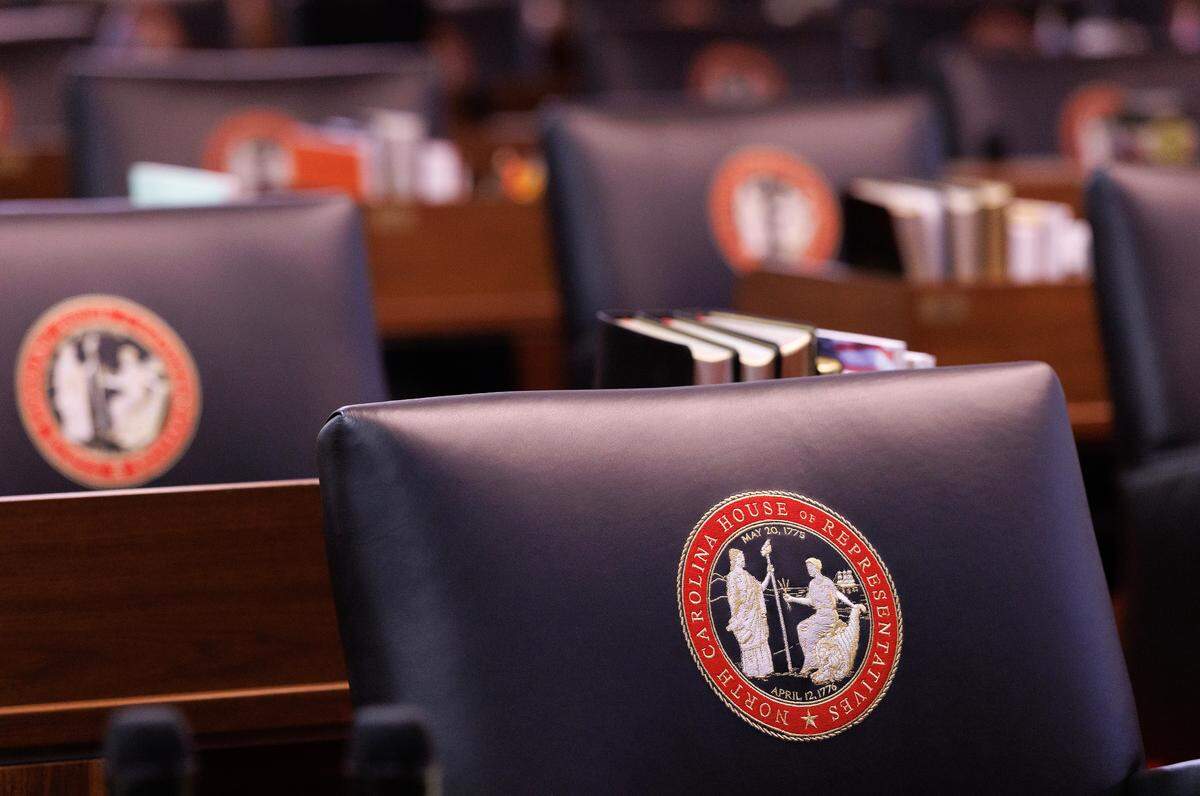
That was a new policy provision passed in the 2016 Appropriations Act, according to the UNC School of Government, and later codified in law. Before that, if there wasn’t a budget deal, the General Assembly had to quickly pass a stopgap funding bill to cover them until a deal was reached.
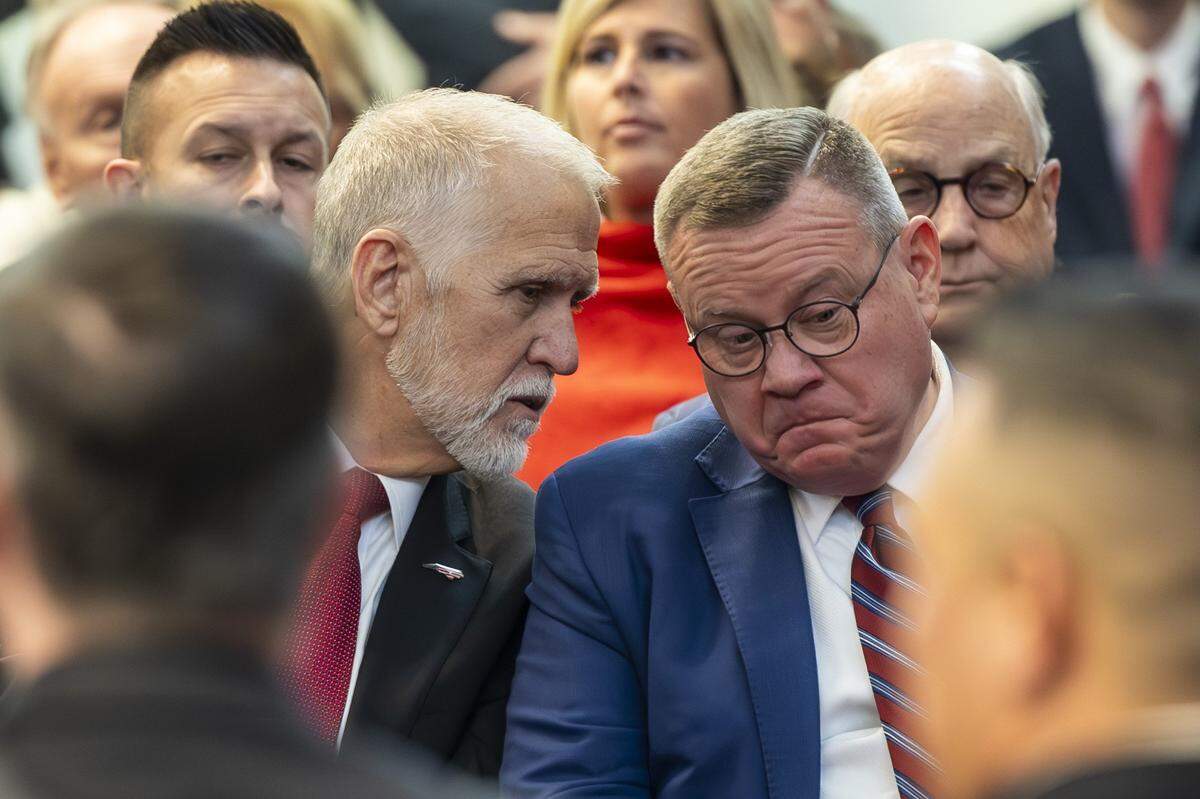
This year, yet again, the state budget is months late, and Republicans leaders of the House and Senate, which their party controls, cannot reach a deal. Instead, so far two small budget bills have passed and been signed into law by Democratic Gov. Josh Stein, to address some pertinent funding issues like school enrollment growth and authorizing step-increase raises. But all the big stuff — raises, taxes, funding for a new children’s hospital — are held up by stalled negotiations.
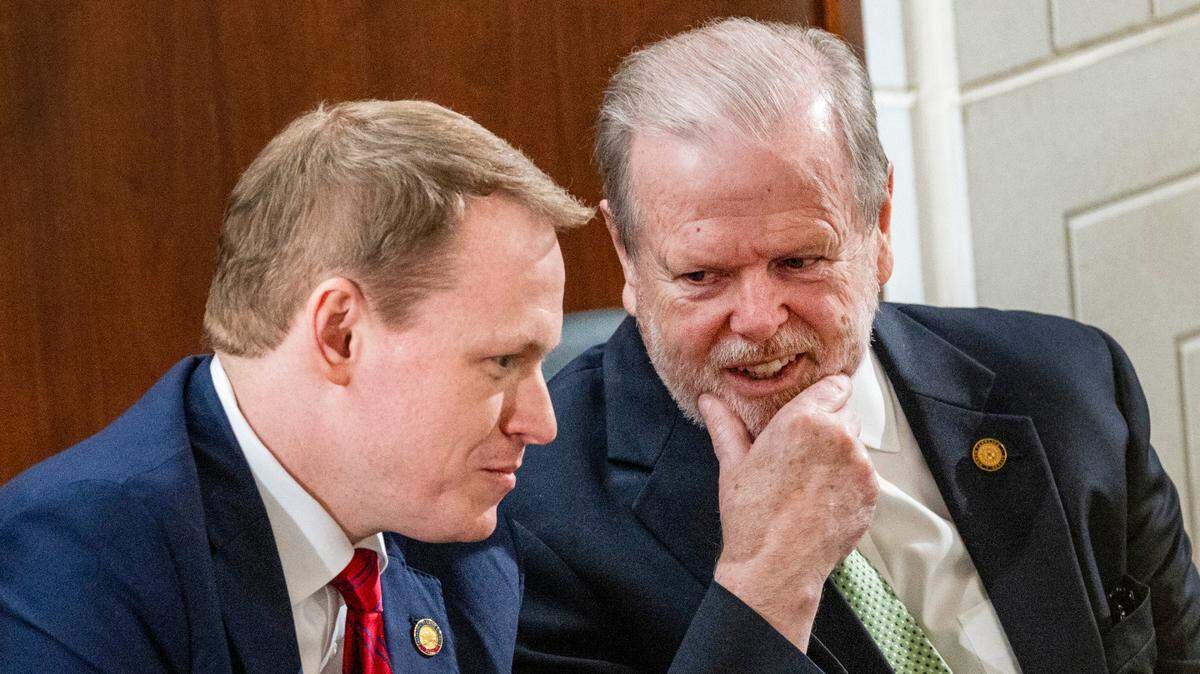
Republican Senate leader Phil Berger, when asked why there isn’t a state budget yet, likes to tell reporters that the state does have a budget. He’s referring to the law that keeps spending levels the same as the previous budget.
That doesn’t mean a late budget doesn’t have consequences.
.JPG "RAL_082225-SENATE-APPROPRIATIONS-TEL-03 (1).JPG")
Vacant state jobs can’t be filled, stagnant wages
Any jobs targeted for elimination by the competing budget proposals must remain vacant. According to the law, if the House and Senate have already passed their separate budget bills and any vacant job positions were proposed to be cut, they cannot be filled.
And this year, both the House and Senate have proposed cutting vacant jobs, with the most coming in the House budget. Under the House plan, about 3,000 jobs would be cut, most of them vacant.
The Office of State Budget and Management, which is under the Stein administration, reminded state agencies about that part of the budget law.
In a letter sent on the eve of the fiscal year from State Budget Director Kristin Walker, she told leaders of all state agencies they should “be aware that the conference report for the Appropriations Act may include reductions to non-specified vacant positions, potentially at the same level as either the House or the Senate budgets, and agencies should have a strategy to meet this potential reduction if necessary.”
The conference report is the final budget bill that both chambers send to the floor for a vote.
The job of the legislature
The General Assembly’s primary task during odd-numbered years like 2025 is to pass a two-year spending plan. They still haven’t done that work.
That means across-the-board raises are stalled, as well as any cost of living adjustments that might increase teachers and state employees’ pension benefits in a new budget.
Legislators are expected back in Raleigh on Oct. 20 for four days.
This story was originally published October 12, 2025 at 6:00 AM.